0:55 AM Velvet Disease in Fish: Copper Treatment Guide | |
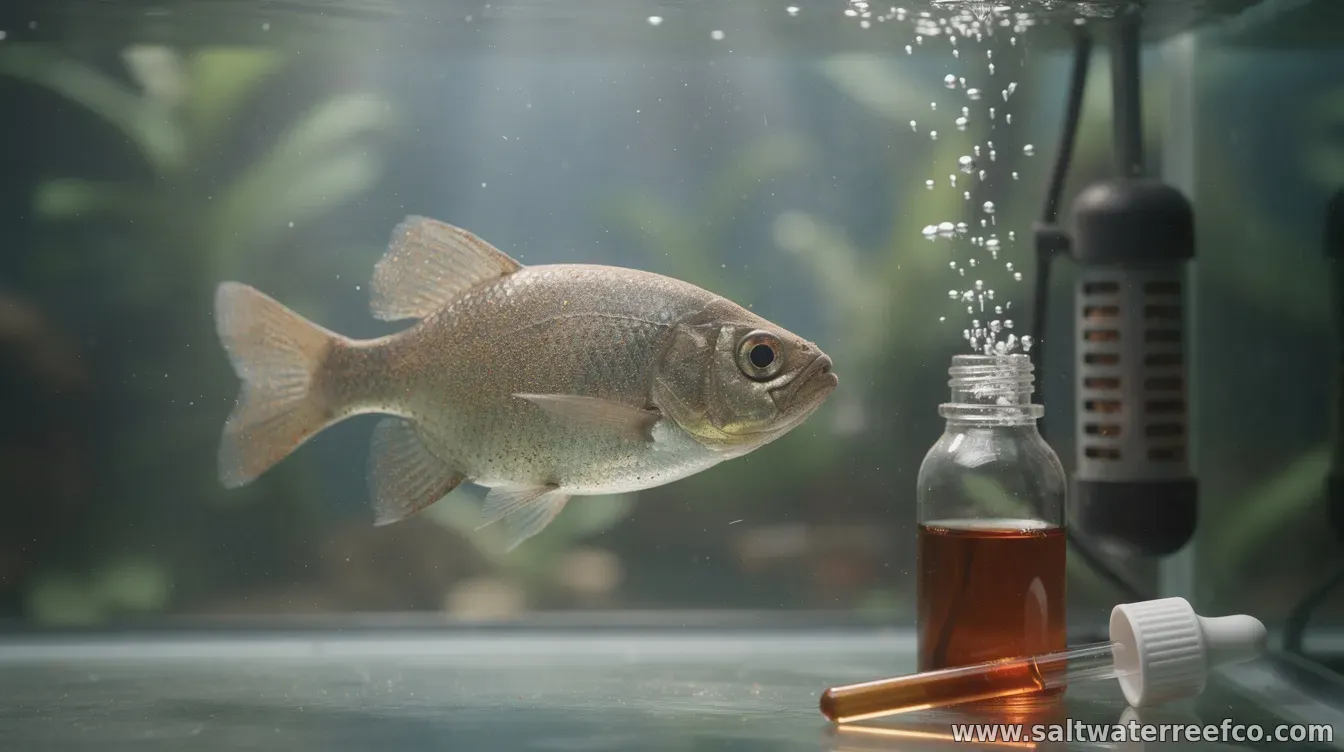
Velvet disease—commonly referred to as “gold dust”—is a fast-moving parasitic infection in freshwater and marine aquariums. If left unchecked, fish can struggle to breathe, develop a dusty coating on the body and gills, and eventually die. Because the parasite’s life cycle means missed timing can lead to relapse, treatment choices and dosing matter. Important: Copper is a medication. Using the wrong type, wrong dose, or not matching copper levels to the product’s specs can harm fish and invertebrates. Always follow the copper manufacturer’s instructions and use a reliable test kit for your specific copper form (chelated vs. ionic). What velvet disease looks likeVelvet can be harder to spot than other parasites early on. Common signs include a yellowish-brown or metallic “dust” on fins and body, clamped fins, rapid gill movement, lethargy, and flashing (scratching against surfaces). Fish may also stop feeding. In severe cases, breathing difficulty becomes the most obvious symptom. Why copper is usedCopper targets the free-swimming and attached stages of certain aquarium parasites associated with velvet. It is often used in a hospital/quarantine tank rather than the display tank because copper can be lethal to many invertebrates (snails, shrimp, crabs, corals) and can interfere with biological filtration. Before you treat: set up a hospital tankMove affected fish (and any high-risk tankmates) into a separate, bare-bottom quarantine tank. Provide aeration, gentle flow, and water conditions matching the fish’s temperature and salinity (for marine systems). Avoid carbon and chemical media during copper treatment, and consider using a sponge filter (seeded from a healthy system if possible) to maintain biological stability. If you can, stop feeding for a short period if fish are not eating well, then offer small, easy-to-digest portions after conditions stabilize. Track symptoms daily and watch for breathing improvement, clearer skin/less “dust,” and return of appetite. How to use copper safely (core dosing approach)The exact copper level and target range depend on the product and whether it’s chelated or ionic copper. The general workflow is consistent:
Use a test kit that matches your copper product. Many “copper” test kits can behave differently depending on chelation chemistry and the brand. If you switch brands or formulations, re-check compatibility and re-validate your readings using the manufacturer’s guidance. What to avoid during copper treatmentCopper treatment can fail or become dangerous if you:
When to stop copper and how to verify the tank is “safe”Do not remove fish from copper treatment early just because they look better. Velvet symptoms can improve while parasites remain in the system. When the recommended course is complete, verify copper has dropped to safe levels (again, based on the product’s guidance) before transferring fish back to a community or sensitive tank. After treatment, run water changes and consider appropriate media (such as copper-removing resins) only if they align with the medication plan and the manufacturer’s instructions. Then continue observation closely for several days for any signs of relapse. Supportive care that improves outcomesEven with medication, fish recover best when stress is minimized. Maintain stable temperature and water quality (ammonia/nitrite at zero). Provide strong aeration, keep lighting low, and reduce handling. If fish are eating, supplement with a high-quality diet; if not, focus on stable conditions and expect appetite to return as breathing and skin improve. Once velvet is controlled, the bigger prevention task is preventing reintroduction: quarantine new arrivals, avoid transferring water from other systems, and keep the display environment stable. Many aquarists also treat or observe new fish before adding them to a community tank to reduce outbreak risk. Key takeawaysVelvet disease progresses quickly, so act early. Copper can be effective when paired with the correct product, matching test kit, and consistent therapeutic levels in a quarantine setup. Combine medication with supportive care and complete the full treatment window to reduce relapse. | |
|
| |
Next & Previous posts