1:05 AM Hair Algae: Causes and Step-by-Step Removal Guide | |
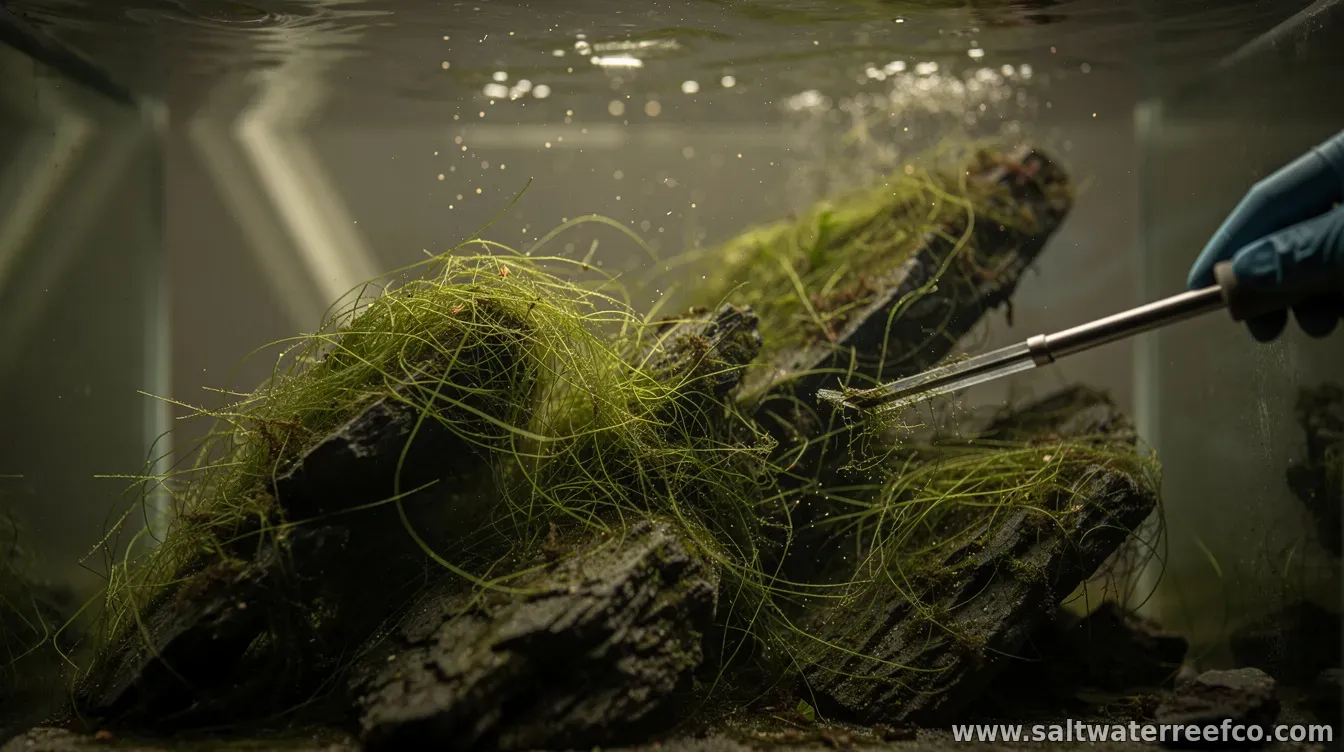
Hair algae—typically long, stringy strands that resemble hair—can quickly become a visual nuisance in aquariums. While it’s not usually considered harmful on its own, it often signals an imbalance in your tank’s light, nutrients, and maintenance routine. The most effective fixes pair removal with addressing the underlying cause. Common causes of hair algaeHair algae outbreaks usually happen when one or more environmental factors favor algae growth. The most frequent drivers include excessive or poorly controlled lighting, unstable or elevated nutrients (especially nitrates and phosphates), and reduced water circulation or filtration performance. Overfeeding is a common trigger because it increases dissolved nutrients that algae can use. In addition, inconsistent water changes or a tank that is still maturing (not fully established) can lead to fluctuating water parameters—conditions that algae exploit faster than plants can compete. Finally, low plant biomass or slow-growing plants can leave “open space” for algae. If your plants are not growing well (for example due to limited nutrients or insufficient CO₂ in planted tanks), hair algae may gain a foothold. Step-by-step removal (safe approach)Before you start, turn off devices that could spread algae fragments and prepare a plan for catching debris. Hair algae can break apart during handling, and small fragments may reattach elsewhere. A targeted removal, followed by cleanup and parameter adjustments, is usually the fastest path to recovery. 1) Reduce light exposure immediately 2) Physically remove algae carefully 3) Siphon loose fragments during cleanup 4) Improve water flow and filtration performance 5) Address feeding and nutrient sources 6) Stabilize nutrients with sensible water changes 7) Support plant competition 8) Use spot treatments only when needed How to prevent hair algae from coming backPrevention is mostly about balance and consistency. Keep lighting stable (avoid long, high-intensity schedules), maintain reliable water change routines, and monitor nitrates and phosphates to catch upward trends early. Good circulation plus thriving plants typically provide the strongest long-term resistance. If your tank recently cycled or has had major changes—new lighting, new fertilizers, a filter upgrade, or a rearrangement—hair algae may appear during the adjustment period. Watch parameters and maintain steady routines rather than making repeated, abrupt changes. When to reassessIf hair algae doesn’t improve after a few removal cycles and parameter stabilization, re-check your assumptions. Test for nutrients, confirm your photoperiod, and evaluate plant health and stocking density. Hair algae often responds once its “perfect conditions” are removed—even if that takes a bit of troubleshooting. With careful removal, consistent maintenance, and attention to the conditions that fuel algae growth, hair algae outbreaks can usually be reduced and prevented. Start with the basics first, then refine based on what your tests and plant growth reveal. | |
|
| |
Next & Previous posts