0:44 AM How Custom Mixing Stations Simplify Saltwater Preparation | |
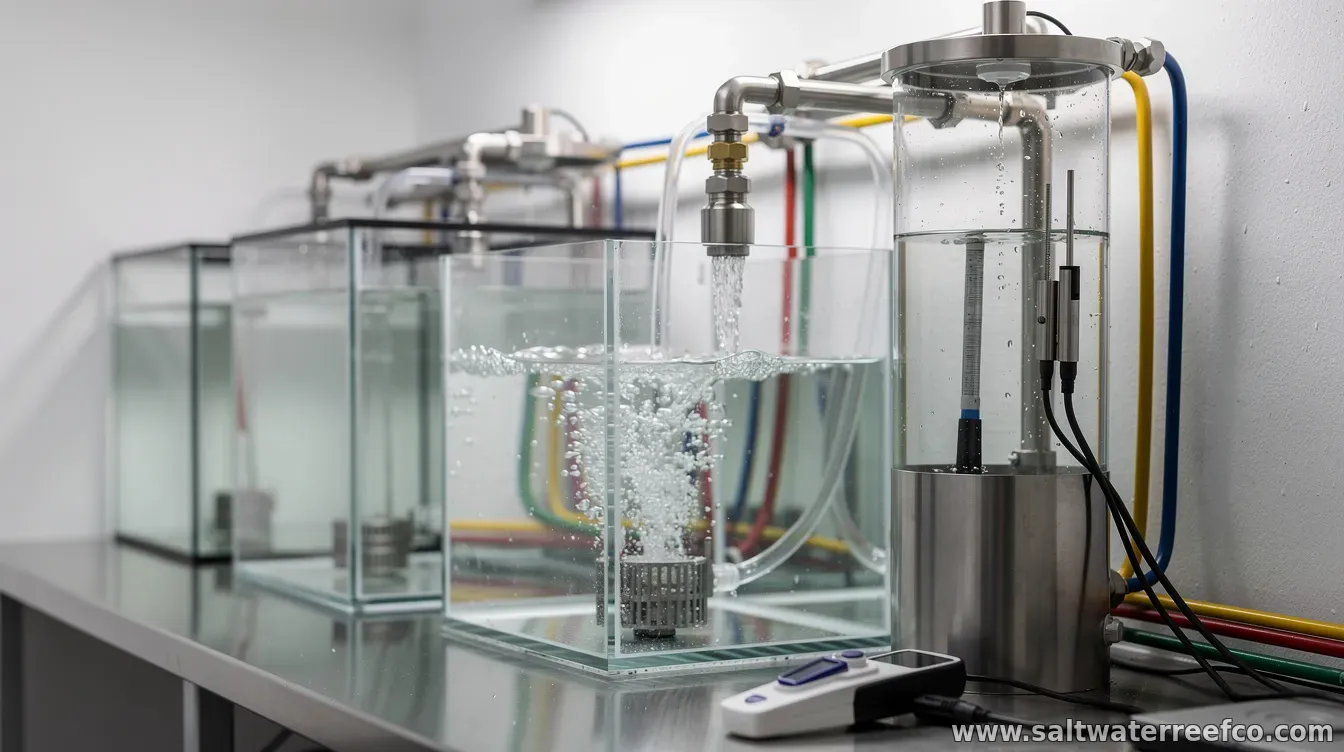
Saltwater preparation is one of the most frequent — and most mistake-prone — tasks in marine aquarium care. From inaccurate salinity to uneven mixing, small inconsistencies can ripple into fish stress and long-term stability issues. Custom mixing stations are designed to remove much of that uncertainty by bringing the key steps into a single, repeatable workflow. At their core, a custom mixing station is a purpose-built setup that stores fresh water and salt, then mixes them to a target salinity with controlled circulation. Instead of relying on improvised buckets and handheld tools, keepers can streamline preparation while improving consistency from batch to batch. Consistency starts with controlled water volumeMany problems begin with measurement. Custom stations typically pair measured compartments or marked reservoirs with reliable calibration points, making it easier to prepare the same water volume every time. When the starting amount is consistent, the resulting salinity is more predictable — especially during high-demand maintenance schedules. Some setups also incorporate dedicated feed plumbing or quick-change connections so the station can refill efficiently. That reduces the time saltwater sits partially mixed, which helps maintain a more uniform salt dissolve rate. Mixing power and circulation reduce “hidden” variabilityEven when the salinity reading looks close, salt may not fully dissolve or distribute evenly throughout the water. Mixing stations address this with appropriately sized pumps and circulation patterns that keep the saltwater moving until targets are met. With stronger and steadier circulation, keepers spend less time waiting for complete dissolution and can avoid settling-related swings. In practical terms, better circulation can mean fewer repeat checks, fewer “re-dosing” cycles, and fewer batches that require long re-mixing periods before they’re safe to use. Temperature control helps saltwater match tank conditionsTemperature differences can stress livestock and complicate salinity interpretation, since saltwater density and readings can shift with temperature. Custom stations often include temperature management features, such as heaters sized to the batch volume and monitoring points that make adjustment straightforward. When temperature and salinity are addressed together, the time spent balancing parameters is reduced, and the prepared water is more likely to match the display tank more closely at the point of use. Workflow automation and organization cut down on messBeyond the chemistry, saltwater prep is often about logistics: where to store salt, how to handle measuring, and how to prevent spills. Custom mixing stations consolidate storage and tools into an organized layout, so mixing doesn’t require constant setup and cleanup. This can be especially valuable for reef keepers running regular schedule-based maintenance. Some designs include filtration or mixing steps that help clear debris, while others focus on fast, clean transitions between “fresh water fill,” “mix and monitor,” and “ready for transfer.” The result is a calmer, more repeatable process that’s easier to follow even for busy households. Just as important, a dedicated station helps reduce cross-contamination risks. Keeping supplies separated and using station-specific connections can prevent residue from leftover cleaning agents or non-matching water sources from entering the saltwater batch. What to look for when choosing a custom approachA truly helpful mixing station is tailored to your aquarium size, routine, and monitoring habits. Keepers generally benefit most when the station supports accurate measurement, reliable mixing circulation, and temperature awareness. Many also prioritize simple operation, so the station encourages correct usage rather than adding complexity. Before building or upgrading, consider the batch size you need, how long you typically mix before checking parameters, and which instruments you rely on for salinity and temperature. A design that fits your workflow — rather than forcing a new one — is more likely to improve results. Custom mixing stations simplify saltwater preparation by making measurement, mixing, and matching conditions more repeatable. For marine aquarium keepers, that translates into fewer variables, faster prep, and a more stable environment for the animals that depend on it. | |
|
| |
Next & Previous posts