0:43 AM Why Quarantine Matters for New Fish and Corals | |
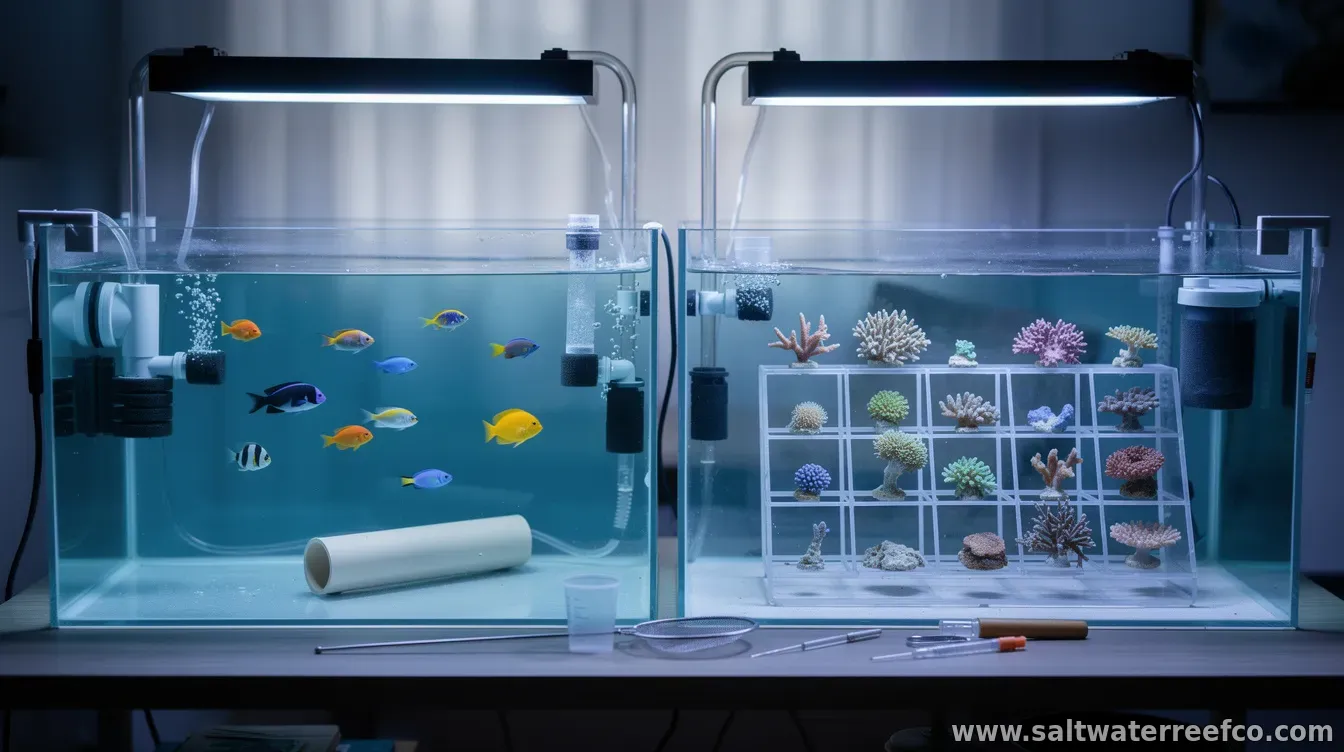
Introducing new fish and corals is one of the most exciting parts of maintaining an aquarium—but it’s also one of the easiest ways to bring problems into an established system. Quarantine creates a controlled buffer between your display tank and new arrivals, lowering the odds that disease, parasites, or pests hitchhike in unnoticed. In many cases, newly purchased livestock can appear healthy at first. However, symptoms may take days to weeks to become obvious, and certain pathogens or parasites can remain undetected while still spreading. A quarantine period gives you time to observe behavior, monitor appetite, and react before anything enters your main tank. Quarantine protects the display tankYour display aquarium represents months or years of stability—consistent salinity, temperature, water chemistry, and biological balance. When a disease outbreak occurs, it can be difficult to treat without disrupting the tank’s inhabitants. Quarantine acts as the first line of defense, helping you catch issues early and prevent an expensive or stressful cascade of problems. It’s not only fish that matter. Corals and invertebrates can carry hitchhikers such as pests, nuisance algae, or microscopic organisms that may compete with or irritate your existing reef community. While corals don’t “swim away” like fish, quarantine provides a practical window to verify that new pieces are stable and free of obvious threats. It helps you notice problems before they spreadA quarantine setup gives you a clear view of how new arrivals are eating and behaving. Signs like rapid breathing, clamped fins, spots, lethargy, or refusal to feed can surface after transport stress fades. For corals, you can watch for unusual tissue recession, persistent retraction, or signs of poor adaptation to lighting and flow—issues that might otherwise be missed until they worsen in the display tank. Observation also helps you confirm that new livestock can tolerate your quarantine conditions. If something is struggling in a separate tank, it’s often safer to adjust the approach—improve water quality, refine acclimation, or use targeted treatment—before introducing it to your reef. Reduce the risk of parasites and diseaseMany aquarium diseases and parasites enter systems through new additions. Without quarantine, there’s a greater chance that even a single carrier can seed an outbreak. With quarantine, you can treat proactively when appropriate and isolate livestock if you see warning signs. It’s important to note that quarantine doesn’t guarantee zero risk. But it significantly improves the odds by adding time, isolation, and monitoring—three factors that make prevention more achievable. For owners who already have a thriving tank, this step often feels small compared to the cost of treating a display during an emergency. Practical quarantine basicsWhile exact methods vary by species and system size, the core idea is consistent: separate new arrivals from the display and keep conditions stable. Many aquarists use a dedicated quarantine tank with appropriate filtration and aeration, then maintain a period of observation long enough for common issues to show up. During quarantine, avoid cross-contamination by using separate nets and tools, and keep hands and equipment clean between tanks. After quarantine, acclimate new livestock carefully before moving them into the display—especially corals, which can be sensitive to sudden changes. Quarantine matters because it respects the reality of closed ecosystems: once a pathogen or pest gets established, removing it can be challenging and disruptive. By slowing down introductions and using a deliberate observation window, you protect the health of your fish, the resilience of your coral, and the long-term stability of your aquarium. | |
|
| |
Next & Previous posts