3:15 AM SPS vs LPS Corals: Key Differences and How to Start | |
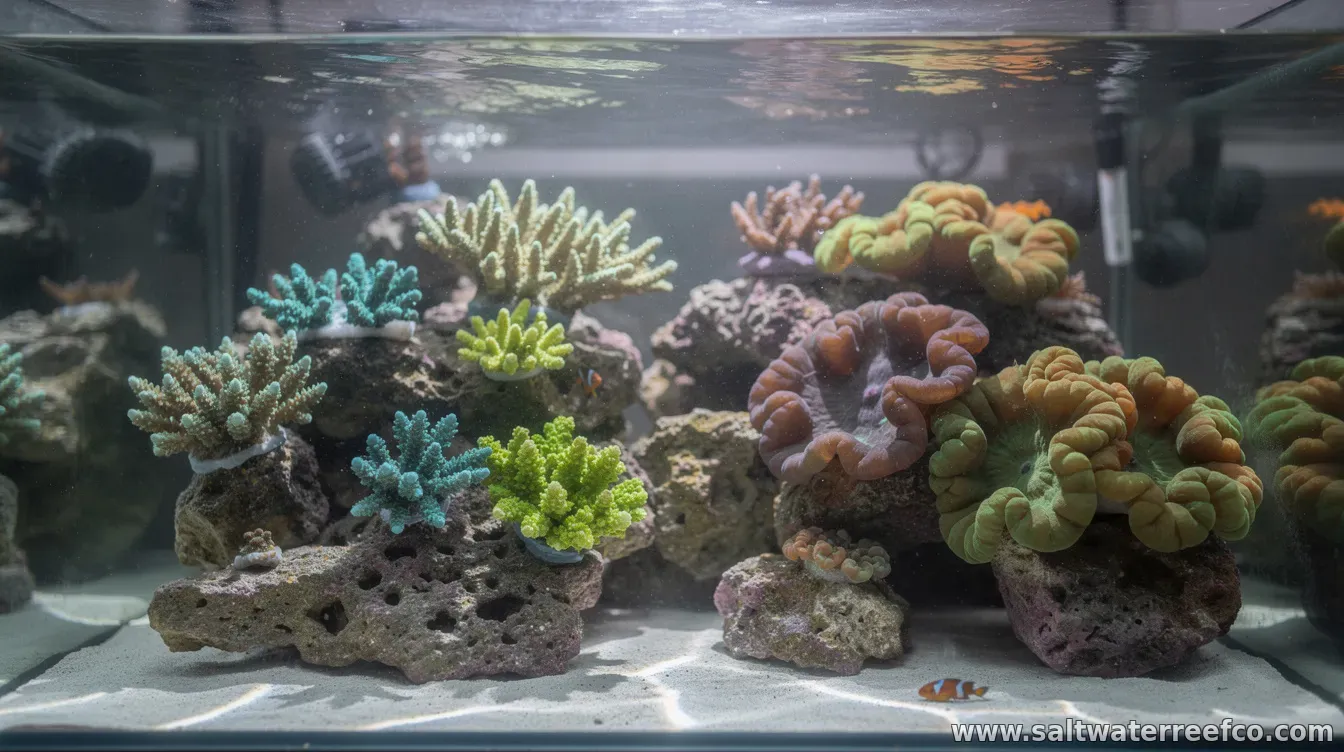
Choosing between SPS (Small Polyp Stony) and LPS (Large Polyp Stony) corals can feel overwhelming, especially when most advice assumes you already have a mature, stable tank. The good news: once you know what each group needs—light, water quality, and flow—you can make a smarter, more realistic first pick. In broad terms, SPS corals grow as encrusting branches or plates and typically demand stronger light and very stable water conditions. LPS corals, with their larger fleshy polyps, are often more forgiving and can be a great way to learn reefkeeping basics before pushing into higher-demand species. What “SPS” usually means SPS corals are stony corals with small polyps. Many form compact colonies, branching structures, or thin plates that can expand quickly when conditions are right. Because they rely on precise chemistry for calcification, swings in temperature, alkalinity, or salinity often show up as pale tissue or slow growth. What “LPS” usually means LPS corals have larger, fleshy polyps and may look more “soft” and colorful in many reef displays. While they still require good water quality, their overall care can be less punishing for beginners—especially if you can provide appropriate flow that keeps their tentacles clean without blasting them. 2 key differences that affect your daily careThe first is water stability. SPS corals generally prefer consistently managed parameters (especially alkalinity and calcium) with minimal day-to-day fluctuation. LPS corals can tolerate small imperfections better, though neglect will still cause problems. The second is lighting and flow. SPS usually wants stronger, more intense light to support high-energy photosynthesis and proper growth. LPS typically needs moderate light and carefully tuned flow—enough to move waste away from the tissue, but not so much that the coral remains constantly irritated. How to choose your starting coralsIf your tank is new or you’re still dialing in stability, starting with LPS can reduce frustration. If you already have a stable system with strong lighting and steady test results, SPS becomes a logical next step. Either way, aim to start small: add one or two hardy colonies, then let the tank and coral settle before increasing complexity.
Temperature swings, unstable alkalinity, and inconsistent salinity are common reasons beginners struggle with both groups. Test what matters, observe daily, and make changes gradually. A coral that slowly improves after a parameter correction is usually a sign you’re on the right track. Where to start: a practical first plan Begin by confirming tank readiness: stable temperature, consistent salinity, and reliable alkalinity/calcium management. Then choose your group based on your setup. If you can’t yet maintain parameters tightly, prioritize LPS first to build experience. If your tank already runs stably with good lighting and controllable flow, consider starting with SPS species known for being more forgiving. As you gain confidence, the most successful reef approach is incremental. Move from easier, hardier pieces toward more demanding ones—while keeping a close eye on coloration, polyp behavior, and tissue condition. With patience and stability, both SPS and LPS can thrive and help you build a reef that looks impressive and stays healthy. | |
|
| |
Next & Previous posts