2:07 AM Beginner-Friendly Corals for a First Reef Tank | |
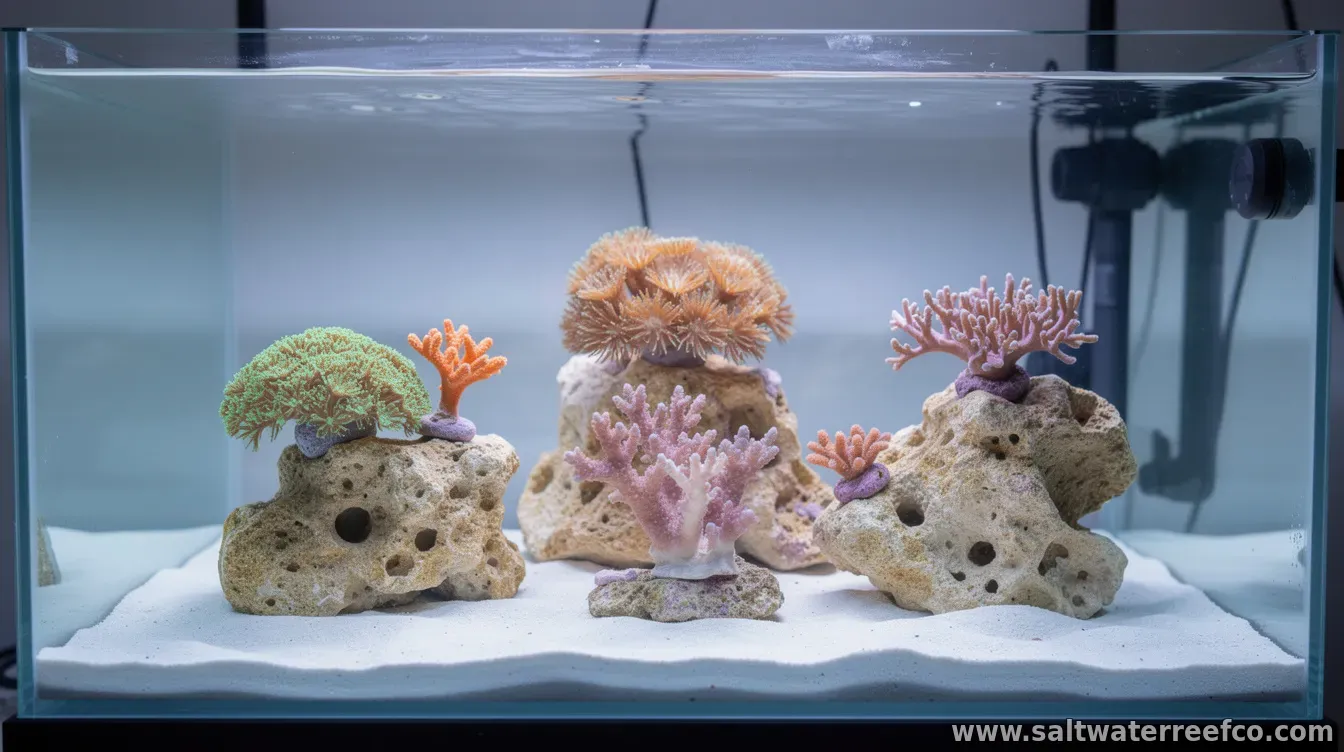
Starting a reef aquarium is exciting, but the coral selection matters just as much as water quality. For a first tank—especially if you’re still learning stability—beginner-friendly corals are typically those that tolerate a wider range of conditions and recover well when parameters are improving. What makes a coral “beginner-friendly”?Look for corals that are known for hardiness, relatively simple feeding needs (if any), and strong tolerance to moderate swings while your system matures. In practice, that usually means thriving on photosynthesis with efficient placement, and not requiring specialized lighting or constant targeted feeding from day one. Top coral picks for first reef tanksZoanthids (zoas) are often recommended first because they’re commonly available, generally hardy, and can spread as they acclimate. They typically do well under reef lighting and can appreciate stable flow that doesn’t blast them directly. Pulsing Xenia can be an easy-entry coral if your tank is running well. It’s photosynthetic but can respond to water movement. If you see it retract, patience and stable parameters usually help. Rock anemones (non-stinging varieties) can add movement and color while remaining approachable for beginners. Like many corals, they prefer stable placement and consistent light and flow rather than frequent repositioning. Green star polyps (GSP) are a classic “starter” coral due to their tenacity. They often establish quickly and can grow over time, but they also spread—so plan where you want them and use rock placement strategically. Frogspawn and hammer corals (LPS) can be beginner-friendly when fed appropriately and kept in stable conditions. They generally benefit from moderate-to-strong flow and consistent feeding routines, though exact requirements vary by species. Leathers (soft corals) are another common starter group. Many leathers are forgiving compared with more demanding species and can tolerate a broader range while your tank’s system cycles and stabilizes. Still, they aren’t “set-and-forget,” and they may shed or sulk briefly after changes. Placement, flow, and lighting: the real “care”Even hardy corals struggle if placed incorrectly. Start by matching each coral’s typical needs: higher-light corals near the top, lower-light corals slightly farther down, and provide flow that supports respiration without blasting tissue directly. Acclimation is also crucial. Move slowly—both in lighting and location—and avoid frequent changes in the first weeks. New tanks often experience small parameter swings, and consistent conditions help corals settle in. Feeding and maintenance basicsSome corals rely mostly on light (photosynthesis), while others benefit from supplemental feeding. For LPS like hammer and frogspawn, routine feeding can improve growth and coloration. Meanwhile, soft corals and polyps may not need targeted feeding, but they still appreciate overall water quality and balanced nutrients. Beyond feeding, the biggest beginner success factor is consistency: perform regular water changes (as appropriate for your system), keep temperature stable, and monitor key parameters so you can make adjustments gradually rather than reacting to every fluctuation. Common beginner mistakes to avoid
With the right starter species and a steady routine, your first reef tank can become a reliable foundation for growth. Start small, prioritize stability, and let your corals acclimate before you expand—your future livestock (and your patience) will thank you. | |
|
| |
Next & Previous posts