1:13 AM Signs Your Reef Tank Needs Professional Attention | |
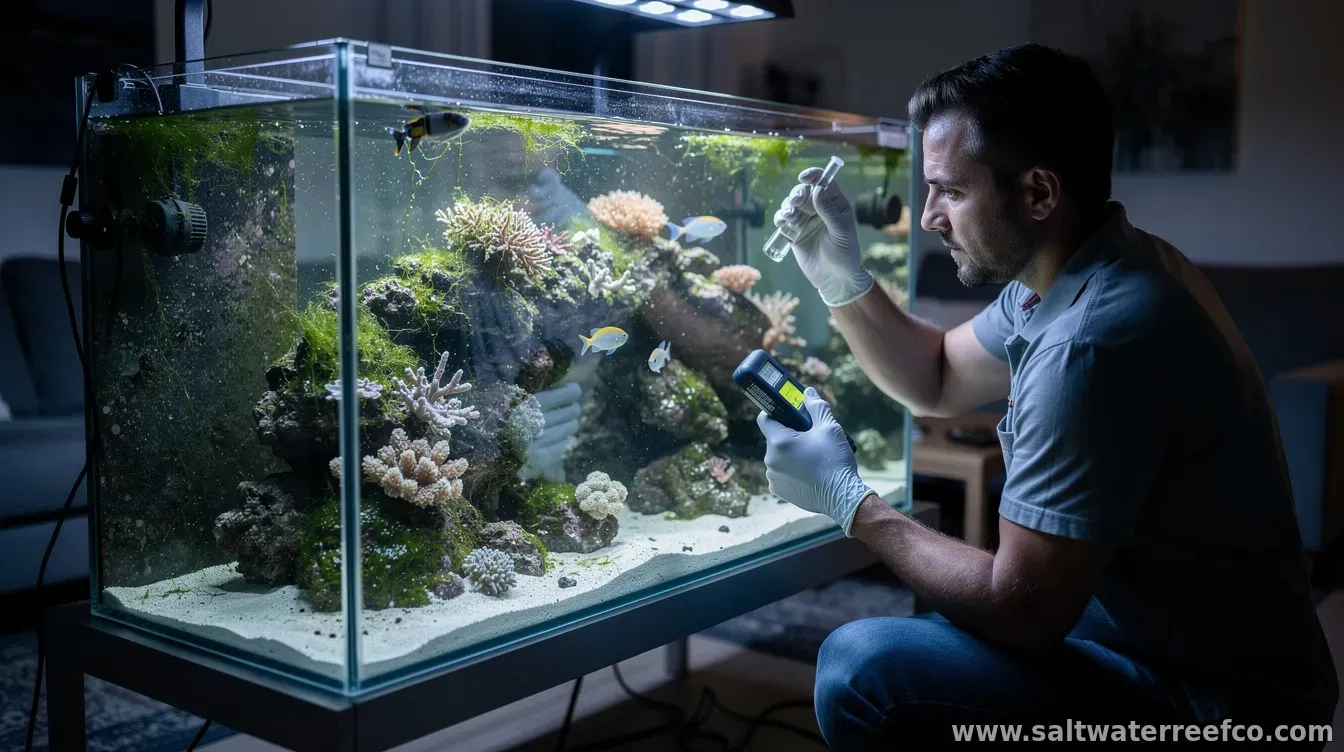
Healthy reef tanks run on balance—stable water chemistry, reliable equipment, and consistent husbandry. When that balance breaks, problems can escalate quickly, especially in systems with sensitive corals and invertebrates. While many minor issues have simple causes, certain “patterns” are difficult to diagnose without specialized testing, troubleshooting, and reef experience. If you’re seeing multiple symptoms at once or the same problem keeps returning, it may be time to seek professional attention. 1) Water chemistry swings that you can’t explainFrequent or sudden changes in alkalinity, calcium, magnesium, pH, or salinity—especially when your test results vary or never stabilize—are a strong indicator something is off. Causes can include dosing equipment issues, evaporation control failures, contaminated saltwater, or hidden parameter drift from filtration and substrate. 2) Persistent coral stress or stalled growthCorals that repeatedly show bleaching, paling, tissue recession, or chronic retraction despite “doing everything right” often point to a root cause you’re not measuring. Professionals can investigate factors such as nutrient imbalance, light and flow mismatches, dosing accuracy, allelopathic stress from other organisms, and unrecognized contaminants. Stalled growth can also occur when essential elements are out of range or when flow and photoperiod aren’t supporting the coral species’ needs. If the same corals worsen after routine maintenance or after introducing new livestock, that’s another reason to get eyes on the system. 3) Algae outbreaks that keep coming backAlgae can be a normal phase during setup, but a tank that develops recurring blooms—despite consistent feeding, stable salt mix, and regular cleaning—may be experiencing underlying issues. Persistent outbreaks can be linked to nutrient imbalances (too much nitrate/phosphate or an inability to export them), insufficient or malfunctioning filtration, or disrupted microbial stability. Because different algae have different drivers, repeatedly trying random “reef fixes” can delay the real solution. A professional can help identify what you’re dealing with and why it’s happening in your specific system. 4) Fish and invertebrates showing repeated symptomsWhen fish or invertebrates show ongoing losses, respiratory distress, sudden behavior changes, or recurring disease after quarantine and treatment attempts, the problem may not be the pathogen you suspect. It could be water quality stress, biofilter problems, or an environmental trigger such as chemical contamination or unstable oxygen levels. Professionals can evaluate the full chain—water parameters, temperature stability, salinity, oxygenation, flow patterns, and how quarantine procedures are being applied—so you’re not treating symptoms while the cause remains. 5) Equipment failures or “mystery” performance issuesIf reactors, pumps, heaters, skimmers, dosing systems, or auto-top-off units behave inconsistently—such as sudden power-head surges, skimmer wetness changes, or dosing that appears accurate but still correlates with problems—that can rapidly destabilize a reef tank. Sometimes the tank looks fine until you notice subtle signs: fluctuating temperature, microbubbles, erratic pH swings, or unexpected changes after filter media swaps. A professional can test and calibrate equipment, confirm dosing accuracy, and verify that maintenance schedules match the system’s demands. 6) You’re dealing with a major unknown eventLarge die-offs, sudden coral losses, or unexplained changes after adding a new frag, live rock, sand stir, or chemical treatment are events where experienced troubleshooting matters. Re-creating stability after an incident can require careful planning—especially if you’ve already introduced medications, new additives, or altered filtration. A pro can help establish what likely happened, prevent secondary damage, and guide a safe recovery plan designed around the reef’s biology—not just quick parameter corrections. What to do before a professional visitTo make help as effective as possible, compile recent records: test results (including alkalinity, nitrate, phosphate, calcium, magnesium, pH, salinity), dosing logs, water-change schedules, equipment list, feeding amounts, and photos or short videos of problem areas. Note timing too—when symptoms began, what changed, and any treatments used. With that context, a professional aquarist can narrow down likely causes faster and recommend targeted adjustments rather than broad, trial-and-error changes. In reef keeping, prevention beats cleanup. If your tank’s challenges are recurring, multi-factor, or resistant to reasonable adjustments, professional attention can help protect expensive livestock and restore long-term stability. | |
|
| |
Next & Previous posts