2:05 AM Algae Control 101: Causes, Prevention, and Professional Solutions | |
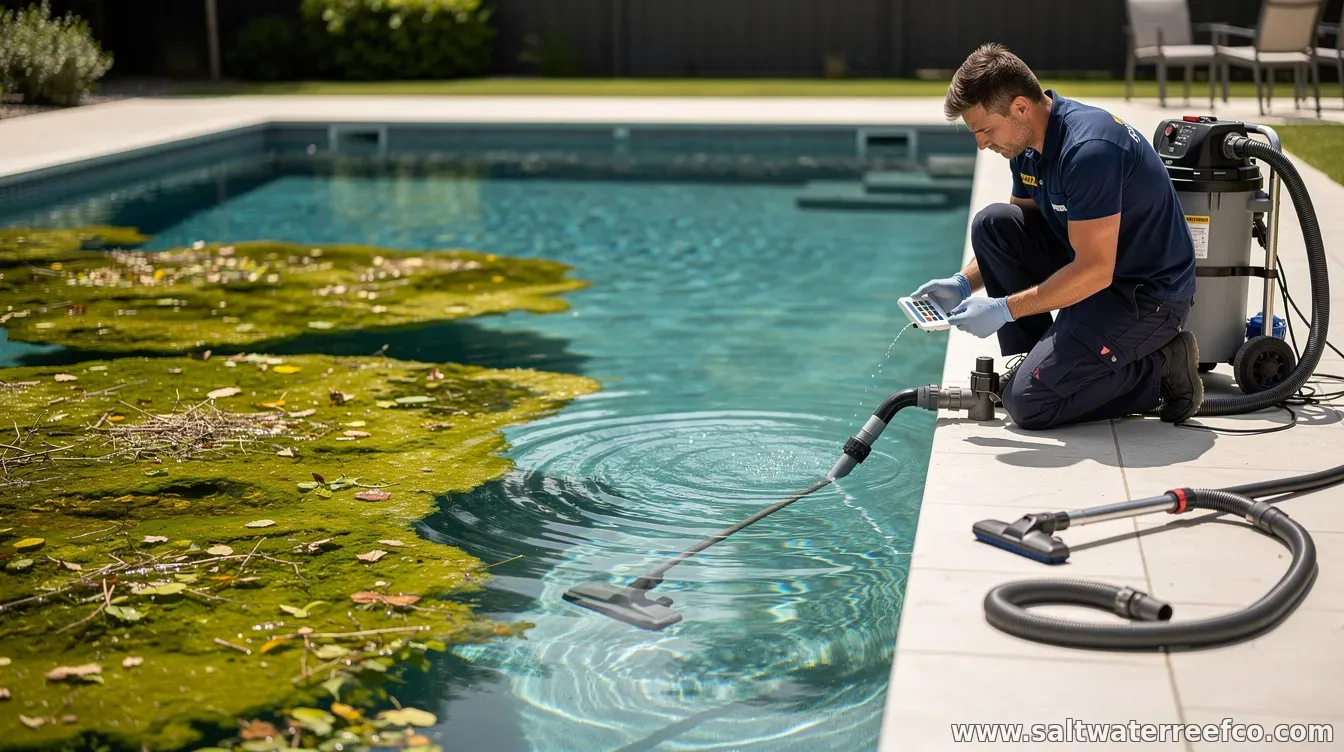
Algae can appear quickly—turning clear water green, cloudy, or slimy—yet it rarely starts out of nowhere. Whether you manage a backyard pool, a pond, or a decorative water feature, algae is typically a response to conditions that favor plant-like growth. This guide breaks down the most common causes, practical prevention steps, and when it makes sense to bring in professional services for faster, safer control. Why algae grows: the most common triggersAlgae thrive when water provides “food,” the right light conditions, and limited disruption. The most frequent drivers include elevated nutrients (especially phosphorus and nitrates), weak filtration or circulation, imbalanced water chemistry, and debris that traps organic matter. Sunlight accelerates photosynthesis, so shaded areas can still develop algae but often at a slower pace. Temperature also plays a role: many algae types become more active during warmer months. In pools, seasonal changes in bather load, weather patterns, and cover use can shift nutrient and chemical balance—creating conditions algae can exploit. How to recognize the type (and the problem it implies)While algae color alone isn’t a perfect diagnostic, appearance can offer clues about what you’re dealing with. Green algae often relates to sunlight and general nutrient imbalance; stubborn or “stubborn-looking” growth may indicate inadequate filtration or circulation. Yellow-brown algae can sometimes be associated with silica or specific water chemistry conditions. In ponds and water features, algae may be fed by runoff from lawns, fertilizers, or upstream sediment. If you’ve recently changed landscaping, applied fertilizer, or experienced heavy rainfall, those events can quickly raise nutrient levels. Prevention that actually reduces algae pressureThe best algae control strategy is to make conditions less favorable for growth. Start with consistent water management and cleanliness: keep baskets skimming, remove leaves and organic debris, and avoid letting water stagnate. For pools, ensure the pump and filter run long enough to circulate the entire volume—many algae issues are essentially filtration/circulation issues in disguise. Chemistry matters too. Maintain sanitizer levels and proper pH ranges according to your system, and address any chronic imbalance rather than “chasing” algae after it appears. In ponds and ornamental systems, reduce nutrient inputs by limiting fertilizer runoff and improving source control where possible.
For some systems, additional interventions—such as aeration, mechanical filtration upgrades, or targeted treatments—may be recommended depending on the algae type and environmental constraints. Professional solutions: when DIY isn’t enoughSometimes algae returns even after you “treat it,” which is often a sign that the underlying cause hasn’t been solved. That’s where professional algae control can help: technicians can evaluate circulation patterns, filtration performance, nutrient sources, and water chemistry trends to determine why algae keeps reappearing. Professionals may also use system-appropriate treatment plans that combine chemical control with mechanical cleaning, nutrient management, and preventive adjustments. In water features and ponds, they must consider environmental factors and safe handling practices—especially where wildlife, plants, or sensitive ecosystems are involved. If your water is heavily infested, the safest and fastest path is frequently a coordinated approach: thorough cleaning, correct chemical balance, and improved circulation—then maintenance that prevents regrowth. What to do next: a simple action planBegin by identifying your environment (pool, pond, or water feature) and the main signals: when it started, how fast it spread, recent weather, changes in filtration, and any fertilizer or runoff events. Then test and inspect rather than guessing—because the right fix depends on the root cause. If algae is persistent, returning repeatedly, or interfering with safe water use, contact a reputable pool or water-feature professional. A targeted assessment can shorten downtime, reduce chemical waste, and help restore water clarity without repeating the same cycle. | |
|
| |
Next & Previous posts