0:44 AM Saltwater vs Freshwater Aquariums: Which Fits You? | |
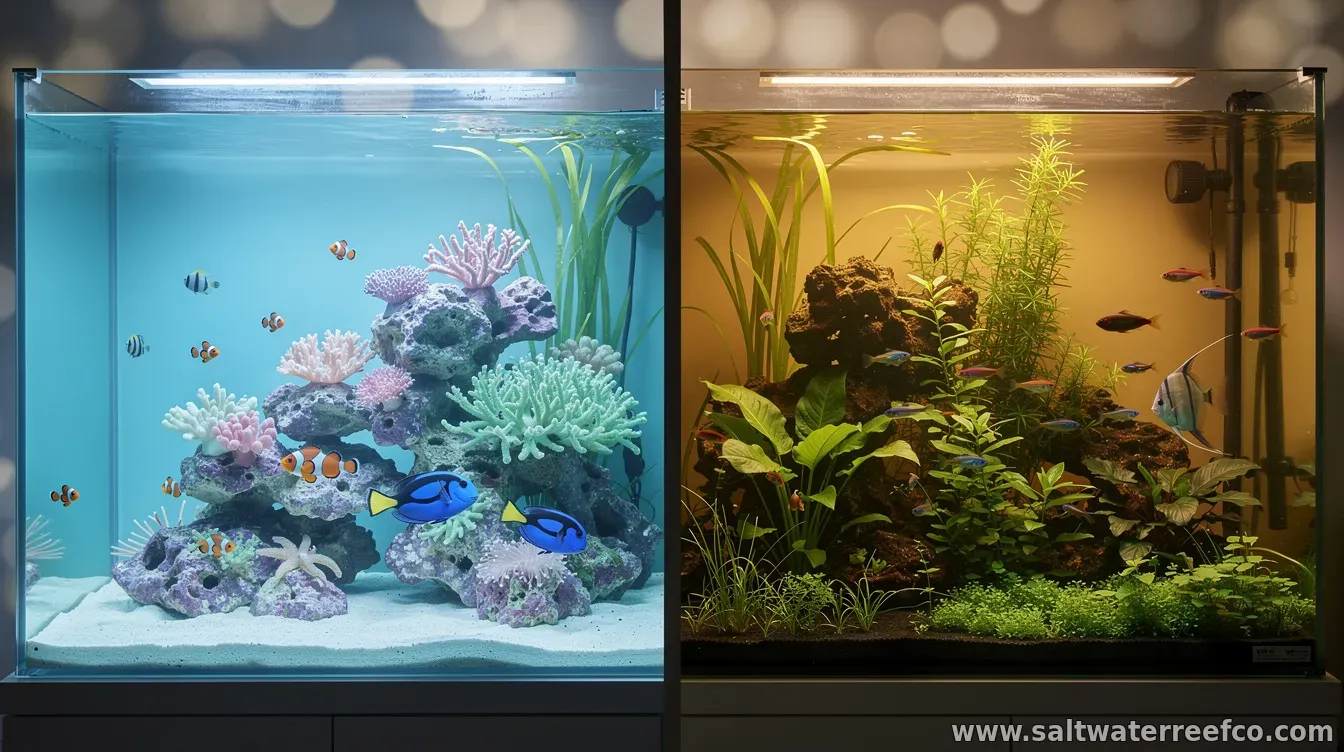
Building an aquarium is exciting—but “best” depends on your lifestyle and what you want to keep. Freshwater tanks are often the go-to for beginners, while saltwater aquariums can be especially rewarding for experienced hobbyists who enjoy precision care and intricate marine life. The decision isn’t just about what looks good. It’s also about long-term upkeep: water chemistry stability, equipment needs, and how quickly you want results. 1) Cost and ongoing expensesFreshwater aquariums generally have a lower entry cost. Equipment and salt-free water changes tend to be simpler and cheaper, and many common species are widely available. That means you can focus money on stocking and a quality filter rather than specialized marine gear. Saltwater setups usually cost more upfront and can be pricier over time. Reef tanks, in particular, may require additional systems for lighting, skimming, and filtration, plus regular purchases of salt mix and test reagents. If you’re budgeting carefully, start by estimating monthly consumables—not only the tank price. 2) Difficulty and water-parameter demandsFreshwater is often more forgiving. While you still need consistent testing and good cycling practices, many freshwater species tolerate a broader range of conditions. Routine tasks—like partial water changes and filter maintenance—are typically straightforward. Saltwater requires tighter control of parameters such as salinity and, for reef-focused tanks, additional chemistry variables. Stability matters: small swings can stress marine livestock. If you enjoy measuring, adjusting, and monitoring, saltwater can feel like a rewarding “system” to manage. 3) Stocking variety: what you can keepFreshwater aquariums offer huge variety with minimal technical barriers. You can create community tanks with peaceful schooling fish, add live plants for natural look and biological support, or build species-specific biotopes depending on your taste. Saltwater tanks also offer remarkable diversity—especially if you’re aiming for a reef with colorful corals and invertebrates. However, marine animals often have more specific requirements for temperature, flow, and compatibility. Planning your stocking carefully is key to avoiding problems later. 4) Maintenance time and learning curveBoth types demand consistency, but the schedule differs. Freshwater setups usually involve manageable weekly check-ins and periodic water changes. Many hobbyists find that plants and hardy fish help smooth the learning process. Saltwater aquariums can require more frequent testing early on and more attention to evaporation and salinity (since top-off water can significantly affect salt concentration). If you’re willing to develop a routine and troubleshoot, that extra effort can pay off with stunning marine displays. Which should you choose? If you want a smoother start, lower costs, and simpler maintenance, freshwater is typically the right fit. If you’re drawn to marine ecosystems—especially reefs—and you’re ready for precision care, saltwater may be worth the challenge. No matter which path you choose, the most important factor is planning: cycle your tank properly, research specific species’ requirements, and invest in reliable filtration. The “best” aquarium is the one you can maintain consistently for the long term. | |
|
| |
Next & Previous posts