0:53 AM Saltwater vs Freshwater Aquariums: Which Fits? | |
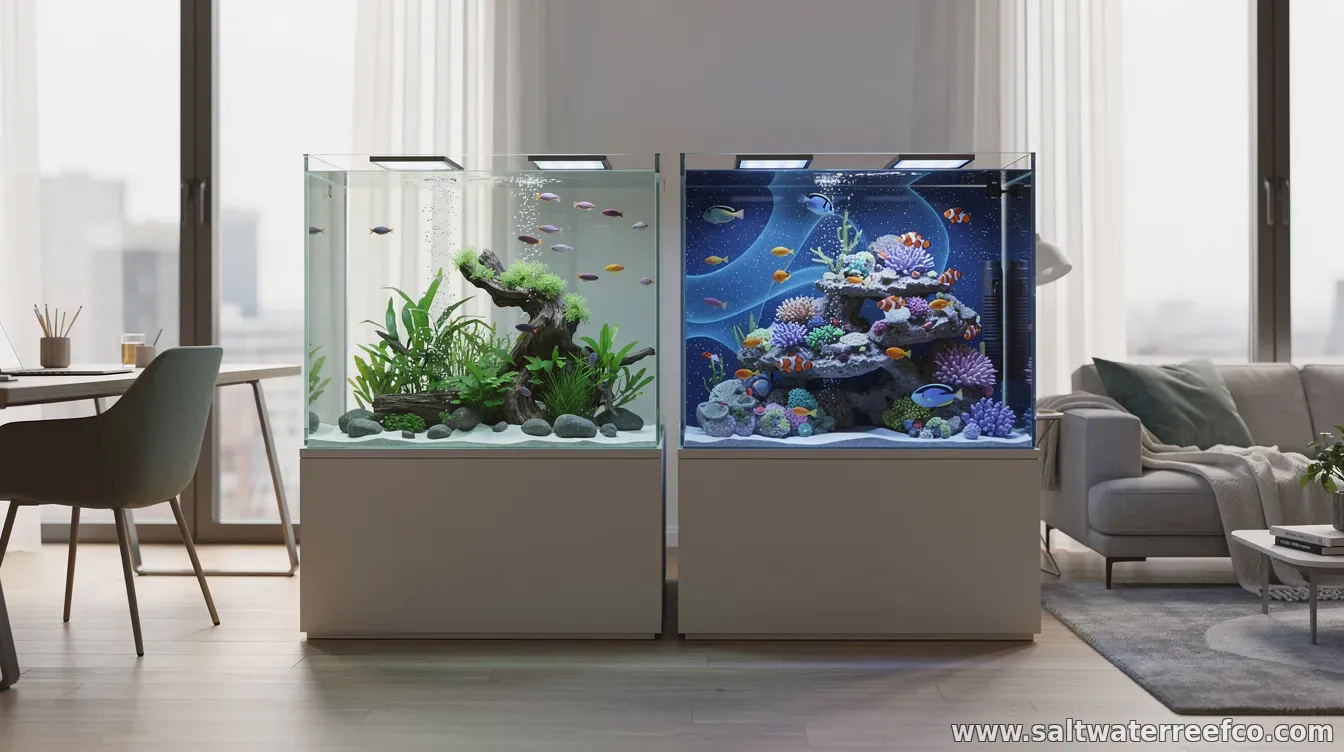
For a home or office, an aquarium is more than décor: it’s a living system that needs consistent care. The two main paths—freshwater and saltwater—differ in setup costs, ongoing maintenance, and the level of water-chemistry control required. The “right” option is the one you can reliably sustain week after week. What changes with saltwater vs. freshwaterFreshwater aquariums use comparatively forgiving water conditions, and most setups rely on basic filtration and routine partial water changes. Saltwater aquariums, by contrast, depend on stable salinity, temperature, and additional parameters (often including alkalinity and calcium for reef tanks). That extra precision typically means more time, testing, and equipment. In practical terms, freshwater tends to be more forgiving for first-time keepers, while saltwater rewards dedicated owners who enjoy monitoring and fine-tuning water parameters. Cost and equipment: upfront and ongoingFreshwater setups usually cost less to start. Common essentials include a tank, heater (depending on species), filter, substrate, lighting, and a water testing kit for basics like ammonia, nitrite, nitrate, and pH. Many freshwater fish also tolerate a wider range of conditions when properly acclimated. Saltwater aquariums often need additional hardware and supplies. Beyond the tank and filtration, owners may use a protein skimmer, a more advanced filtration approach, and measures to keep salinity consistent (especially if the tank evaporates). Salt mixes, more frequent testing, and sometimes larger ongoing water-change volumes can also raise recurring costs. Maintenance and daily/weekly workloadFreshwater maintenance is typically straightforward: check water parameters, ensure the filter is running properly, perform scheduled water changes, and feed carefully to avoid excess waste. The cycle process—establishing beneficial bacteria that manage nitrogen—still matters, but the chemistry is generally simpler to manage. Saltwater maintenance is more demanding. Salinity must stay stable as evaporation occurs, and water parameters may require regular testing. Many saltwater keepers follow a strict routine for topping off evaporated water with freshwater (to avoid raising salinity) and for maintaining water chemistry through appropriate supplements. For a busy household or a workplace environment with limited access, the extra routine associated with saltwater can be a deciding factor. Fish and visual payoff: what you can keepFreshwater aquariums offer a wide selection of community fish, planted-tank favorites, and seasonal variety depending on your preferences and local sourcing. Many freshwater setups can also be visually striking with plants, rocks, driftwood, and lighting that supports a thriving aquascape. Saltwater aquariums can be especially eye-catching, with the potential for colorful marine species and, in more advanced setups, reef-style displays. However, marine life selection often requires matching the tank’s specific system type—fish-only (with or without live rock) versus reef—which influences equipment and maintenance demands. It’s worth choosing a fish list first, then selecting the aquarium type that best supports those species. The “best-looking” tank is the one that can sustainably support its inhabitants. Space, noise, and consistency in an officeOffice aquariums must balance aesthetics with practicality. Both freshwater and saltwater systems rely on filtration and heating (sometimes additional equipment), which can add hum or vibration depending on gear. Saltwater systems also often require more frequent monitoring, so the aquarium’s location matters—especially if it’s far from where staff can perform routine checks. If the aquarium must run with minimal intervention, a well-planned freshwater tank may be easier to keep stable. If you have a dedicated caretaker (or you’re prepared to commit personally), a saltwater setup can still work beautifully in a professional setting. Which one is right for you?Choose freshwater if you want a simpler learning curve, lower initial costs, and a generally more forgiving environment—particularly if you’re new to aquarium keeping or need a low-stress routine. Choose saltwater if you’re excited by more complex water chemistry, willing to test and maintain consistently, and want the marine color and variety that many people find irresistible. Whichever you pick, the most important factor is long-term consistency. Start with an equipment plan that matches your time and budget, cycle the tank properly, and commit to regular water checks. A thoughtfully maintained aquarium—fresh or salt—will thrive and become a reliable focal point for your home or office. | |
|
| |
Next & Previous posts