1:12 AM Choosing the Right Aquarium Size and Best Location | |
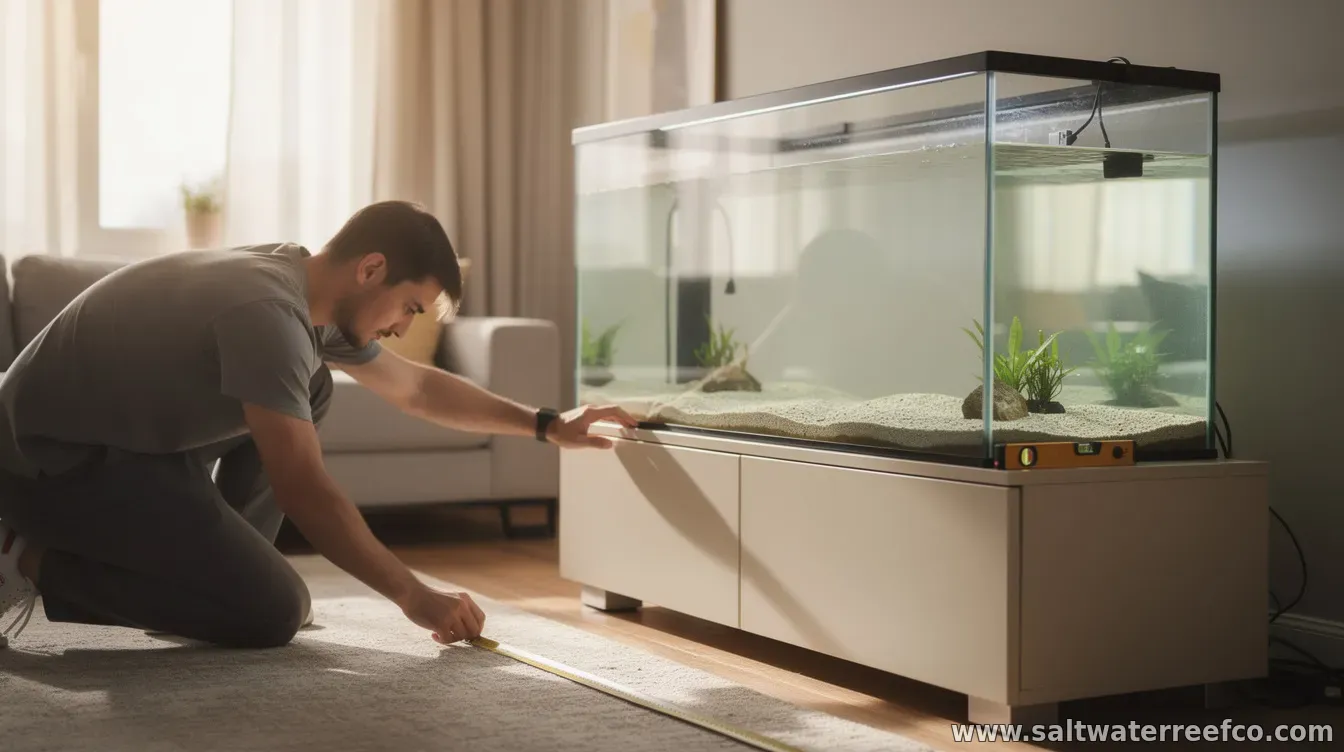
Setting up an aquarium is more than buying a glass tank and filling it with water. The size of the aquarium and its location shape water stability, fish health, and how often you’ll need to manage equipment and maintenance. While “bigger is better” is often true, the best choice depends on your species, household conditions, and long-term routine. Start with size: think in terms of water stabilityA larger aquarium typically offers more stable water parameters because changes in temperature, pH, and chemicals happen more slowly than in smaller tanks. This stability is especially helpful for beginners and for community setups with multiple fish types. Before buying, confirm the adult size and swimming needs of each species and plan for how your stocking will grow. As a rule of thumb, avoid planning a tank based only on juvenile fish. Many species become more active, territorial, or larger over time, which can lead to overcrowding, poor water quality, and stress-related illness. If you’re unsure, consult reputable species profiles and consider understocking to give filtration and biological balance room to work. Location matters: reduce heat swings and direct stressWhere you place your aquarium can affect water temperature stability, algae growth, and equipment performance. Aim for a spot with minimal exposure to direct sunlight, because sunlight can drive rapid algae blooms and cause temperature swings. Avoid placing the tank near frequently opened doors, heating vents, or drafty windows. It’s also important to consider support and safety. Use a properly rated stand on a level surface, and keep the tank away from areas where it could be bumped or exposed to household traffic. Remember that water is heavy—once you factor in glass, substrate, and decor, the total load can become significant—so a solid, manufacturer-approved setup is essential. Match equipment placement to maintenance and powerGood placement makes day-to-day care easier. Position the tank so you have access for testing water, cleaning the glass, and handling feeding and filter maintenance. Ensure electrical outlets are safe and reachable, and use appropriate power protection where needed, especially if you live in an area with unstable electricity. Consider airflow and humidity around the tank as well. A well-ventilated room helps equipment run more efficiently and can reduce buildup of condensation around lighting fixtures. If your tank has a lid, verify that lighting and heating equipment are installed according to manufacturer guidance for heat distribution and safe operation. Plan for the filter and circulation you’ll actually needTank size isn’t only about volume—it also influences how strong your filtration and water movement should be. When you choose a tank, you’re also choosing the scale of your biological filtration and the amount of water your pump and filter must process. A tank that’s too small for the intended fish load may overwhelm your filter’s capacity, leading to recurring water quality problems. When calculating filtration needs, don’t treat it as a one-time purchase. Think about your likely stocking level, feeding frequency, and how your tank will mature. Many aquarists find that moving to a larger tank later is easier than trying to “patch” water quality problems in an undersized system. Choosing the right aquarium size and location is one of the best ways to set yourself up for long-term success. Start by planning for adult fish needs, prioritize stability with a sufficiently large tank, and place the aquarium away from direct sunlight and temperature extremes. Once you get the foundation right, the rest of the setup—cycling, filtration, and feeding—becomes far more manageable. | |
|
| |
Next & Previous posts