4:42 AM Properly Acclimate New Fish and Corals for Aquariums | |
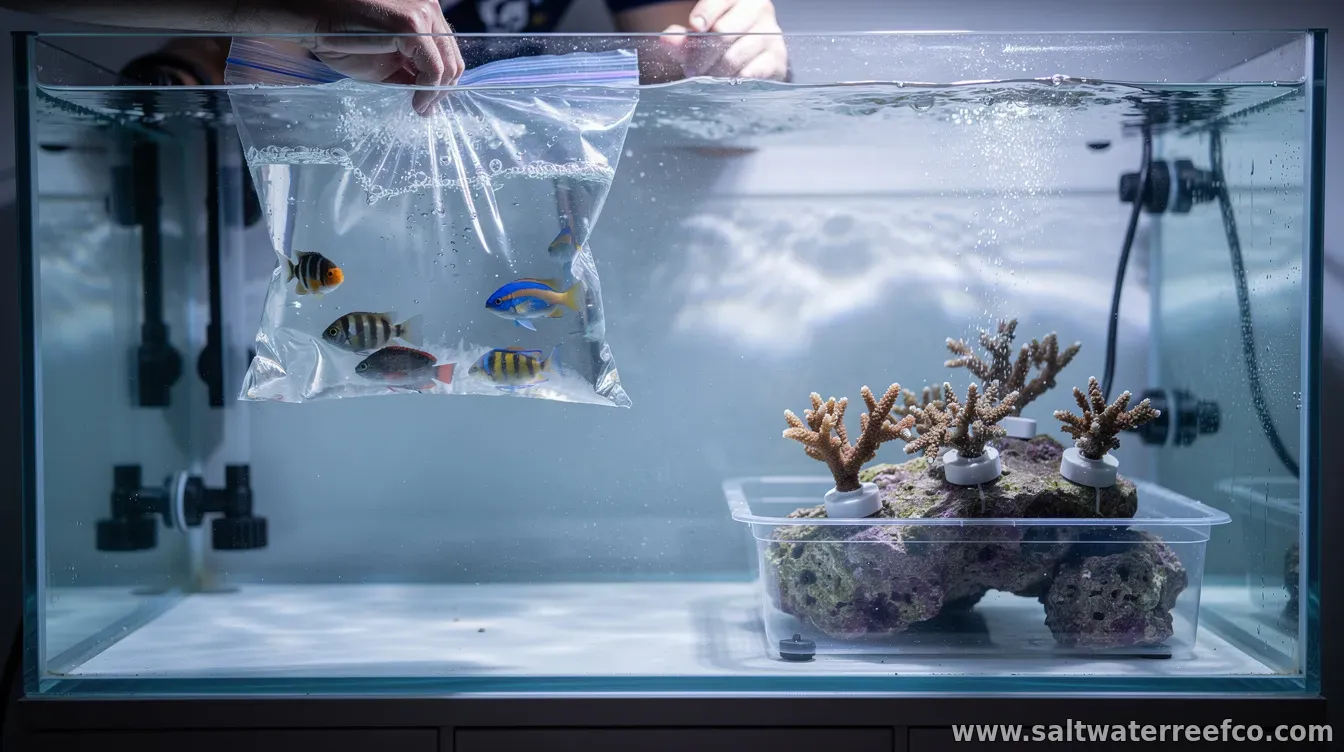
Adding new fish and corals is one of the most rewarding moments in aquarium keeping—but it’s also where many losses begin. Proper acclimation reduces stress from changes in temperature, salinity, pH, and water chemistry between the store and your tank. While there are multiple methods, the core goal is the same: adjust the new animals slowly and safely, so their bodies can adapt to your aquarium’s stable conditions. Below is a practical approach commonly used by reef and freshwater hobbyists. Start with stable tank conditionsBefore you acclimate, confirm your existing tank is ready. Make sure temperature, salinity (for marine), and key parameters are stable. For reef tanks, verify salinity, alkalinity, calcium, magnesium, and pH if you can. Animals acclimate better when they are returning to an environment that doesn’t immediately swing again. Choose the right acclimation methodDifferent organisms respond differently to water changes. Many fish can tolerate standard drip acclimation, while corals (especially sensitive species) often benefit from careful, gentle handling and close attention to lighting and flow after placement. Your starting point is the type of tank (freshwater vs. marine) and whether you’re acclimating fish, corals, or both. Step-by-step acclimation for new fish (freshwater or marine)Use one of two common approaches—temperature matching or drip acclimation—depending on how different the store water is from your tank.
Watch for rapid breathing, clamped fins, or repeated darting after transfer. If you can, dim lights briefly during recovery—reducing stress while the fish settle in. Acclimating corals: go slow, and place them correctlyCorals typically require more patience than fish because they can be sensitive to sudden chemistry changes and changes in light and flow. The safest approach is to acclimate water slowly, then secure the coral with minimal stress.
When you first place the coral, observe polyp extension and color changes over the next 24–72 hours. Temporary retraction can be normal, but worsening tissue damage is a warning sign. Common mistakes to avoidEven good intentions can cause harm if steps are rushed. Avoid these frequent pitfalls:
After acclimation: monitor and recoverOnce fish and corals are transferred, the acclimation isn’t fully “done.” For the first day or two, keep an eye on behavior and appearance. Maintain consistent feeding schedules for fish, and for corals, avoid major changes to lighting, flow, or dosing during the settling period. If you have a quarantine or observation tank, consider using it for fish (and sometimes corals) depending on your risk tolerance and local pest/disease history. The more stable your environment remains after introduction, the better your new arrivals can adapt. With slow temperature matching, careful chemistry adjustment, and correct placement—especially for corals—you’ll significantly improve the odds that new animals thrive instead of merely survive. | |
|
| |
Next & Previous posts