1:42 AM Dosing Pumps: 2-Part vs 3-Part Systems Explained | |
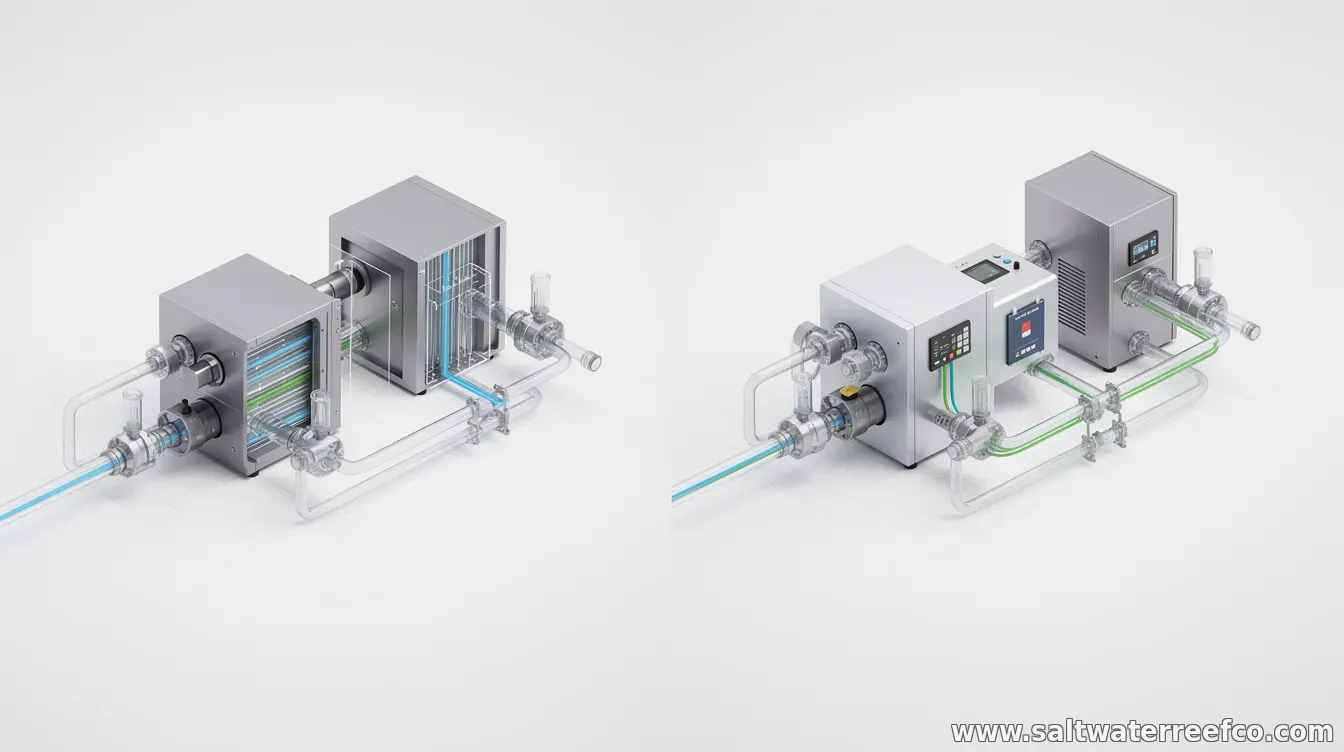
Dosing pumps are designed to deliver precise, repeatable amounts of solutions over time—reducing day-to-day fluctuations in water chemistry. In many applications, especially reef aquariums, this typically means maintaining stability for ions that drive alkalinity and calcium balance, while also managing additional elements such as magnesium. While both 2-part and 3-part systems rely on automated dosing, the core difference is the number of solutions used and how responsibilities are split between them. Understanding that split helps you choose a system that matches your setup’s needs, your target ranges, and how much tuning you’re willing to do. What a “2-part” dosing system doesA 2-part system usually combines the major targets into two separate solutions. One part is formulated to maintain alkalinity (often referred to as the “alk” component), and the other part supplies calcium. The intention is to keep these two linked parameters stable by dosing them in a consistent ratio that reflects your system’s consumption. Because there are only two solutions, many users find 2-part systems straightforward to set up and easier to troubleshoot. However, performance depends heavily on using reliable test methods and dialing in the correct dosing rates as your tank or process load changes. What a “3-part” dosing system addsA 3-part system expands on the same idea by introducing a third solution—commonly a magnesium component—alongside alkalinity and calcium. Magnesium plays a stabilizing role in water chemistry and can influence how effectively calcium and alkalinity remain balanced over time. In practical terms, a 3-part approach can reduce the chance of drifting off-target values as the system matures, particularly when magnesium becomes a limiting factor or when demand is more complex. The tradeoff is added complexity: you now have an extra line, reservoir, and calibration curve to manage. Which system is better for your goalsChoosing between 2-part and 3-part depends less on “better” and more on fit. A 2-part system may be a good match when your water chemistry is relatively stable, your magnesium levels are already controlled, and you want a simpler dosing workflow. A 3-part system is often favored when you want a more complete automation strategy for multiple targets or when maintaining magnesium reliability matters for your overall stability goals.
Setup basics: calibration, mixing, and safety checksNo matter which system you choose, dosing pumps must be calibrated. Start by measuring current values (alkalinity, calcium, and magnesium if using 3-part), then dose small, controlled adjustments and re-test to determine how much your system responds per unit of dosing. From there, you can convert consumption rates into daily dosing schedules. Also consider dosing stability and delivery: many users split dosing into multiple smaller injections throughout the day to minimize swings, especially for alkalinity. Ensure tubing runs are secure, keep reservoirs clean, and follow the manufacturer’s guidance for storage and compatibility. If you’re using an automated controller, confirm sensor placement and programming logic before relying on it for ongoing adjustments. Ultimately, both 2-part and 3-part dosing systems can help maintain tighter chemical stability than manual dosing alone. The best approach is the one that matches your system’s chemistry demands and your ability to measure and calibrate—so your pumps deliver exactly what you intend, day after day. | |
|
| |
Next & Previous posts