2:25 AM How to Relocate a Reef Aquarium Safely | |
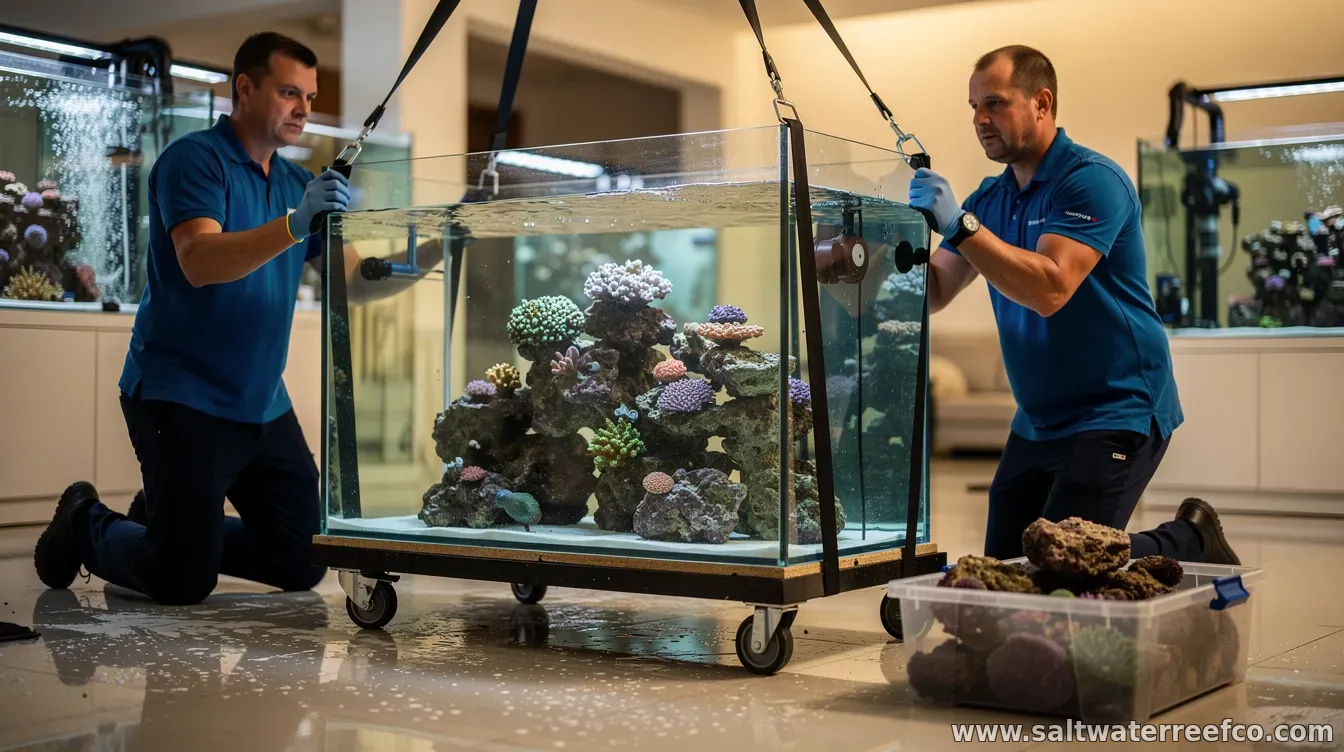
Moving a reef aquarium isn’t like transporting a freshwater tank. Corals, live rock, fish, and the beneficial bacteria that keep water chemistry stable all depend on temperature, oxygen, salinity, and low stress. With the right timeline and packing strategy, you can relocate your reef tank safely and minimize downtime. Start with a relocation plan—then build a timeline around it. Ideally, arrange your move so the display tank is out of stable conditions for the shortest possible time. Measure doorways, stairways, and the route to your new space, and confirm you can carry the tank without tipping risk. If the tank is heavy (common for reef setups), plan for moving equipment and at least one additional helper. Prepare water, gear, and “backup stability”Before moving day, set up replacement systems at the new location and ensure you have enough prepared saltwater for the transition. If possible, mix and store saltwater in clean containers at matching temperature and salinity, then aerate it so oxygen levels recover quickly. Keep heating and circulation ready for any holding containers so temperature swings and stagnant water don’t stress animals. Stock up on essentials: appropriately sized food-safe containers with lids (for animals and rock), a reliable heater for transport water, air pumps with battery backups, a thermometer, and water test kits. For reef systems, having test reagents and buffering supplies on hand can help you correct parameters faster once the tank is running. Move livestock in a low-stress sequenceOn move day, aim to reduce handling time and avoid temperature shock. Begin with fish and invertebrates, transferring them into covered, insulated containers filled with tank water. Keep the water volume high enough that temperature changes are slower, and add aeration if the transport will take more than a short trip. If you have delicate corals, plan their placement carefully and avoid direct sun and temperature swings during loading and unloading. Next, move live rock strategically. Keep rock submerged and packed to protect hitchhikers and beneficial microbes. Avoid washing or rinsing live rock with tap water, and keep the “season” of the rock intact by using tank water for transport. If the move is prolonged, your priority is maintaining oxygenation and keeping surfaces wet and temperature-matched. Preserve filtration and beneficial bacteriaOne of the most common causes of reef tank problems after relocation is disruption of biological filtration. If possible, keep filter media and any bio-bacterial surfaces wet and oxygenated using tank water rather than letting them dry out. For media that can be moved, transport it in sealed containers with water from the original tank. If you must pause filtration, do so for the shortest time and plan to restart biological processes immediately once the tank is in place. Decide how you will handle sand and substrate. If you can keep sand undisturbed, consider transporting it in a way that minimizes resuspension. Pouring, scooping, or aggressive stirring can release trapped debris and cause spikes in ammonia or other parameters. If you need to reset the substrate, do it with extra caution and allow for stabilization time. Reinstall the tank and stabilize parametersOnce the tank is placed in the new home, level it properly before powering equipment. Reconnect heaters, pumps, and powerheads, then refill with prepared saltwater. Reinstall live rock and corals carefully, keeping water movement gentle at first. Start filtration and circulation right away, and verify temperature as soon as power is on. After reintroducing livestock, test water frequently—especially for ammonia and nitrite, along with salinity, temperature, and pH. Even when everything goes well, relocating can cause biological shifts and measurable changes in chemistry. Perform targeted water changes only if parameters drift outside safe ranges, and avoid adding multiple stressors at once (new food, new dosing, major equipment changes) during the first stabilization window. Watch for stress signals during the first days. Corals may retract slightly, fish may hide, and minor color changes can occur. However, persistent symptoms like rapid respiration, widespread tissue issues, or consistently unstable ammonia/nitrite readings suggest a problem that needs prompt attention. If possible, keep backups for essential support—spare heaters, extra aeration, and contingency test kits—so you can respond quickly. Checklist for a safer reef move
With disciplined preparation and careful handling, you can relocate your reef tank while protecting the organisms and the fragile biology that make it thrive. If your tank is large or you’re unsure about the timeline, consider consulting a local reef specialist or having professional help for the move and setup—especially when weight, access, or equipment complexity becomes a factor. | |
|
| |
Next & Previous posts