1:26 AM How to Size a Protein Skimmer for Your Tank | |
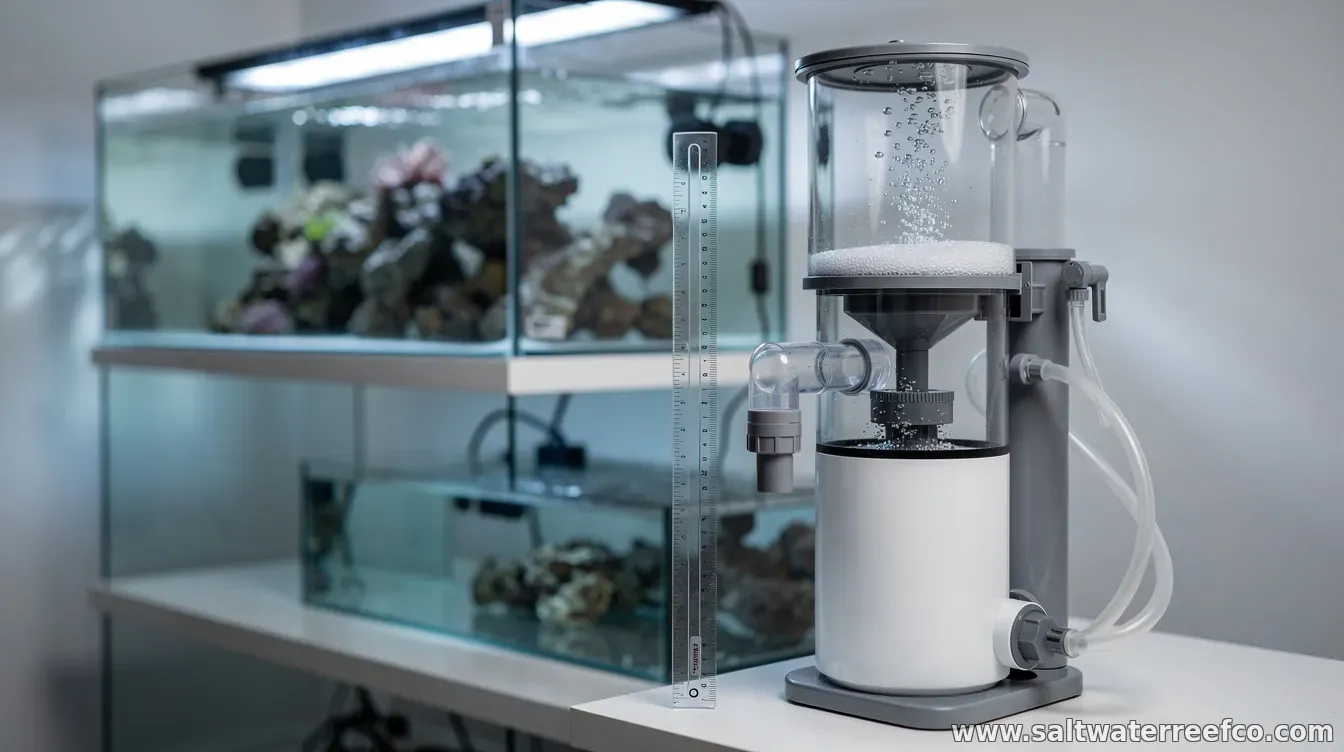
Protein skimmers are a common solution for reducing dissolved organics in marine (and some brackish) aquariums. But “oversized” and “undersized” skimmers both underperform: an undersized unit struggles to keep up with waste, while an oversized unit can be difficult to tune and may pull out nutrients faster than intended. Proper sizing comes down to a few measurable characteristics and an honest assessment of your tank’s bioload. Start with your tank type and setup The target capacity for skimmer selection depends on whether you run reef or fish-only systems, how heavily you feed, and whether you maintain stable filtration and aeration. In general, protein skimmers are most useful in systems with significant organic input—such as stocked reef tanks, wet skimmate collection plans, and high feeding routines. If your tank is lightly stocked with low feeding and you rely primarily on other export methods (macroalgae, frequent water changes), you may be able to run a smaller skimmer comfortably. Use bioload, not just tank volume Manufacturers often list a “tank size” range, but that rating can vary based on test conditions and assumptions about feed rate and water quality. A more reliable approach is to consider your bioload category: • Light bioload (lightly stocked, conservative feeding, strong nutrient export elsewhere) As bioload increases, you typically need a skimmer with more capacity than the bare tank volume suggests. Many hobbyists size toward the upper end of the manufacturer’s stated range—or slightly above—when aiming for consistent performance during busy feeding periods. Key sizing metric: airflow (air draw) and reaction chamberThe most important sizing variables are the amount of air the skimmer pulls in (air draw) and the skimmer’s ability to process that air-water mixture inside the reaction chamber. Better skimmers tend to produce a stable foam head and maintain performance across daily fluctuations in temperature and feeding. When comparing models, look for published air draw or pump specifications that indicate airflow potential. Even if two skimmers list similar “tank ratings,” the one with higher effective airflow and a reaction chamber built for sustained contact time is often the better match for higher bioload tanks. Practical steps to choose the right skimmer size1) Identify your target system volume and your realistic bioload. Use the tank’s display volume as a baseline, then account for total water volume if you’re operating on mixed sump volumes and turnover paths. Don’t ignore sump conditions and water depth Installation details strongly influence real-world skimming. Body-style and pump skimmers can behave differently depending on sump water level, baffles, and how easily the skimmer can draw stable air and water. Ensure the skimmer’s recommended operating water depth matches your sump design, and verify that the intake can pull air without restrictions. Even a properly sized skimmer can underperform if it’s starved of consistent air-water contact or runs outside its intended operating range. Dial-in expectations: wet vs. dry skimming Sizing also affects how you’ll tune foam. If you size right for your tank, the skimmer should reach a stable foam head with adjustments that don’t require constant tinkering. Many aquarists aim to collect skimmate with a balance—enough to remove organics, but not so aggressively that valuable dissolved nutrients drop too quickly for the aquarium’s needs. If you find yourself forced to run extremely “wet” foam to get results, that may be a sign the skimmer is undersized or not receiving the airflow/contact it needs. Measure performance after installation Rather than judging only by foam height, monitor outcomes. Track how the skimmer performs through normal feeding cycles, not just during the first day after adding it. Over the first couple of weeks, check indicators such as water clarity, nuisance organic buildup, and trends in nutrients (for example, how quickly nitrate and phosphate begin to drift when compared to baseline). If the skimmer’s export doesn’t improve those trends—or if it causes instability—reassess sizing and tuning parameters. When to oversize (and when to avoid it) Oversizing can be helpful for heavily fed, heavily stocked reef tanks where consistent organic export is hard to maintain. It can also be useful if you anticipate increasing fish load or changing feeding habits. However, if your tank is lightly stocked or you run additional nutrient export methods, an aggressively oversized skimmer may make it harder to maintain a balanced nutrient profile without frequent recalibration or more aggressive wet skimmate collection than intended. Bottom line To size a protein skimmer, match the skimmer’s effective performance—especially airflow and contact time—to your tank’s real bioload, and confirm it can operate correctly within your sump conditions. Start with the tank’s realistic waste output, choose a skimmer with adequate air-related capability, and tune based on stable foam head and consistent improvements in water quality. | |
|
| |
Next & Previous posts