0:43 AM Protein Skimmers, Sumps, and Circulation: A Basic Guide | |
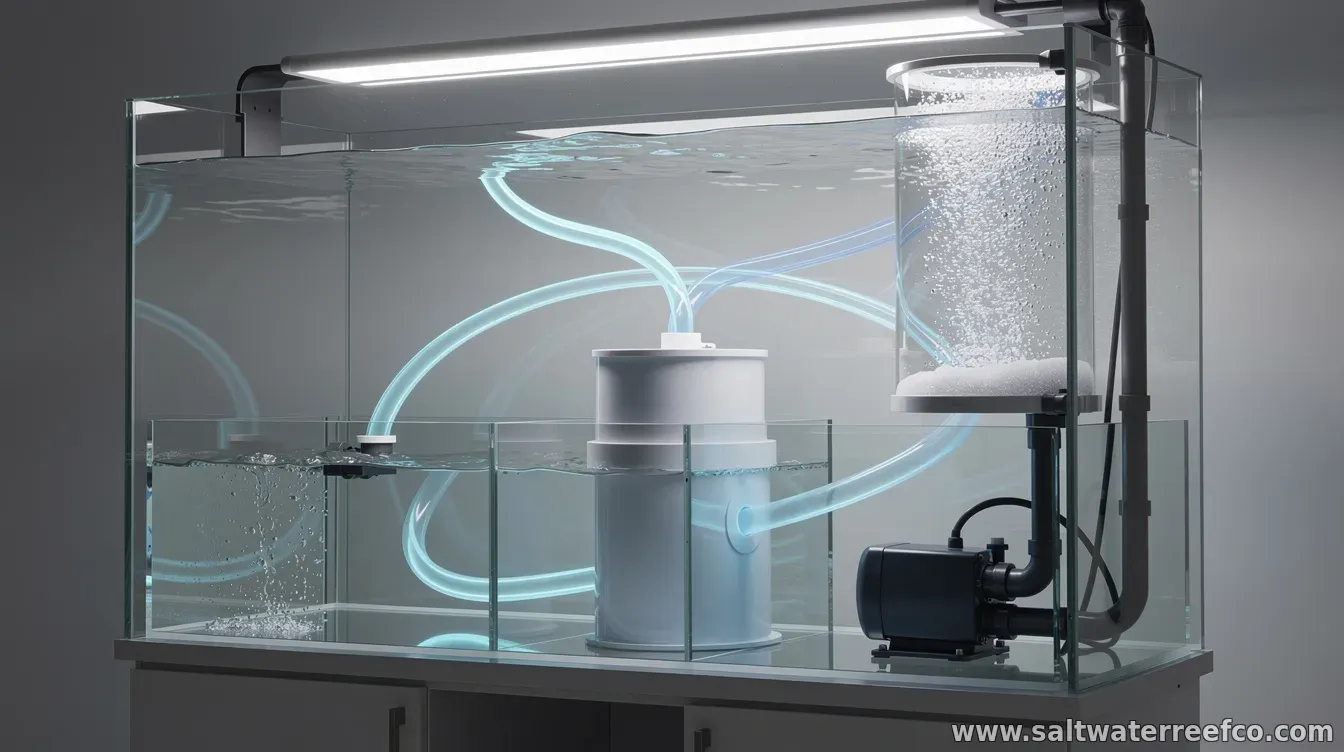
Protein skimmers, sumps, and circulation are often described as the “core systems” behind a healthy marine aquarium. While there are many brands and approaches, the underlying principles are consistent: remove dissolved organic waste before it breaks down, provide reliable water movement, and create enough system volume to buffer daily changes. Protein skimmers are designed to remove dissolved organic compounds (often called “DOCs”) that contribute to odors, cloudy water, and nuisance algae. Sumps expand total water volume and create a convenient place for filtration equipment. Circulation ensures water reaches filtration and that nutrients are kept suspended instead of settling in dead zones. 1) Protein skimmers: how they work and what to chooseA protein skimmer uses an air/water mixture (usually driven by a pump) to create tiny bubbles. Organic compounds in the water tend to attach to these bubbles and rise into a collection cup as foam. The result is a gradual removal of waste before it can be broken down further by bacteria. When choosing a skimmer, focus on compatibility and stability rather than just advertised “tank size.” Key factors include:
2) Sumps: why more water volume helpsA sump is a separate tank that sits below the display (DT) and receives overflow water. Beyond aesthetics, the practical benefit is added water volume, which helps smooth out temperature and salinity swings. A sump also organizes filtration equipment so maintenance is easier and equipment can be kept out of direct view. Common sump benefits include safer space for: a protein skimmer, mechanical filtration (if used), a refugium area (often for nutrient export), heaters, reactors, and a return pump. However, the exact design should match your goals and livestock. For example, heavily fed systems may benefit from more aggressive DOC removal, while fish-only setups might emphasize stable flow and simple maintenance. 3) Circulation: moving water without causing chaosGood circulation is about distribution and patterns. Water movement should prevent detritus from collecting, deliver oxygen and nutrients to the right places, and keep skimmer performance consistent by feeding it appropriate water. Instead of aiming for “maximum flow,” many successful systems focus on avoiding dead spots while using directional flow to create gentle, alternating movement in the display. In practice, this often means selecting powerheads or pumps that create varied flow paths and periodically update flow direction (for example, through wave timers or alternating settings). Balance matters: too little flow allows buildup; too much (especially in the wrong direction) can stress animals or blow sand/detritus into places you’d rather not have it. How they work together in a simple setupIn a typical setup, the overflow sends display water into the sump, where it may pass a skimmer intake and other filtration zones before being returned to the tank. Circulation in the display helps distribute nutrients and detritus while ensuring that filtered water is not “bypassed” by stagnant areas. A useful way to think about the system is: the skimmer reduces dissolved waste, the sump stabilizes volume and concentrates equipment, and circulation ensures the water you’re filtering is actually the water your tank needs. Common mistakes to avoidEven well-chosen equipment can underperform if the setup isn’t tuned. Two frequent issues are:
Other pitfalls include over-cleaning too aggressively (removing beneficial microbial populations), under-maintaining pumps and intakes, and expecting skimmers to “fix everything” without addressing feeding and overall water movement. Skimmers are powerful, but they work best as part of an integrated system. With patience, small adjustments, and attention to stability—especially water level and flow patterns—protein skimmers, sumps, and circulation can combine to produce clearer water and a more consistent environment for marine life. | |
|
| |
Next & Previous posts