3:04 AM How to Choose the Right Aquarium Filtration System | |
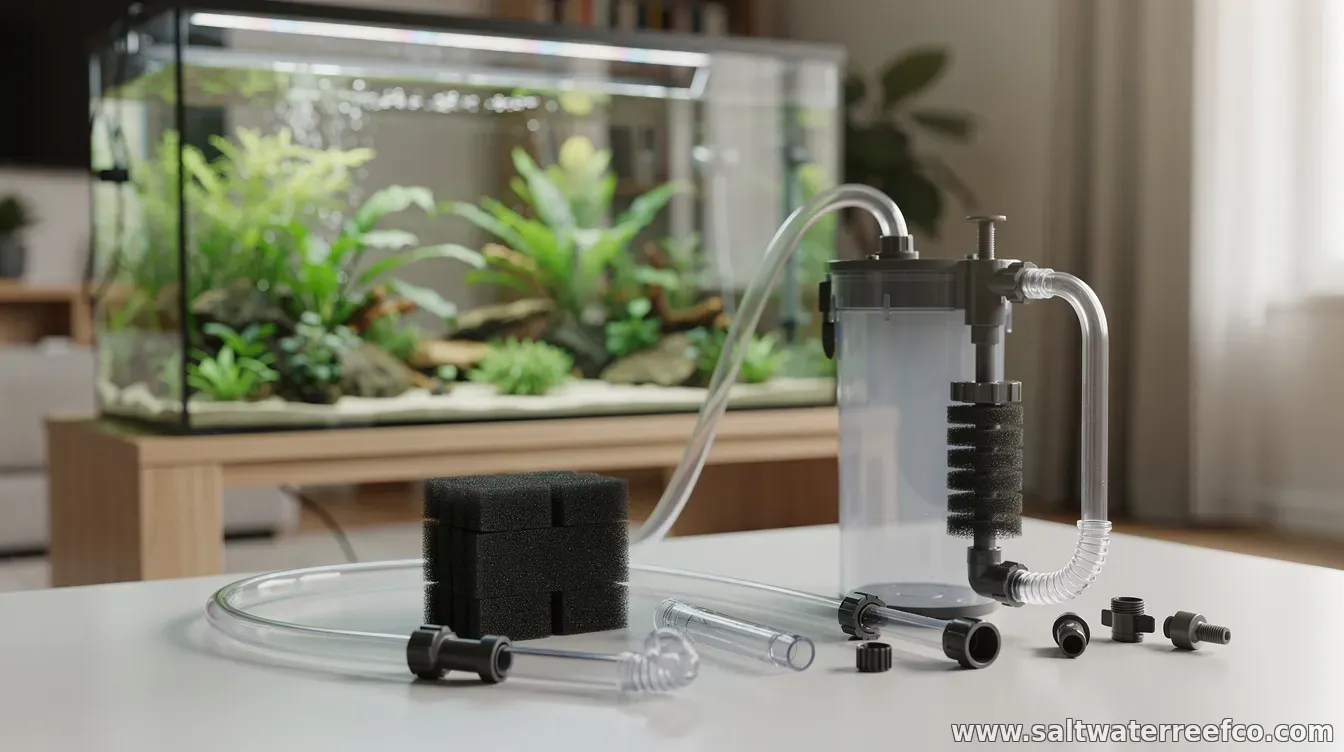
Choosing an aquarium filtration system can feel overwhelming because filters vary by type, flow rate, media, and maintenance needs. But the best option for your tank comes down to three core jobs: removing debris (mechanical filtration), managing water chemistry (chemical filtration), and turning toxic waste into safer compounds (biological filtration). Before comparing brands, start with your aquarium’s fundamentals—volume and stocking. A filter that’s correctly sized will process water fast enough to keep debris from building up, while also supporting a healthy colony of beneficial bacteria that breaks down ammonia and nitrite. 1) Match filtration to your tank size and bioloadFilter sizing is usually described by flow rate (how many gallons per hour) and the amount of media the unit can hold. However, “more flow” isn’t always better. For most community freshwater setups, you want enough turnover to circulate the tank without constantly blasting fish. The higher the bioload—such as with larger fish, heavy feeding, or multiple species—the more filtration capacity you’ll need. If you’re unsure, an easy rule is to choose a filter with ample media space for biological filtration, then confirm it can achieve reasonable circulation across the tank. In practice, this often means selecting a model rated for a slightly larger aquarium than yours, especially if the tank will be heavily stocked. 2) Understand the three filtration types: mechanical, chemical, biologicalMechanical filtration traps particles like uneaten food and waste. Media such as sponge, foam, or filter floss works best when it’s cleaned regularly enough to prevent clogging, while still not being replaced too frequently. Over-cleaning or fully replacing media can remove beneficial bacteria and destabilize water parameters. Chemical filtration targets dissolved compounds. Common media includes activated carbon, which can help with odors and discoloration, and specialized resins for specific goals. Chemical media is typically most useful as a short-term “reset” after disturbances—like new tank cycling, medication use, or after major feeding—but it doesn’t replace biological filtration. Biological filtration is the foundation of water safety in a mature aquarium. Beneficial bacteria live on the surface of porous media such as sponge, ceramic rings, bio-balls, or moving beds. A strong biological stage requires stable conditions and media that won’t be regularly swapped out. 3) Pick a filter type that fits your setupDifferent filter designs excel in different scenarios:
For many beginners, an HOB or canister filter is a practical entry point because it combines biological support with convenient mechanical cleaning. For tanks that prioritize gentle flow or house sensitive species, sponge filtration can be the best fit. Whatever filter type you choose, plan for oxygen and water circulation. Many filters also increase surface agitation, which supports gas exchange—an often overlooked benefit for tank stability. 4) Consider flow rate, intake safety, and maintenance effortFlow affects how well the filter distributes oxygen and removes waste from different areas of the tank. Aim for strong circulation without creating stress. If you keep small fish, fry, or shrimp, check intake safety—some systems need pre-filters or mesh guards to prevent accidental suction. Maintenance is where many good filters fail long-term. Look for designs with accessible media baskets, straightforward cleaning procedures, and replacement parts that are easy to source. Ideally, your routine should include partial media rinsing in removed tank water (not tap water) and avoiding complete media replacement unless the manufacturer specifically recommends it. Also evaluate noise and heat. Some power filters add a slight increase in temperature due to motor operation, while others are designed to run quietly. If your tank is in a living space or bedroom, quiet operation may be a key deciding factor. Finally, be realistic about chemical media. Activated carbon eventually becomes saturated, so leaving it in permanently without checking schedules may limit usefulness. If you use carbon, consider replacing it on a predictable cycle—or when you notice odor or discoloration returning. In short, choose a filtration system that is correctly sized, offers strong biological capacity, and matches your tank’s needs for mechanical and chemical stages. When you prioritize media space and stable beneficial bacteria over chasing maximum flow, you’ll set up your aquarium for long-term water clarity and healthier fish. | |
|
| |
Next & Previous posts