1:01 AM RO/DI Water: Why It’s the Foundation of a Healthy Aquarium | |
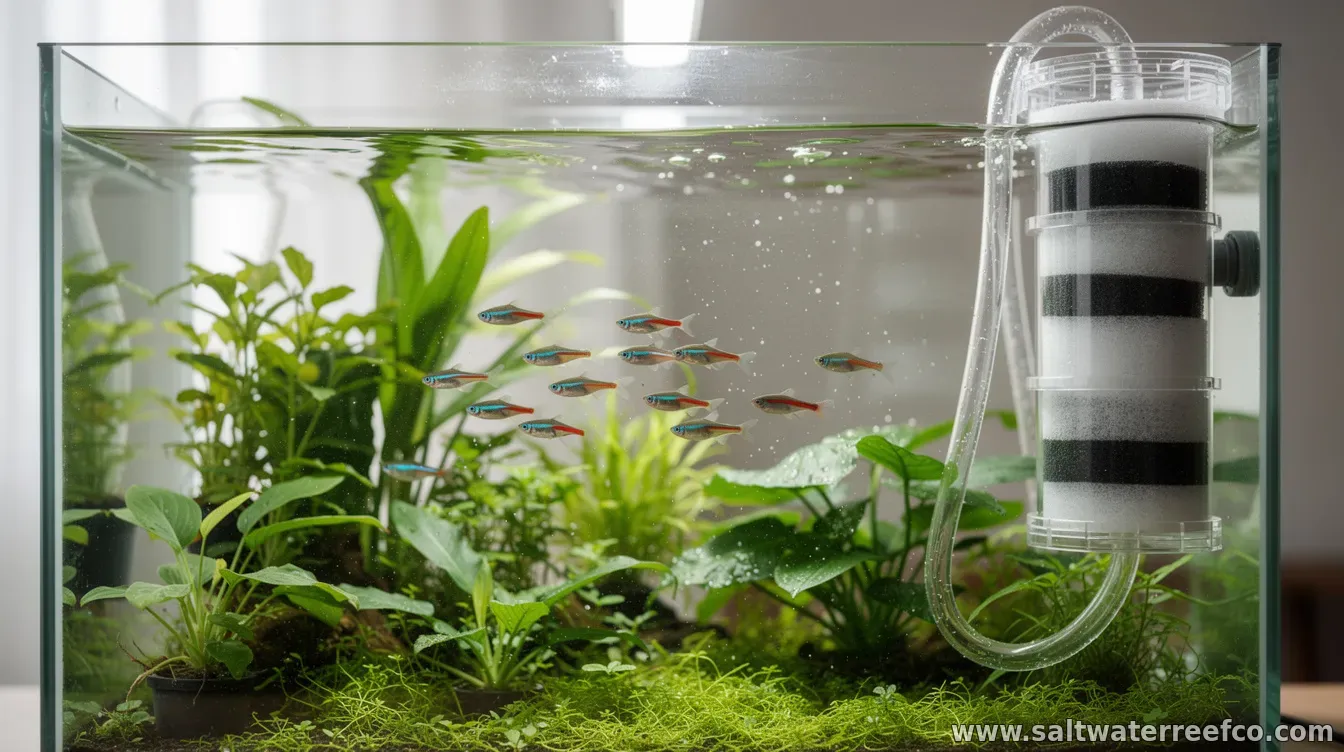
Every successful aquarium starts with reliable water quality. While many tap supplies look clear, they can contain dissolved minerals, metals, chlorine/chloramine, and other impurities that slowly build up and interfere with biological stability. That’s where RO/DI water comes in: it’s widely used by hobbyists because it strips contaminants down to a very low level before you add salt (for marine tanks) or remineralize for specific freshwater needs. What RO/DI water is “RO” stands for reverse osmosis, a process that pushes water through a semipermeable membrane to remove a large portion of dissolved solids. “DI” stands for deionization, a polishing step that removes the remaining trace ions using ion-exchange media. Together, RO/DI produces water with extremely low dissolved content, giving aquarists a consistent base to work from. Why RO/DI matters for aquarium stabilityAquarium systems are sensitive to changes in dissolved substances. Even when these contaminants are present in small amounts, they can affect key parameters over time—such as hardness, alkalinity, and the overall ionic balance. Using RO/DI reduces the amount of “unknown” input from your water source, which makes it easier to hit and maintain the values your livestock need. 1) Less mineral buildup and easier control 2) Better results for reef tanks and trace-element dosing 3) Reduced silicates and improved long-term clarity RO/DI in practice: choosing, testing, and maintainingOwning an RO/DI unit isn’t only about producing water—it’s about producing reliable water. Hobbyists commonly use a TDS meter to verify performance. If your unit’s output TDS rises above your usual baseline, it may be time to replace the DI resin or service the RO membrane. Regular maintenance helps avoid “gradual drift,” where the system continues running but effectiveness slowly declines. For marine tanks, aquarists typically mix RO/DI water with marine salt to reach the desired salinity and salt mix specifications. For freshwater, many keepers remineralize RO/DI to match the needs of the species—since RO/DI water alone is often too low in minerals for long-term stability without adjustment. Conclusion: RO/DI is a foundation, not a shortcut | |
|
| |
Next & Previous posts