0:57 AM Top 5 Mistakes Beginner Saltwater Aquarists Make | |
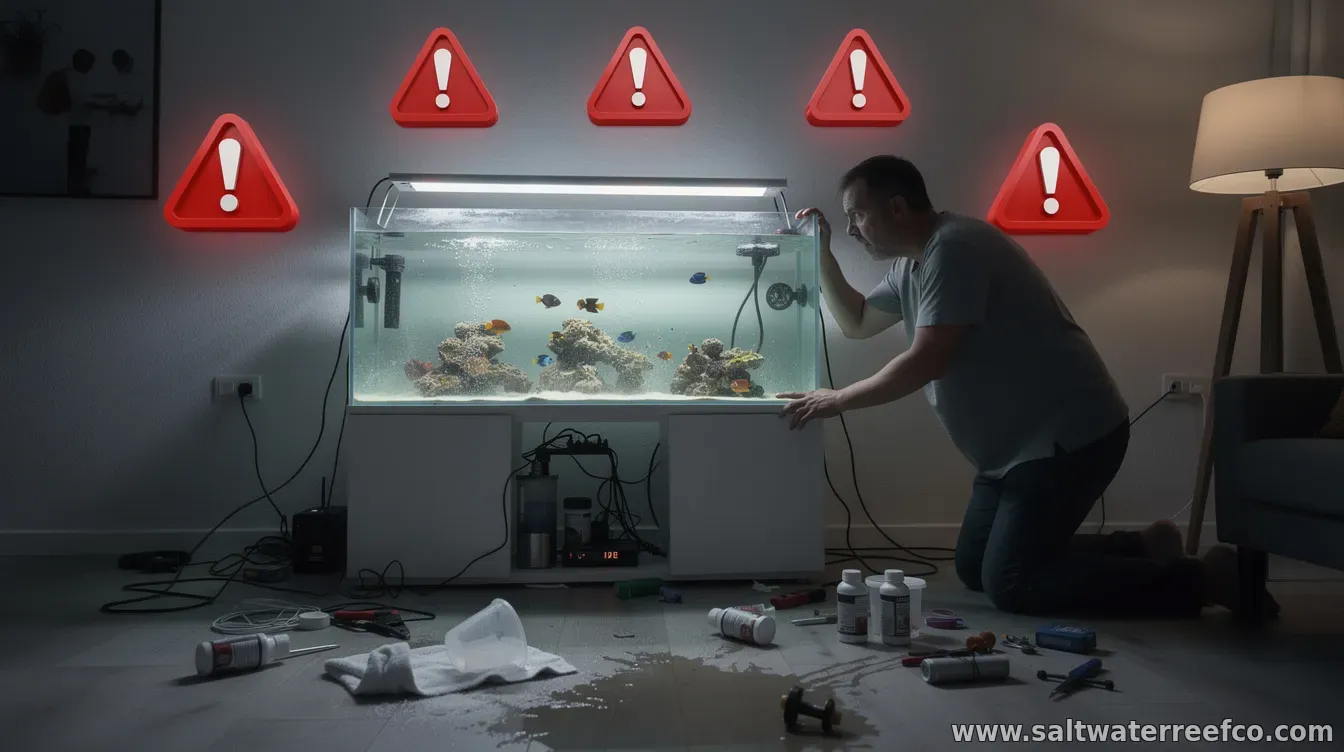
Saltwater tanks are rewarding, but they’re also less forgiving than freshwater setups. Many beginners run into the same problems because they underestimate how quickly water chemistry, temperature, and biology affect reef and fish health. 1) Rushing the tank before it’s readyOne of the most common mistakes is adding livestock too soon. After setting up equipment and filling the tank, beneficial bacteria still need time to establish a stable nitrogen cycle. When fish are added early, ammonia and nitrite can spike, stressing or harming animals. What to do instead: Run the tank through a full cycling period and add livestock gradually, monitoring water parameters consistently. 2) Skipping or guessing water testingBeginners often rely on “it looks fine” rather than testing. In saltwater, key measurements like salinity, ammonia, nitrite, nitrate, pH, alkalinity, and temperature can drift without obvious visual signs—especially in new or lightly stocked tanks. What to do instead: Use reliable test kits and/or an appropriate testing routine, and adjust only one variable at a time. Sudden swings from over-corrections can be just as harmful as high readings. 3) Getting the wrong saltwater mix or salinity levelUsing old salt mix, mixing it inconsistently, or failing to match a stable salinity target can lead to stress, poor growth, and health issues. Salinity changes can also complicate acclimation for new animals. What to do instead: Mix saltwater thoroughly with the correct salinity using a dependable refractometer/hydrometer (and keep mixing water at the right temperature). Test your prepared water before it goes into the tank. 4) Choosing livestock that doesn’t match the tank’s maturityAnother frequent beginner error is selecting animals based on popularity rather than tank conditions and experience level. Some fish, corals, and invertebrates require stable parameters, strong lighting, or specific flow and feeding routines—conditions that are difficult to maintain in an immature aquarium. What to do instead: Start with hardy species suited to your setup and let the tank mature before moving to more demanding choices. Feed appropriately and avoid stocking too quickly. 5) Underestimating equipment and maintenance demandsSaltwater systems rely on consistent filtration, oxygenation, temperature control, and good husbandry. Many beginners buy equipment but don’t calibrate it, don’t plan for ongoing maintenance, or overlook essentials like regular water changes and media management. What to do instead: Build a maintenance schedule early, keep equipment functioning within expected tolerances, and perform water changes with properly mixed saltwater. Bottom line: the fastest way to succeed in saltwater is to prioritize stability—especially during the first weeks. Take your time with cycling, test regularly, match salinity carefully, choose livestock that fits your tank’s maturity, and treat maintenance as part of the system, not an afterthought. | |
|
| |
Next & Previous posts