11:54 PM Top 5 Mistakes New Reef Hobbyists Make | |
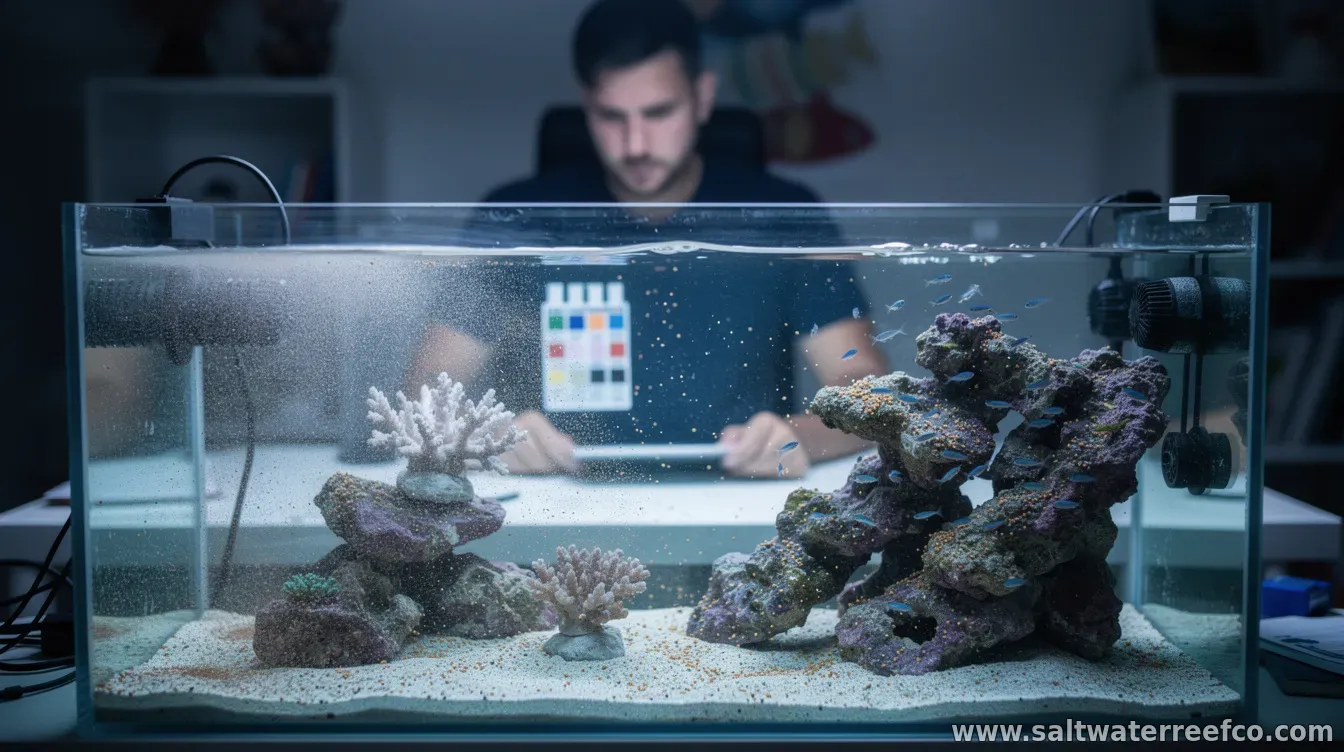
Starting a reef tank is exciting, but the first months can be unforgiving. Many problems don’t come from “bad luck”—they come from predictable early mistakes that stress livestock and derail stable water conditions. Below are five of the most common missteps new reef hobbyists make, along with practical ways to get on track. 1) Rushing the cycleOne of the biggest mistakes is putting fish or corals into the tank before the nitrogen cycle is fully established. In a new aquarium, beneficial bacteria are still building up, so ammonia and nitrite can spike—often leading to stress, illness, or death. Better approach: Use a reliable test kit and confirm that ammonia is processed to nitrite, and then to nitrate (with stable readings). Consider giving the tank extra time to stabilize, especially if you’re starting with live rock and dry rock. 2) Not testing water often enoughMany newcomers check salinity occasionally and assume everything else is “fine.” But reef systems are sensitive to changes in pH, alkalinity, nitrate, phosphate, calcium, and magnesium. Skipping testing can turn small issues into bigger ones—like algae blooms, slowed coral growth, or declining coloration. Better approach: Test regularly during the first months and when you make equipment or maintenance changes. Alkalinity and salinity are especially important if you plan to keep corals. 3) Overfeeding and adding livestock too fastNew tanks often get stocked quickly, and feeding schedules get heavier than the tank can handle. Extra nutrients (from food and waste) increase nitrate and phosphate, which can fuel nuisance algae and make it harder for corals to thrive. Better approach: Add livestock gradually and feed conservatively. Focus on nutrient stability rather than trying to “power through” with frequent water changes. 4) Ignoring salinity and salt mix consistencySalinity swings can stress fish and suppress coral health. Another common issue is using inconsistent mixing practices—different temperatures, inaccurate measuring, or swapping salt brands without accounting for variation. Better approach: Mix saltwater with proper temperature matching and measure with a dependable refractometer or salinity meter. Keep top-off routines consistent so the salinity doesn’t drift. 5) Choosing the wrong equipment (or skipping essentials)Some beginners buy impressive gear that doesn’t match their goals, while others skip foundational tools like a quality heater, stable temperature control, appropriate filtration, or adequate circulation. Poor flow can cause detritus buildup and leave corals in low-oxygen zones. Better approach: Build around stability first: reliable temperature control, appropriate flow for your tank size, and a plan for lighting and filtration that fits the animals you intend to keep. If you’re not sure, prioritize fundamentals over upgrades. Reef keeping rewards patience. If you avoid these five early mistakes—cycle on time, test consistently, add livestock slowly, keep salinity stable, and choose equipment that supports long-term stability—you’ll give your aquarium the best chance to mature into a healthy reef. | |
|
| |
Next & Previous posts