3:07 AM Filtration Failures: How to Spot Them Early and Limit Damage | |
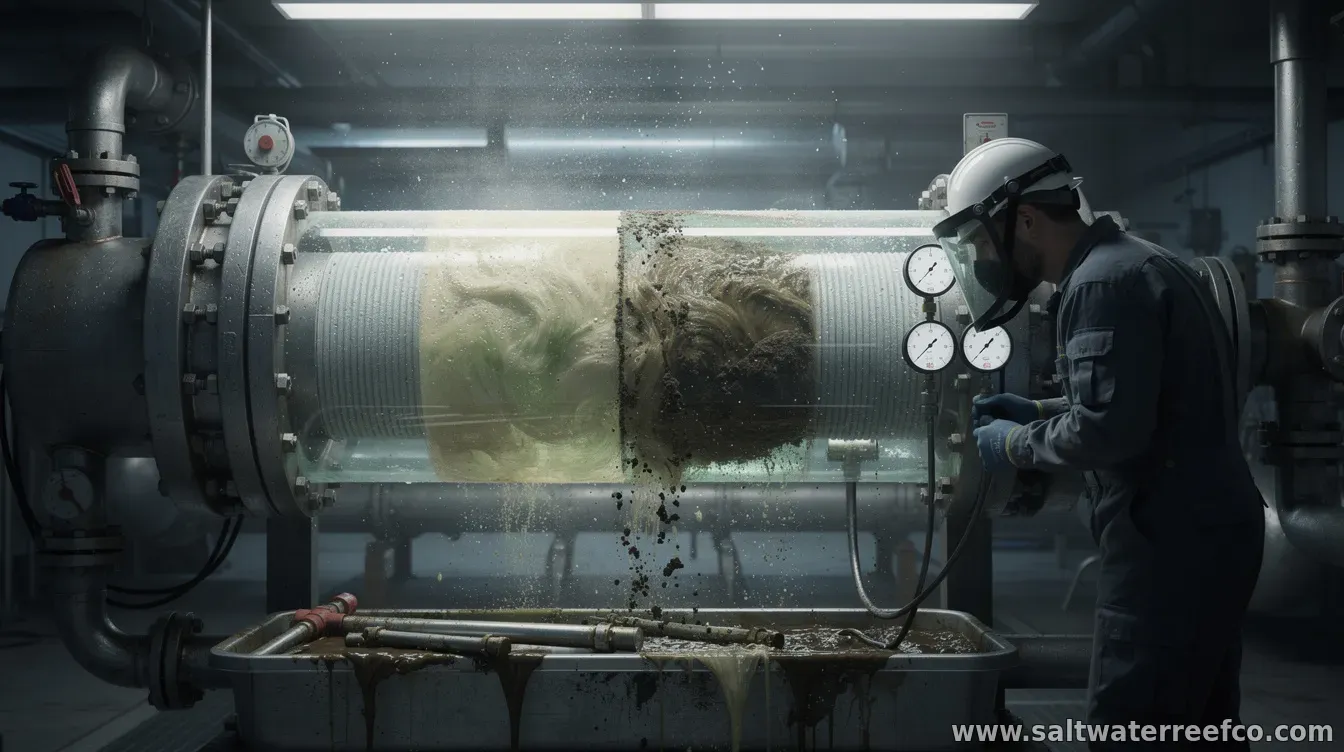
Filtration failures rarely announce themselves with a single dramatic event. More often, they begin as subtle changes in performance—followed by rising pressure, irregular flow, premature media clogging, or deteriorating output quality. When detected early, teams can intervene with targeted checks and avoid costly downtime, compliance problems, or equipment damage. Below are practical, widely used ways to spot filtration problems early and limit the damage when something starts to go wrong. Watch the “signal” indicators, not just the end resultMany filtration systems provide measurable signals that reflect what the filter is doing inside the housing. Monitoring these trends—rather than relying only on final product or environmental measurements—can reveal issues earlier. Key patterns include abnormal changes in differential pressure (ΔP), flow rate drift, unexpected increases in pump load, and fluctuations in outlet turbidity or particle counts. If a system typically operates within a predictable ΔP range, even gradual movement out of bounds can be an early warning. Use early detection checks during routine roundsDuring scheduled inspections, teams should compare current readings to baseline values and verify that instruments are behaving correctly. A filtration failure can be caused by the filter media itself, but it can also be driven by upstream conditions or sensor faults. Consider a quick verification approach: confirm ΔP is rising or falling as expected, check whether flow is staying stable, inspect for visible leaks around housings or seals, and ensure valves are positioned correctly. If readings don’t match observed behavior, instrument validation (calibration checks or cross-checking with a secondary gauge) should come early in the troubleshooting process. Identify common failure modes before they escalateDifferent filtration issues produce different symptoms. For example, rapid ΔP rise may point to media clogging, fouling, or excessive particulate loading. Meanwhile, unexpectedly low ΔP can indicate bypass paths, improperly installed elements, damaged seals, or gaps that allow unfiltered flow. Another recurring pattern is “media behavior mismatch”—when the filter reaches a cutoff sooner than expected or shows signs of channeling. Channeling can reduce filtration effectiveness even if ΔP doesn’t escalate dramatically. Tracking run-to-run performance (how quickly pressure rises, how long cycles last, and how outlet quality changes) helps distinguish normal aging from abnormal failure. Limit damage with clear stop-and-check thresholdsOnce a filtration anomaly is detected, the goal is to prevent short-term problems from turning into longer outages or system-wide contamination. Facilities typically reduce damage by defining action thresholds ahead of time: what level of ΔP change triggers escalation, when to verify differential pressure versus flow, and when to pause operations to protect downstream equipment. Good thresholding is tied to the risk of the process. In critical applications, early intervention may mean stopping flow and isolating the filter housing. In lower-risk scenarios, teams might first perform controlled checks—such as confirming valve positions, reviewing upstream pressure, and assessing whether debris loading has spiked—before deciding on replacement. Strengthen maintenance with learning loopsMaintenance best practices improve over time when teams treat each failure as data. After an event, document the timeline: when ΔP started to deviate, how outlet performance changed, what upstream conditions were present (for example, process adjustments or feed variability), and what the filter looked like at removal. Organizations that keep these records can refine replacement intervals, improve media selection, and adjust pre-filtration or upstream straining strategies to prevent overload. The result is fewer repeat failures and faster troubleshooting when the next anomaly appears. Ultimately, filtration reliability depends on visibility and response speed. By watching the right indicators, validating measurements early, recognizing typical failure modes, and acting within pre-defined thresholds, teams can spot filtration failures sooner—and limit both operational damage and risk. | |
|
| |
Next & Previous posts