11:25 AM Case Study: Building a 600-Gallon In-Wall Reef Aquarium | |
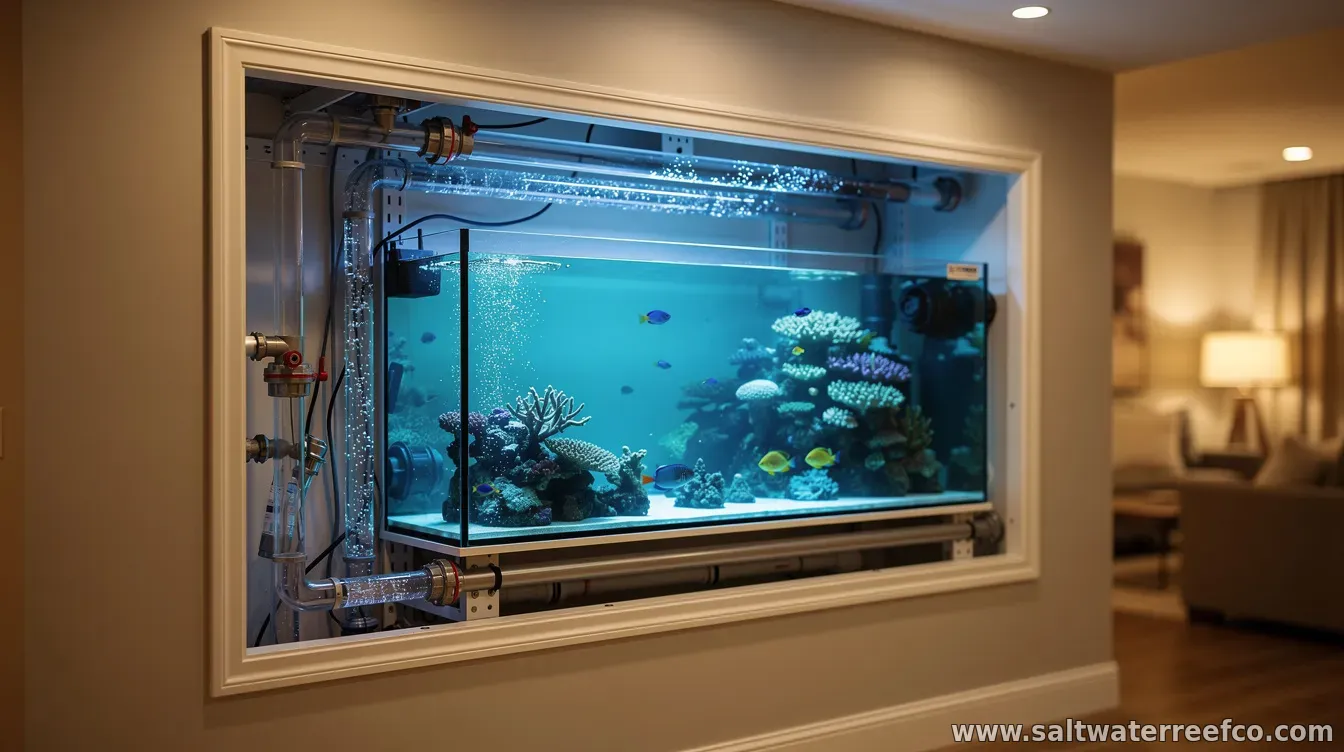
A recent case study documents the end-to-end build of a 600-gallon in-wall reef aquarium, turning a dedicated wall cavity into a fully integrated display system. Beyond aesthetics, the project focuses on engineering decisions that keep the tank level, the plumbing accessible, and the water chemistry predictable over time. In-wall installations add complexity compared with a traditional stand-mounted tank. With the reef display recessed into a wall, the build must account for load distribution, vibration control, and maintenance access—especially for life-support equipment and leak-prevention details. Structural planning came first. The case study emphasizes verifying the supporting framing and selecting a layout that can safely carry the tank’s weight once filled. Because a 600-gallon system includes not only the water column but also the mass of rock, sand, and equipment, the designers prioritized even load transfer and durable, moisture-tolerant materials around the enclosure. Filtration and flow were designed as a system, not a component. Rather than treating filtration as an afterthought, the project outlines how pump placement, return routing, and circulation patterns were coordinated to support stable nutrient export and consistent oxygenation. For reef aquariums, small imbalances can become chronic problems, so the build focuses on achieving reliable turnover and predictable maintenance intervals. Plumbing and leak-proofing standards were central to the build. The authors describe a careful approach to routing lines, selecting appropriate fittings, and ensuring that critical connections remain accessible for inspection. In an in-wall environment, preventing failures from spreading into surrounding structures is as important as the plumbing working during initial setup. The case study also addresses how the enclosure affects heat and humidity. With electrical equipment and warm, humid air potentially trapped within wall cavities, ventilation strategy and equipment placement become practical reef-keeping considerations rather than just construction details. Maintenance access shaped the final layout. Since tanks this size require ongoing tasks—testing, topping off, media changes, and periodic component checks—the design accounts for operator reach and tool clearance. The project notes that planning access early helps avoid delays and compromises once livestock and rock are in place. Finally, the build highlights a staged start-up approach: allowing the system to stabilize before introducing sensitive reef organisms. The case study presents the in-wall aquarium not as a single “install day” event, but as a long-term operation where early engineering choices directly influence how smoothly the display can be maintained. Takeaway: A 600-gallon in-wall reef aquarium succeeds when the build treats structure, water movement, plumbing integrity, climate control, and maintenance workflow as one integrated design. Done well, the result is a high-impact reef centerpiece that’s both visually seamless and operationally sustainable. | |
|
| |
Next & Previous posts