0:42 AM A Beginner’s Guide to Choosing Your First Corals | |
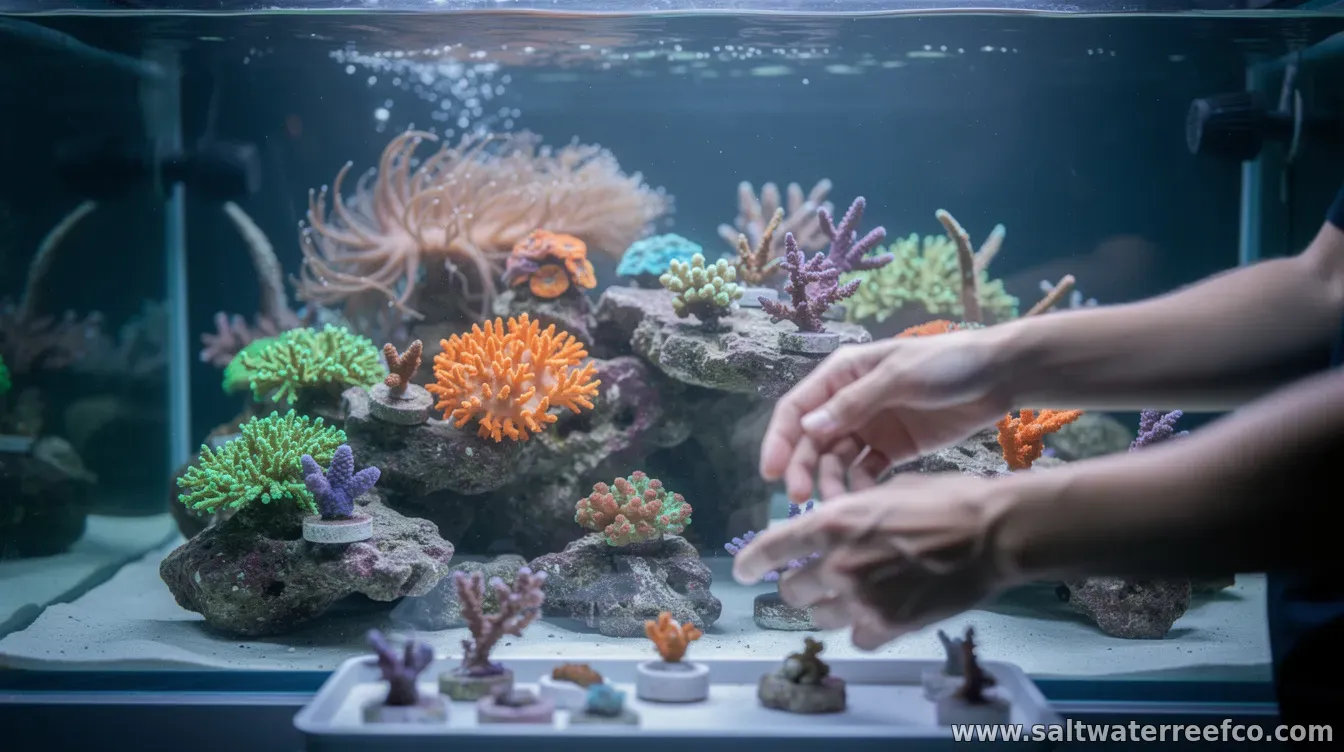
Starting a reef tank is exciting—but the choices are also where many beginners run into trouble. The good news is that “best” coral for you usually comes down to three factors: the current stability of your aquarium, your lighting and water flow, and how much time you can commit to testing and maintenance. Before you select a coral, treat your tank like the foundation of the project. Most beginners aim for a system that has cycled and is running consistently, because even hardy corals struggle when swings in temperature, salinity, or nutrients are frequent. Prioritize hardiness and forgiving growth stylesIf you’re new to reef keeping, look for corals known for being relatively resilient under typical beginner setups. Many aquarists start with soft corals and some hardy LPS (large polyp stony) varieties, since they can be less demanding than delicate SPS (small polyp stony) corals—especially in early months. Common “starter” categories often include mushrooms (soft, adaptable), certain zoanthids (when placed properly), and well-established beginner LPS options like some hammer or torch-type corals from reputable sources. Your local store’s recommendations matter, but “hardy” also depends on matching the coral to your tank’s conditions. Match corals to your lighting and water flowCorals aren’t one-size-fits-all. Lighting intensity and spectrum influence how well photosynthetic corals perform, while water flow affects feeding, gas exchange, and detritus buildup. Before purchasing, verify what your tank can deliver—especially if you’re using LEDs, how high your fixtures sit above the water, and whether you have adjustable flow. As a practical rule of thumb, place “low to moderate light/flow” corals in areas with gentler circulation and consider shelving or diffused positions for early attempts. For corals that prefer stronger flow, avoid placing them in corners where debris collects or where flow is dead. Start small: choose fewer species at firstOne of the simplest ways to increase success is to limit variety early on. Adding multiple corals at once can turn troubleshooting into guesswork—was the issue lighting, placement, water chemistry, or stress from shipping? By starting with one or two corals, you learn your tank’s behavior and can adjust conditions before expanding. Consider spacing out additions over days or weeks. This approach helps you keep an eye on polyp extension, coloration, and feeding response (when applicable), without pushing the tank harder than it can handle. Inspect carefully and buy from reliable sourcesNot all “beginner-friendly” corals are healthy when they arrive. Choose specimens that show normal tissue expansion, clear coloration, and no signs of excessive retraction, tissue loss, or pests. If possible, ask the seller how long the coral has been in their system and whether they’ve observed stable growth. Transport can stress corals, so acclimation matters. Even a hardy coral can struggle if it’s not acclimated properly to your tank’s temperature and chemistry. Also, quarantine is a smart habit—particularly if you’ve previously introduced new livestock or you’re concerned about pests. Plan for testing, patience, and placementCorals reward consistency. Build a routine around water testing and basic husbandry: monitor salinity, temperature, and key parameters used in reef systems, and respond quickly if anything drifts. Many beginner problems happen because a tank “seems fine” visually while parameters fluctuate behind the scenes. Placement is another often-overlooked variable. Don’t just “put it where it fits”—think about how the coral will be affected over time. Consider how your flow patterns are distributed, whether it will be shaded by other growth, and whether it can be safely kept away from aggressive neighbors (including other corals or fast-growing species). What a good first-coral plan looks likeA simple strategy is to start with one coral that matches your current lighting and flow, observe how it adapts, then add a second coral that complements your tank’s strengths. Over time, you’ll learn the micro-hotspots and sweet spots in your aquarium—where corals actually do well. With the right match and steady conditions, your first coral is more than a purchase—it’s the start of a feedback loop. Test, adjust, observe, and then expand gradually as your reef tank becomes more stable. | |
|
| |
Next & Previous posts