4:35 AM Locally Grown vs. Imported Corals: Key Differences | |
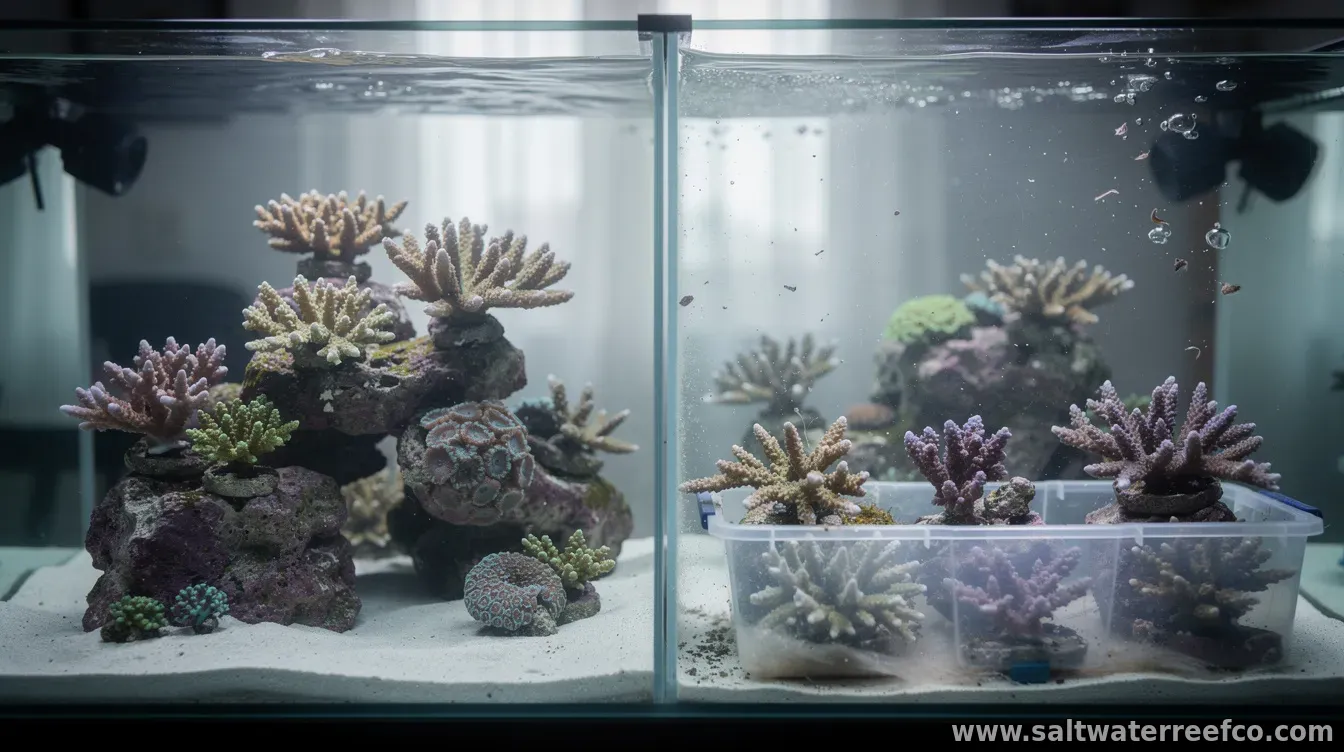
As aquarists and restoration groups look to build resilient reefs and showpiece displays, coral sourcing has become a major deciding factor. Two common options are “locally grown” corals—grown in regional nurseries—and “imported” corals, brought in from other countries or distant regions. While both can support reef-friendly goals, they often differ significantly in survival odds, environmental footprint, and compliance requirements. Origin, growth conditions, and adaptationLocally grown corals typically start and mature in conditions closer to the buyer’s local water chemistry and temperatures. That can mean the corals are already acclimated to regional light levels, temperature ranges, salinity, and typical water flow patterns. Imported corals may have begun life elsewhere and only later adapt to new conditions, which can increase the risk of stress during transition. In practice, the “best” coral is not simply the newest arrival—it’s the one that can cope with the receiving environment. Local nurseries may also be able to grow colonies under protocols tailored to the species and the local restoration or aquarium goals. Transportation stress and survival after purchaseOne of the biggest differences is the journey. Imported corals often travel longer distances and spend more time in transit, which can affect tissue health and stress resilience. Even with best-practice shipping, changes in temperature, light exposure, and water quality during transport can contribute to decline after arrival. Locally grown corals generally have shorter transport times and less time out of stable water conditions. That doesn’t guarantee success—corals still require proper acclimation, stable parameters, and careful handling—but it can improve the odds for healthier establishment. Regulation, permitting, and traceabilityCoral trade is heavily regulated in many jurisdictions due to ecological risk, species protection, and conservation concerns. Imported corals may come with complex permitting requirements, documentation, and chain-of-custody rules to demonstrate legal collection and transport. Buyers often need to confirm details such as species identification, origin, and compliance status. Locally grown programs also operate under oversight, but the processes can be simpler for regional buyers because the paperwork and provenance can be clearer within the same country or region. Regardless of sourcing, reputable suppliers should provide documentation and transparent tracking—especially for threatened or protected species. Environmental footprint and sustainability goalsFrom an environmental standpoint, shipping and handling can influence overall impact. Shorter regional distribution for locally grown corals may reduce transport-related emissions and the likelihood of shipping-related mortality. That can align better with “less harm, more help” sustainability goals. However, sustainability isn’t only about distance. The most important factor is whether corals are produced responsibly—using practices that avoid damaging wild reefs, maintain genetic diversity, and support long-term production rather than one-time extraction. Buyers should ask whether the nursery uses aquacultured propagation, fragmentation methods, or other non-wild collection strategies. For restorers and aquarium hobbyists, the decision often comes down to balancing three priorities: coral health after transition, legal compliance, and the supplier’s long-term credibility. Locally grown corals can be especially compelling when the goal is strong establishment with lower transport stress, while imported corals may offer access to species or varieties not commonly produced locally. Whichever option is chosen, success typically depends on careful acclimation and stable husbandry: consistent water parameters, appropriate lighting intensity, suitable flow, and adequate quarantine or observation when required. Even high-quality corals can struggle if placed into unstable conditions. Ultimately, the “best” coral source is the one that is legally sourced, transparently documented, and produced using methods that prioritize coral welfare and reef conservation. As more regional nurseries expand, locally grown options may become a practical default—supporting both reef sustainability and the long-term health of the systems receiving these living animals. | |
|
| |
Next & Previous posts