1:23 AM Warning Signs Your Water Parameters Are Off Before Coral Loss | |
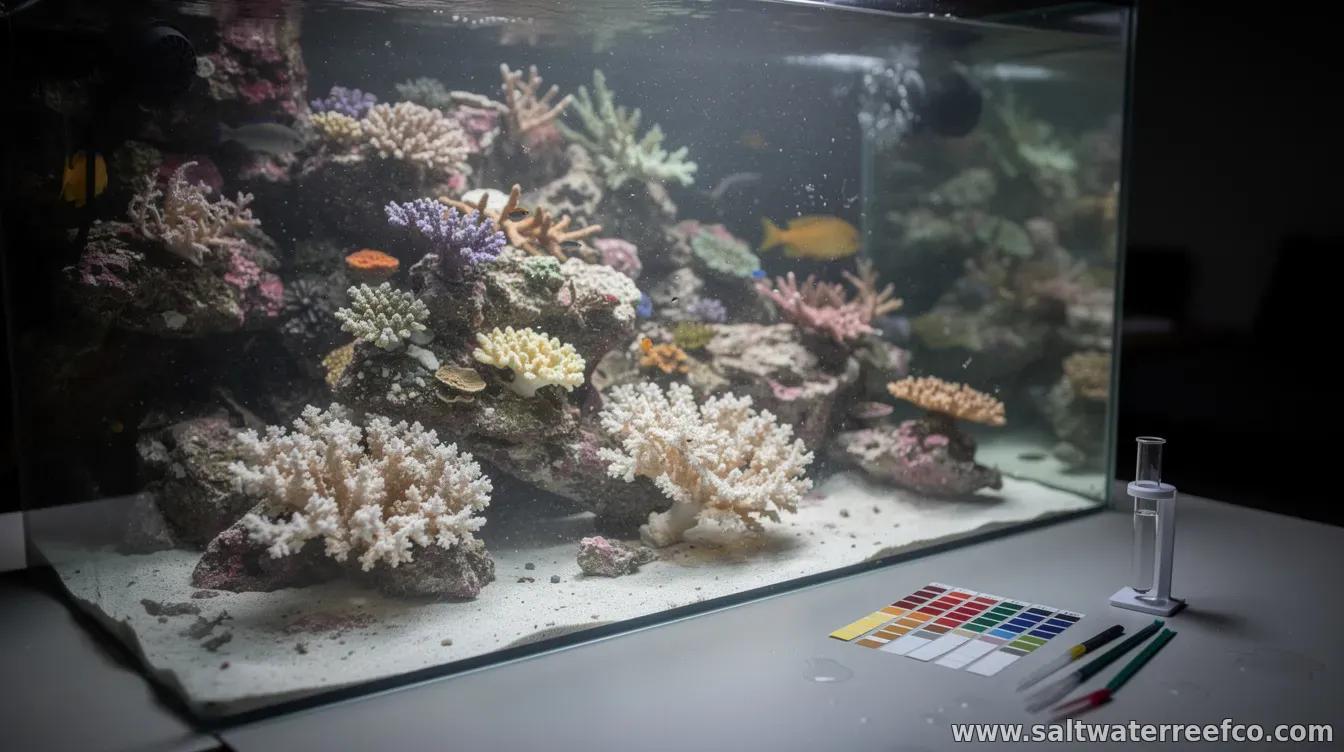
Coral ecosystems can deteriorate quietly before any dramatic color change. While mass bleaching is often linked to heat stress, reefs also suffer from a buildup of “invisible” water-quality problems—such as swings in salinity, nutrient pollution, and destabilized pH and alkalinity. Catching these warning signs early can improve survival chances for corals and reduce long-term reef decline. 1) Temperature stress: the most common early triggerCorals respond fast to temperature shifts. In many regions, warming water elevates the risk of bleaching, but rapid day-to-day changes (not just high averages) can also destabilize coral health. Watch for prolonged periods above seasonal norms and for heat waves that last long enough to stress symbiotic algae. Early signs may include paling at the edges of colonies, slower tissue response after disturbance, or reduced extension in soft and stony corals—often before full bleaching is obvious. 2) Salinity swings: stress without dramatic visualsEven if corals don’t bleach immediately, salinity changes can disrupt osmoregulation and increase susceptibility to disease. Salinity can shift after heavy rain, freshwater runoff, evaporation, or changes in circulation. In aquariums, it may also shift if top-off systems malfunction or if water changes are not matched precisely. Watch for “stressed” behavior such as retracted polyps, unusual mucus production, or a decline in feeding response. These can be early indicators that water balance is off. What to measure: salinity (and temperature at the same time), conductivity or specific gravity, and consistency over several days—not just a single reading. 3) Nutrients rising: algae gains a footholdNutrients—especially excess nitrate and phosphate—can be more dangerous than many people expect. When nutrients climb, algae can outcompete corals for light, and the reef can become more biologically “busy,” promoting stress responses and reducing coral’s energy budget. Early warning signs often include increased film algae, more frequent algae blooms, corals that look slightly dull or less vibrant, and reduced growth rates. In some cases, coral tissue can appear thinner or less inflated as the system becomes chronically imbalanced. What to measure: nitrate and phosphate trends, not only absolute numbers. Consistency matters because reefs often react to sustained increases. 4) pH and alkalinity instability: chemistry stress buildsCorals rely on stable carbonate chemistry to build and maintain skeletons. When pH drops or alkalinity drifts, calcification can slow, and corals may become more vulnerable to physical stress and disease. Ocean acidification is a longer-term driver, but local conditions—like poor circulation, organic buildup, or insufficient buffering—can cause additional swings. Before clear bleaching, you may notice reduced skeletal growth, fragile tissue, or a gradual decline in recovery after minor damage. Some corals may show more sensitivity during the day-night cycle if chemistry fluctuates. What to measure: pH (ideally with careful calibration), alkalinity, and—where feasible—carbonate hardness or system buffering capacity. Even when each parameter is “within range,” frequent fluctuations can be harmful. Corals tend to cope better with stability than with rapid swings, especially across temperature and salinity. If readings jump between tests or change quickly after weather events, your system may already be under chronic stress. Practical next steps: keep a log of key parameters, measure trends over time, and prioritize stability. If you’re working in a natural reef context, rely on local monitoring reports and repeat measurements from trusted sources. If you’re maintaining an aquarium, verify test kits, calibrate probes, and address root causes (like evaporation mismatch, feeding surges, or circulation changes) rather than only treating symptoms. Coral loss is the headline event, but the warning signs are often there first—in altered chemistry, rising nutrients, or stress responses that show up well before dramatic color changes. Paying attention early can help prevent the cascade that leads from “subtle stress” to widespread bleaching and reef decline. | |
|
| |
Next & Previous posts