2:25 AM How Much Water Movement Does a Reef Need? | |
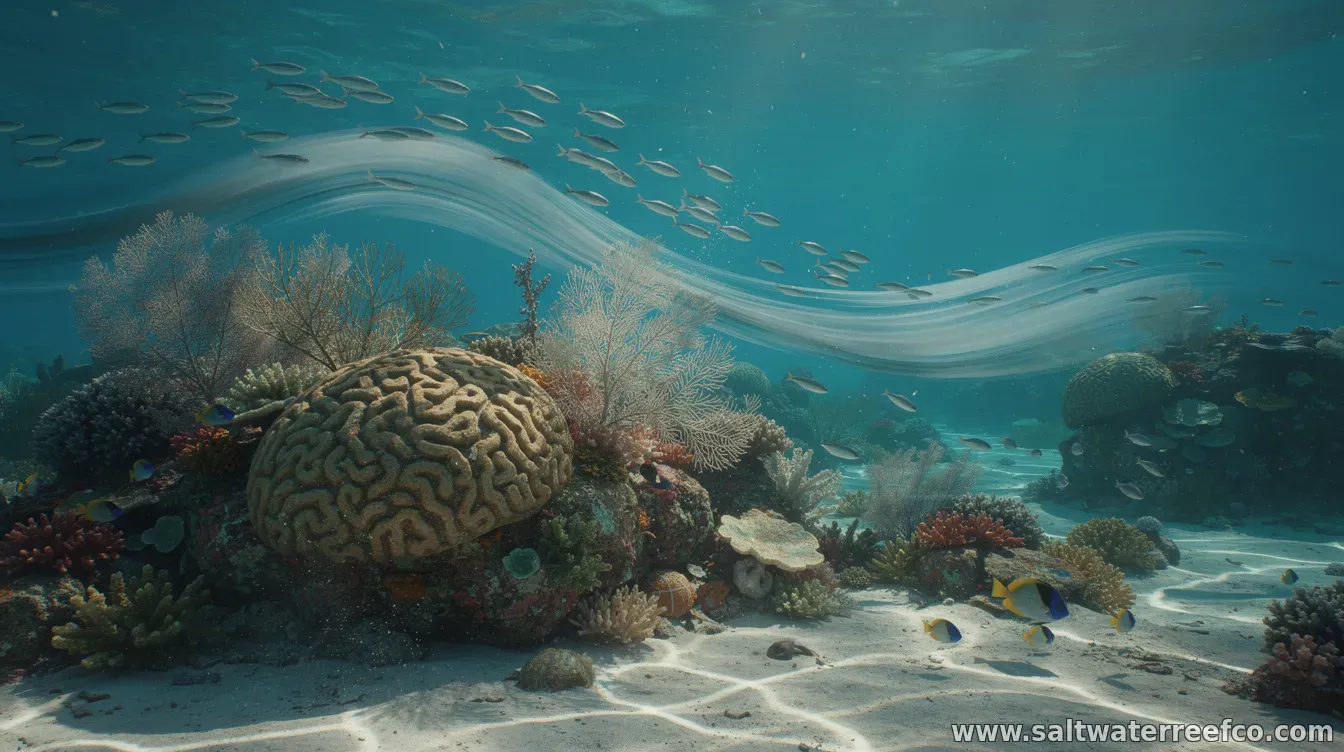
Reef aquariums and natural reef environments both depend on water movement, but the question many keepers ask is surprisingly nuanced: how much flow does a reef actually need? The answer is less about one universal number and more about matching circulation to the needs of the organisms living in the system. In healthy reefs, waves, tides, and currents constantly reshape the water around corals and reef organisms. That motion helps transport oxygen, carry away metabolic waste, and deliver food particles. In a closed aquarium, powerheads and wave pumps replicate some of those dynamics—yet they can also create problems if the flow is excessive, poorly directed, or uneven. What water movement does for coralsEffective circulation supports reef life in several practical ways. First, it improves gas exchange, increasing oxygen availability near coral tissue. Second, it helps remove detritus and dissolved wastes before they accumulate in low-flow pockets. Third, it can enhance feeding for many corals by bringing suspended food closer and enabling more efficient transport at the polyp or tissue level. Flow also influences the coral’s mechanical environment. Many corals have adaptations—polyp extension patterns, tissue thickness, and mucus production—that respond to current strength and direction. When flow is aligned with those adaptations, corals often look more active and maintain better tissue condition. Why “more flow” can be harmfulAlthough corals generally benefit from movement, too much flow can stress certain species or morphologies. High-velocity jets may prevent corals from extending their polyps normally, increase tissue irritation, or cause constant micro-shearing that some corals simply can’t tolerate. In addition, strong flow can keep fine particulate matter suspended, potentially clogging feeding structures or adding to detritus loads if filtration can’t keep up. Even corals that tolerate strong currents can struggle if the flow is one-directional or delivered at constant intensity. Many reef organisms evolved under variable currents, where turbulence and shifting direction matter as much as the peak strength. Targeting flow to coral type and coral shapeNot all corals want the same kind of current. Broadly, reef aquarists often separate corals into groups based on typical water-energy habitats:
The coral’s placement is equally important. A frag on the edge of a flow pattern may receive a very different experience than the same frag in a calmer pocket. How to think about flow in practiceA useful way to approach reef flow is to aim for consistent, contact-rich circulation rather than chasing a single turnover value. In natural reefs, water movement varies from spot to spot, and it includes turbulence created by branching rock, sand, and coral growth. In an aquarium, good circulation should reduce dead zones—places where detritus settles and oxygen exchange is weaker—while also avoiding narrow, high-speed streams. Many keepers measure flow indirectly using pump output settings, but the most actionable indicator is often observation: Do corals extend normally? Is detritus accumulating in corners or behind rock? Are you seeing stable, swirling patterns across the tank rather than isolated jets? When fine particles settle too quickly, the system may have insufficient circulation or filtration. When corals pull in completely or show persistent retraction and irritation, the flow may be too aggressive or too focused. Creating reef-like circulation: randomness and coverageReef habitats rarely deliver perfectly steady flow at one intensity. To mimic natural variability and improve coverage, many systems use wave-making features, multiple pumps, and alternating flow schedules. Instead of relying on one powerful pump, spreading movement across different directions can help ensure that every coral surface receives appropriate motion. Rock placement can also shape water movement. Dense rock structures can create microclimates and protected pockets; placing flow so it wraps around the aquascape rather than only hitting the front glass often improves overall results. A practical rule of thumb: balance and adaptabilityBecause reef needs depend on livestock, tank size, aquascape geometry, and filtration capacity, the most reliable strategy is to start with moderate flow and tune upward gradually. Pay attention to the system’s response over days to weeks, especially after changes. If corals adapt well—polyp extension remains normal, tissue looks healthy, and detritus doesn’t accumulate—your flow is likely in the right range. Finally, remember that water movement works together with other factors. Temperature stability, nutrient levels, oxygen availability, and biological filtration all affect how a reef responds. In many cases, improving circulation also reveals whether other parts of the system need adjustment. In short: a reef needs enough water movement to keep oxygen flowing and waste from accumulating, but it needs that movement in a coral-appropriate, turbulent, and well-distributed way—not as brute force. | |
|
| |
Next & Previous posts