1:19 AM Reef-Safe Fish: What to Choose and What to Avoid | |
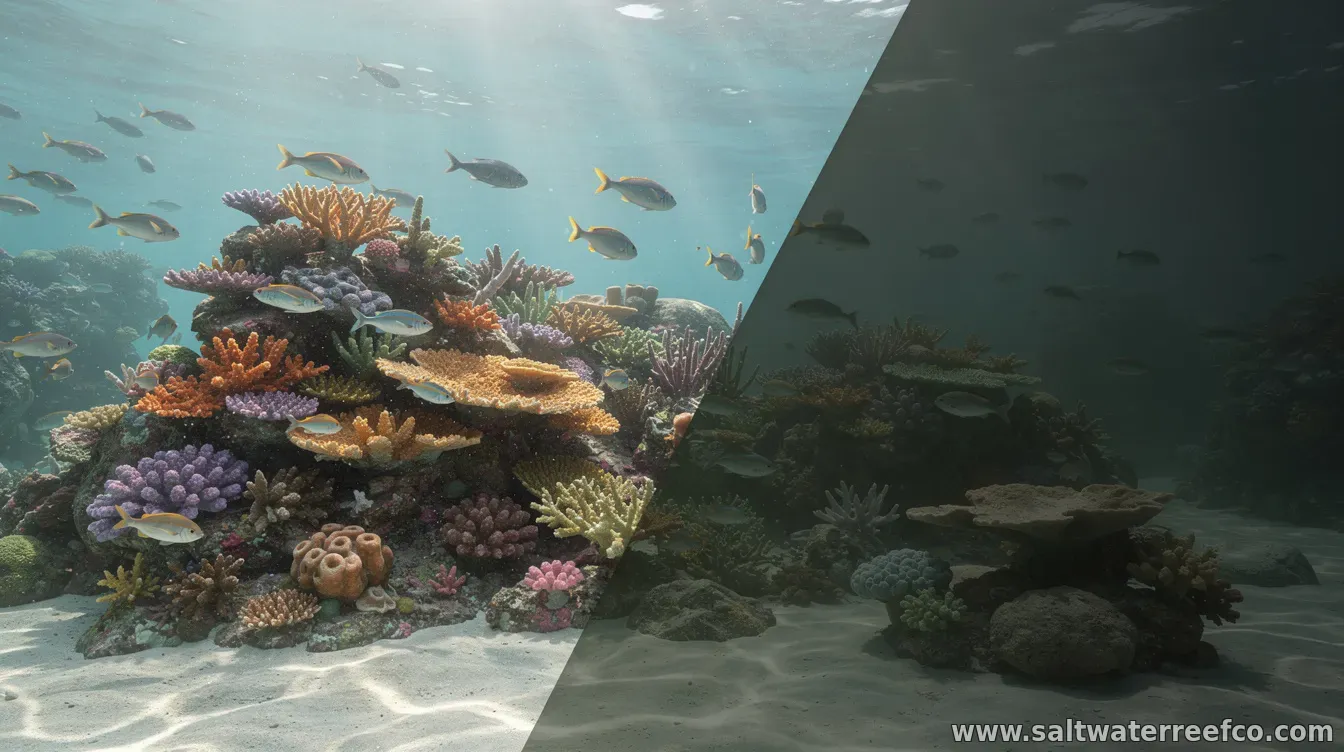
“Reef-safe” is one of the most searched terms in saltwater aquarium keeping, but it’s also a marketing shortcut. In real reef tanks, outcomes depend on a fish’s natural feeding behavior, individual temperament, tank size, available food, and whether it has space to establish territories. Below is a practical guide to help you choose reef-compatible fish and steer clear of species that commonly cause problems—especially with corals, clams, and invertebrates. What to choose: commonly reef-friendly optionsMany aquarists have success with small, non-predatory schooling fish and certain grazing species that don’t actively hunt coral tissue. A strong rule is to prioritize fish known for feeding on plankton, algae, or “microfauna” rather than corals. Look for species such as anthias and chromis (when kept in groups and fed adequately), plus many peaceful gobies and blennies. If you’re aiming to maintain sandbeds, watch for burrowing behaviors—some gobies are excellent sand sifters, but overcrowding can stress tankmates. For reef aquariums focused on stability, also consider fish that are generally calm and don’t require aggressive territory enforcement. The better you match the fish to its habitat and feeding needs, the lower the risk of coral harassment. What to avoid: fish that commonly nip or disrupt reefsSome species earn their reputation by doing what they’re biologically designed to do—pick at living tissue, chase smaller tankmates, or rearrange substrates while searching for food. Classic “use caution” categories include many angelfish and butterflyfish. While some individuals may ignore corals, others begin sampling polyps and harder-to-spot soft-tissue targets. Similarly, certain wrasses can be peaceful in one tank and opportunistic in another, particularly if they develop a taste for small invertebrates. Predatory or semi-predatory fish—such as larger hawkfish, triggers, and some puffer types—are also frequent sources of reef damage or invertebrate loss. Even if they don’t immediately attack corals, they may reduce the populations of snails, shrimp, and other clean-up crew members that a reef aquarium depends on. Compatibility isn’t just species—environment mattersA “reef-safe” fish can still become a problem if it’s underfed, stressed, or introduced into an overcrowded or undergrazed system. Aggression and coral nipping often rise when a fish has to compete for food or territory. Try to keep water quality high, introduce fish in a sensible order, and provide plentiful feeding so the tank isn’t left to “test” corals for missing calories. For larger or territorial species, tank size and hiding space can be the difference between calm cruising and constant chasing. If your goal is coral success, plan for quarantine and observation. Watch the fish for days to weeks for early signs of polyp picking—sometimes the first damage is subtle before it becomes noticeable. Quick decision checklist for reef aquarists
Reef-safe fish selection is less about chasing a label and more about aligning behavior, diet, and tank conditions. With the right choices—and realistic expectations—you can build a reef aquarium where fish and corals thrive together rather than compete. | |
|
| |
Next & Previous posts