8:54 AM How to Start a Reef Aquarium for Under $500 | |
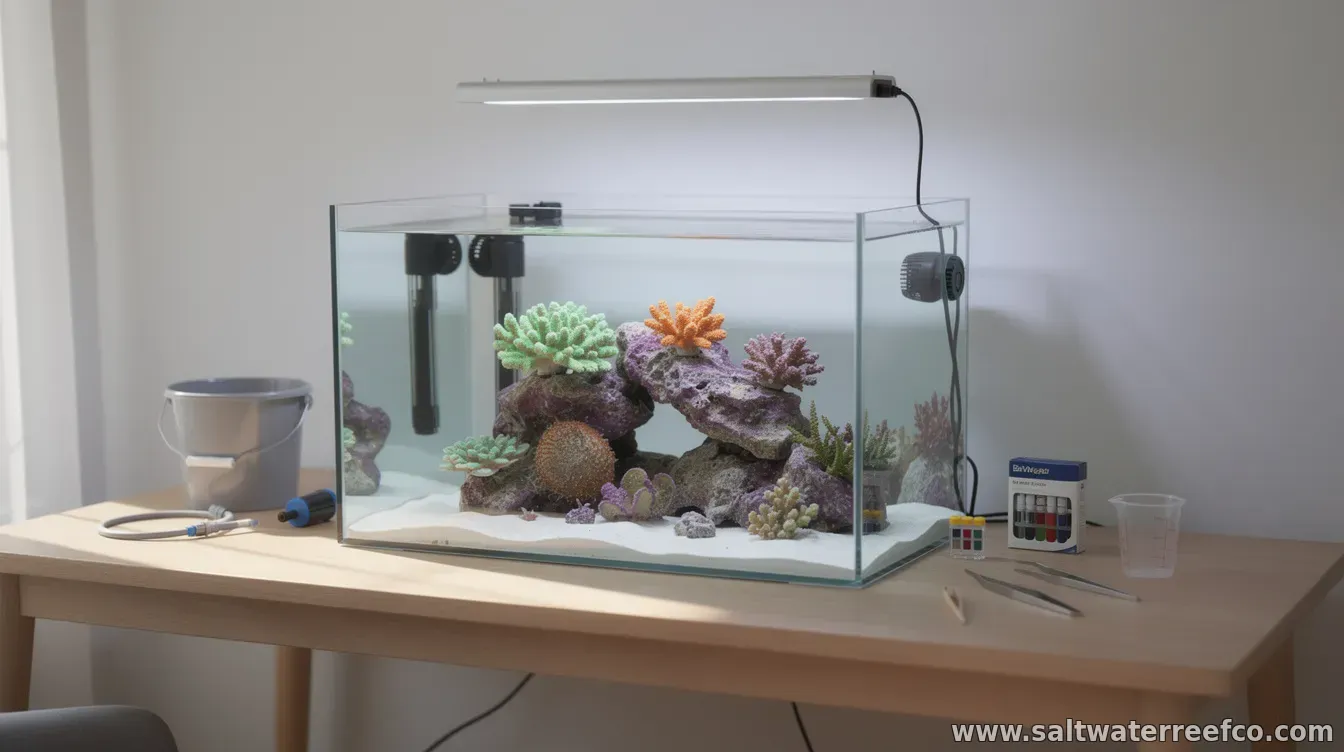
Building a reef aquarium under $500 isn’t about cutting corners—it’s about sequencing purchases and investing in the few items that actually keep water stable. Most budget failures come from rushing the setup, skipping reliable testing, or overspending on display upgrades before the biological system is ready. The most important principle: treat your budget like life-support money. If you choose equipment that controls temperature, provides gentle circulation, and helps you test water parameters, the rest becomes easier. Start with the right “minimum viable” setupFor most beginners, a small reef-ready tank (often around 20 gallons) is the sweet spot for cost. You can typically keep the total under $500 by choosing a straightforward, rimmed tank or a basic reef-capable model, then adding only the gear you truly need. At minimum, you’ll need: reliable lighting for coral later (not necessarily immediately), a heater with temperature stability, a filtration approach that suits saltwater, and a circulation setup that avoids stagnant zones. Budget priorities that matter mostPlan your spending around stability and measurement. A “cheap” tank with no test capability can cost more over time when livestock fails and you have to restart.
A realistic under-$500 shopping roadmapWhile prices vary by region and whether you buy used, a common strategy is to reserve funds for essentials and keep the initial livestock modest. Consider a setup where the first month focuses on cycling and water chemistry stability rather than coral shopping. A typical budget breakdown (example ranges): the tank and basic stand/surface support, filtration approach and/or return pump, a heater, a powerhead for circulation, a budget reef-capable LED light, saltwater testing supplies, and salt/starting substrate/rock. Livestock and additional “nice-to-haves” are usually postponed until after you’ve confirmed stable parameters. If you do buy used equipment, inspect seals and cords, verify pump and fan function, and avoid items with unknown electrical history. For reef tanks, reliability beats novelty. Rock, substrate, and the “cycle first” timelineIn a reef aquarium, live rock (or carefully sourced reef rock) helps establish biological filtration. For a small tank, you can keep the initial amount manageable and still create a strong foundation for beneficial bacteria. Regardless of budget, the order of operations matters: mix and circulate saltwater, set temperature, install circulation and lighting on a schedule, then complete the nitrogen cycle before adding animals. Budget reefing often succeeds when owners delay stocking until testing shows ammonia and nitrite are controlled and nitrate is following a predictable pattern. Choose livestock that matches a budget-first planOnce the tank is cycled and parameters are stable, start with hardy, low-to-moderate demand species. A budget reef is usually best served by a “small ecosystem” approach—adding a few compatible organisms instead of many at once. Many beginners do well starting with easy cleanup organisms (like snails or certain hardy invertebrates) and then moving toward soft corals only after you’ve confirmed stable light and water chemistry. If you want a mixed reef on a tight budget, prioritize coral types that tolerate beginner conditions and avoid species known to be sensitive to swings in alkalinity, salinity, or water flow. Common budget traps (and how to avoid them)Even under $500, you can succeed—if you avoid the typical pitfalls. The first is treating cycling as optional. The second is adding livestock too fast. The third is underestimating ongoing costs like salt, replacement test reagents, and basic maintenance tools. Budget reefing also benefits from planning for power reliability and heat stability, especially in warm or cold climates. A simple temperature monitoring routine in the early weeks can prevent costly crashes. In short, a reef aquarium under $500 is less about finding the cheapest gear and more about building a stable system in the right order. If you can keep temperature stable, measure key parameters, and only add livestock once the tank is ready, your budget reef can become a long-term reef—rather than a short-term experiment. | |
|
| |
Next & Previous posts