0:17 AM How to Choose a Protein Skimmer for Your Aquarium | |
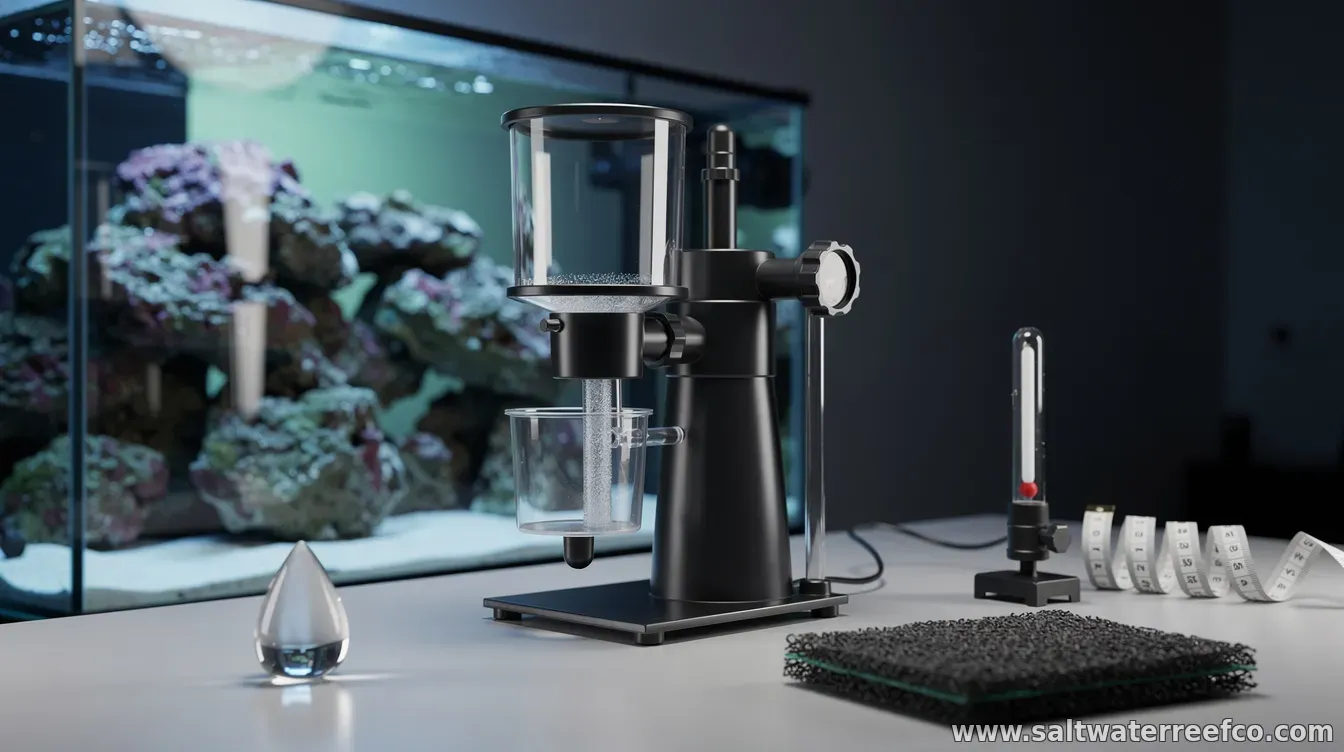
A protein skimmer is one of the most effective tools for removing dissolved organic compounds from saltwater aquariums. But “buying the biggest skimmer” is rarely the best approach. The right choice depends on how much waste your system produces and how easily the skimmer can be tuned and maintained. Start with the tank volume and expected bioloadManufacturers usually publish a recommended tank size, but those numbers can be optimistic. A higher bioload—more fish, heavy feeding, or feeding coral frequently—typically requires extra skimming capacity. If you run a lightly stocked tank, you may be able to use a smaller model and still maintain stable performance. Match the skimmer type to your space and workflowMost skimmers fall into a few categories:
Pick the configuration that fits your sump height, water level, and maintenance routine. Look beyond “size rating” at design and performanceKey performance details matter more than the marketing tank size. Pay attention to factors like:
If a product listing only provides a single number without practical details, treat it as a starting point—not the final decision. Check pump reliability and parts availabilityBecause protein skimmers run continuously, pump quality is a major long-term factor. Consider energy draw, noise level, and whether replacement parts are easy to find. If the skimmer relies on a proprietary pump, verify that you can source it locally or through dependable long-term supply. Plan for ease of maintenanceEven a great skimmer will underperform if it’s difficult to clean. Look for features that make routine tasks manageable, such as accessible collection cups, straightforward disassembly, and surfaces that don’t trap grime easily. Also consider how you’ll adjust water level and airflow during initial break-in and ongoing tuning. Dial it in correctly after installationMost skimmers require a break-in period and fine-tuning to reach their intended foam “dryness” and collection rate. Start by setting up the skimmer as directed, then adjust incrementally while observing changes over time—especially after feeding changes, water chemistry shifts, or adding/ethanol/vodka-style carbon dosing (if used). A skimmer that’s constantly overflowing or producing no foam may indicate flow, air intake, or water level problems. For best results, give your system time to stabilize, then re-check performance under typical daily routines. If you’re unsure, aim for consistent, controlled collection rather than chasing maximum skimmate volume. With the right sizing, matching design, reliable pump, and maintenance-friendly setup, a protein skimmer can become a steady “set and monitor” part of your reef system—rather than a recurring troubleshooting project. | |
|
| |
Next & Previous posts