0:33 AM Top 10 Reef-Safe Fish for Beginners (Beginner Picks) | |
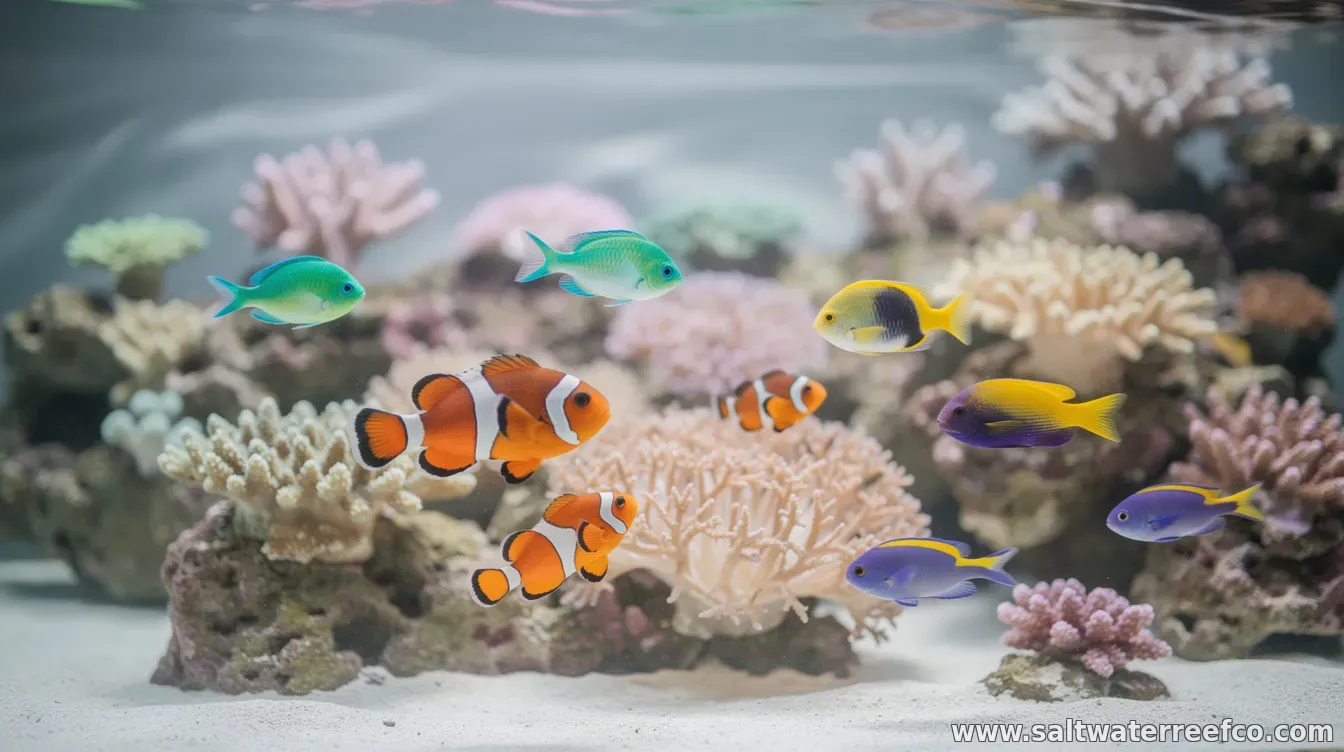
Starting a reef tank is exciting, but “reef-safe” doesn’t mean every fish behaves the same way. Many species are broadly considered compatible because they typically don’t bother corals, clams, or most invertebrates—yet individual temperament, tank maturity, and feeding habits can still change outcomes. Below is a beginner-friendly top 10 list of reef-safe fish commonly recommended for newcomers. Use it as a starting point, then confirm with your retailer and reef community for your specific coral mix and tank conditions. 1) Clownfish (Amphiprion spp.)Clownfish are among the most beginner-friendly reef fish. They’re generally peaceful toward corals and other tankmates, and many will host sea anemones (if present) or suitable soft structures. Provide stable water quality and moderate feeding to reduce stress and aggression. 2) Royal Gramma (Gramma loreto)Royal grammas are small, hardy, and tend to mind their own business in reef tanks. They usually occupy caves and rock overhangs. While they can be territorial toward similar-sized fish, they’re often a strong choice for beginners seeking color without chaos. 3) Chromis (Chromis spp.)Damsel-family chromis species are popular for adding movement and schooling behavior. Many hobbyists keep them in small groups, but note that chromis can be hit-or-miss: some systems see more bullying than others. Choose a compatible number, introduce at the right time, and ensure ample hiding space. 4) Firefish (Nemateleotris spp.)Firefish are classic “reef-safe” picks for beginners because they are typically peaceful and occupy the water column. They’re jump-prone, so a well-fitted lid or screen is essential. Healthy firefish usually accept appropriately sized foods and help create a lively, natural look. 5) Yellow Coris (Coris atlantica)Yellow coris wrasses are often chosen because they’re active and generally reef-compatible. They may sift the sand or search for food along the substrate, which can be a benefit in some tanks. Because wrasses can have different feeding responses, offer meaty foods and watch them closely after acclimation. 6) Tailspot Blenny (Ecsenius spp.)Many blennies are considered reef-friendly because they focus on algae and small prey rather than corals. Tailspot blennies are typically calm and add personality as they pick at rock. Provide enough live rock and algae coverage, especially if you want long-term stability in their diet. 7) Dragonet (Synchiropus spp.)Mandarins and other dragonets are often recommended as reef-safe invertebrate-friendly fish, but they’re best for tanks that can support their diet. They eat tiny live foods, so a mature refugium or consistent microfauna supply makes a big difference. If you’re brand new, consider waiting until the tank is established. 8) Cardinalfish (Apogon spp.)Cardinalfish are generally non-aggressive and add nighttime activity and subtle color. Many species are shy at first, then become more visible once settled. They also tend to pair well in community tanks—just ensure you can provide appropriate feeding for their lifestyle. 9) Bi-Color Dartfish / Watchman Goby (Gobiodon spp. or similar reef gobies—depending on your mix)Some small gobies and reef dartfish are commonly marketed as reef-safe and are relatively peaceful. The key is species selection: certain goby types will use caves or rockwork, and some may interact with specific invertebrates depending on their natural behavior. Match the fish to your tank’s structure and existing fauna. 10) Dwarf Angelfish (where appropriate and with caution)Not all dwarf angelfish are “safe,” but several species are frequently kept in reef aquariums with careful monitoring. Their risk level varies—some may nibble at corals, sponges, or ornamental invertebrates. For beginners, consider adding angelfish only after you’re confident in feeding routines and after you’ve confirmed compatibility with your coral types. Quick buying tips for beginners
If you share your tank size (and whether it’s a new build or established), plus your coral/invertebrate list, you can narrow these picks to the safest choices for your exact setup. | |
|
| |
Next & Previous posts