6:33 AM Fish Compatibility in Reef Tanks: Who Gets Along | |
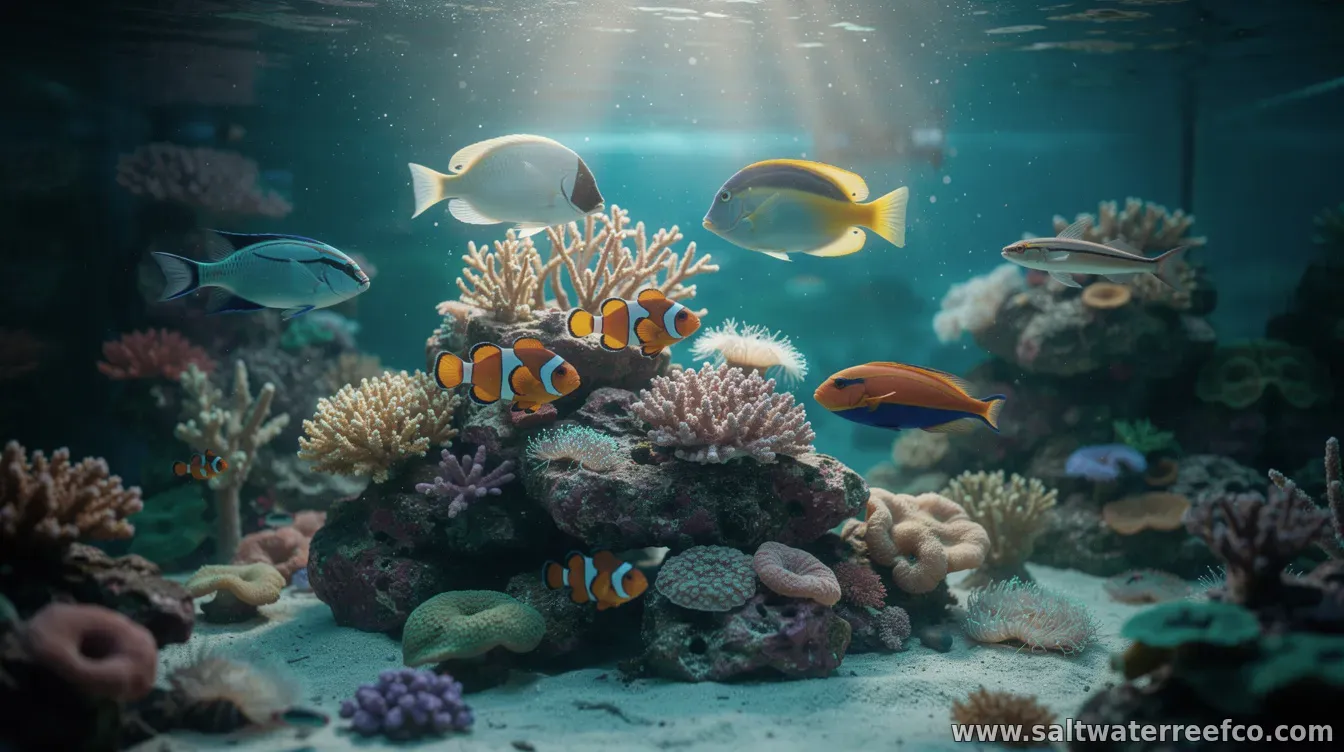
Not all reef fish mix well. In a confined tank, even “generally peaceful” species can become territorial during feeding, spawning, or when they establish a preferred swimming zone. Successful reef tank planning comes down to temperament, body size, feeding strategy, and whether a fish is likely to claim space over others. This guide focuses on practical compatibility—what typically works in established reef aquariums with stable water conditions—plus the common reasons pairings fail so you can troubleshoot before aggression escalates. 1) Start with the big compatibility driversBefore choosing specific species pairs, match these fundamentals:
2) Commonly compatible reef fish pairings (the “safer bets”)Many hobbyists report good results with communities that keep aggression low and distribute territory. While every tank has its exceptions, these pairings are often used because the species occupy different niches. Clownfish (species dependent) often do well with a variety of small, non-aggressive reef fish. They tend to focus on their immediate area (especially if hosting or bonded), which can actually help other fish by creating a predictable “border” rather than random chasing. Small gobies (when reef-compatible) are typically successful alongside peaceful midwater fish, because they occupy sand or rock surfaces and usually don’t compete heavily in the water column. Pair them with tankmates that don’t constantly hover near the substrate. Dartfish and other small schooling fish (when appropriate for reef conditions) usually integrate better with less territorial species, particularly if there’s enough open swimming space. A common rule of thumb is to add schooling fish in numbers that reduce bullying and allow natural spacing. Blennies can work in mixed communities, but they vary by species. In general, pick non-aggressive blennies and avoid combining multiple fish that all demand the same rock crevices at the same height. 3) Where compatibility commonly breaks: aggression, competition, and “too similar” nichesEven a reasonable matchup can fail if two fish compete directly. The most frequent conflict patterns in reef tanks include: Same species-group rivals: Some fish families show higher intraspecific aggression, especially with similar body shapes and behaviors. Two fish that both want comparable “territory roles” are more likely to spar than to coexist. Size and dominance mismatch: A larger fish may not be overtly aggressive at first, but it can repeatedly displace smaller tankmates during feeding. This often leads to chronic stress—less visible than chasing, but just as damaging. Food competition: If one fish eats faster or targets the same foods, slower eaters may starve. In mixed reefs, “peaceful” doesn’t always mean “equal access.” Color and shape triggers: Some aggressive species react strongly to specific shapes or color patterns that resemble rivals or perceived threats. New tank dynamics: Introducing a fish into an already established hierarchy can increase hostility. Many aquarists reduce risk by planning an order of additions and ensuring there are visual barriers and multiple feeding routes. 4) Practical rules for building a harmonious reef fish communityIf you want better odds from day one, use a planning approach rather than trial-and-error.
Ultimately, reef compatibility is probabilistic. Even well-known pairings can fail due to individual temperament, tank layout, and stocking levels. The best “success strategy” is to match species by niche and behavior first, then refine with observation—especially during the first few weeks after a new introduction. If you share the exact fish list you’re considering (and tank size, number of fish, and where they spend time), it’s possible to map out a compatibility plan and identify likely conflict points before you buy. | |
|
| |
Next & Previous posts