11:53 PM Reef-Safe Fish Compatibility Chart (Quick Guide) | |
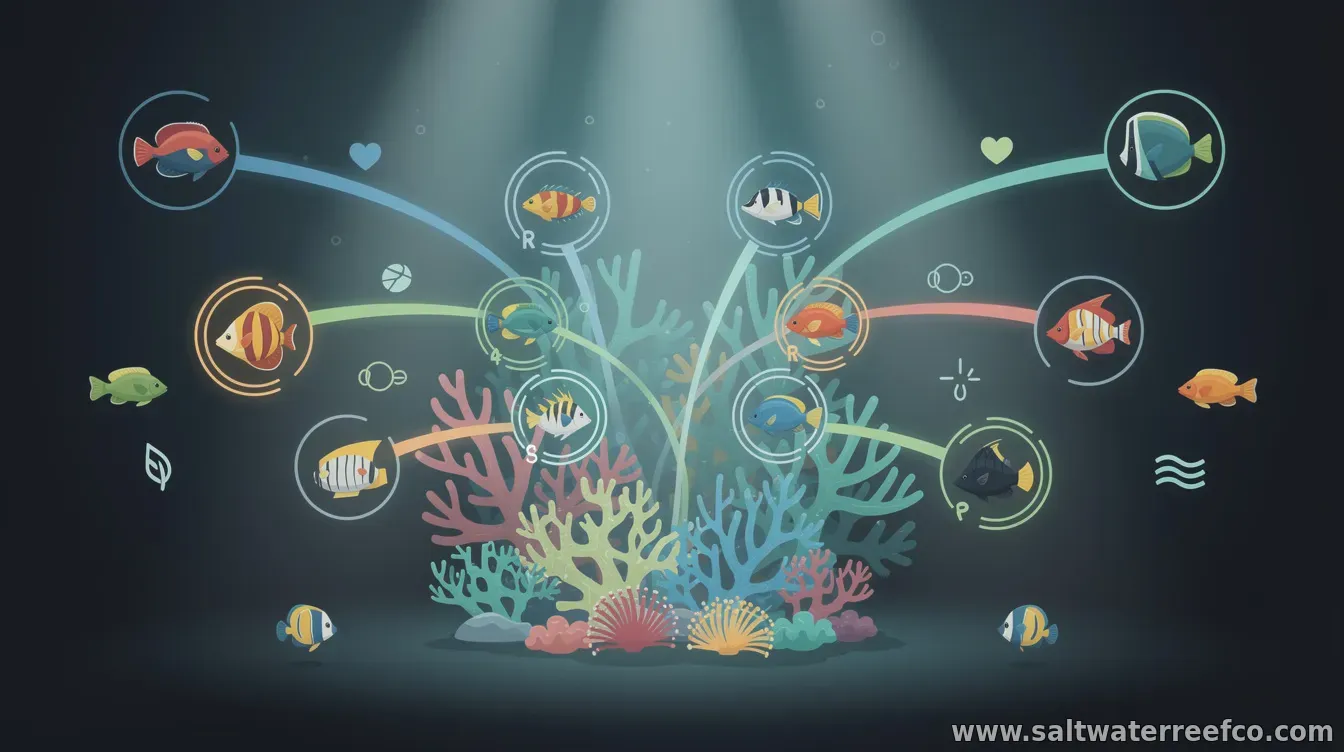
“Reef-safe” generally means a fish is unlikely to harm corals, clams, or invertebrates—but it’s not a guarantee. Many species are considered reef-safe because they typically ignore coral polyps, yet stress, hunger, or territorial behavior can still lead to nibbling or aggression. This reef-safe fish compatibility chart groups common hobby species by how reliably they tend to coexist in mixed reef tanks. Treat it as a quick decision tool, then verify with species-specific notes and local community experience. Chart: reef-safe compatibility at a glanceLegend: Good = typically compatible with corals and most invertebrates; Conditional = usually okay but can nip or become territorial depending on circumstances; Avoid = higher chance of coral/invert damage or persistent aggression. Good (commonly reef-safe)
Conditional (reef-safe sometimes, depends on tank/behavior)
Avoid (higher-risk for coral or inverts)
Compatibility factors that change the outcomeEven “reef-safe” species can become coral hazards. The biggest drivers are tank size, diet, and how established the territory is. A fish introduced late into a mature reef can behave very differently than one added to a new system. Key factors to check before adding any fish:
To improve success rates, many reef keepers follow “peaceful-first” sequencing: establish algae/bioload balance, add compatible peaceful fish early, and only later introduce species known to be more assertive—preferably after the tank’s microfauna and routine feeding are stable. Practical tankmate pairing examplesExample 1 (beginner-friendly reef): clownfish + goby/cardinalfish + blenny. This combination usually focuses on sand/rock/column niches, reducing direct conflict. Example 2 (invertebrate-forward reef): small peaceful wrasses (species-dependent) + cleaner crew + non-nipping midwater fish. Avoid adding fish with a history of “testing” shrimp or picking at polyps. Example 3 (herbivore-inclusive reef): tang-type herbivores paired with calm tankmates, ensuring aggressive tendencies are managed by ample space and consistent feeding. Watch for stress if you also keep very small fish. If you’re unsure about a specific species, treat it as “Conditional” until you can confirm (1) its typical diet in captivity, (2) whether it’s known to harass corals, and (3) how it behaves in comparable reef setups. Bottom line: Use this reef-safe fish compatibility chart to shortlist likely-safe candidates, then refine with species-level research and your own tank conditions. If you tell me your tank size and the exact fish/invertebrates you want to combine, I can produce a more tailored compatibility chart for your specific stocking plan. | |
|
| |
Next & Previous posts