0:54 AM 5 Fish That Do Well in a Reef Tank | |
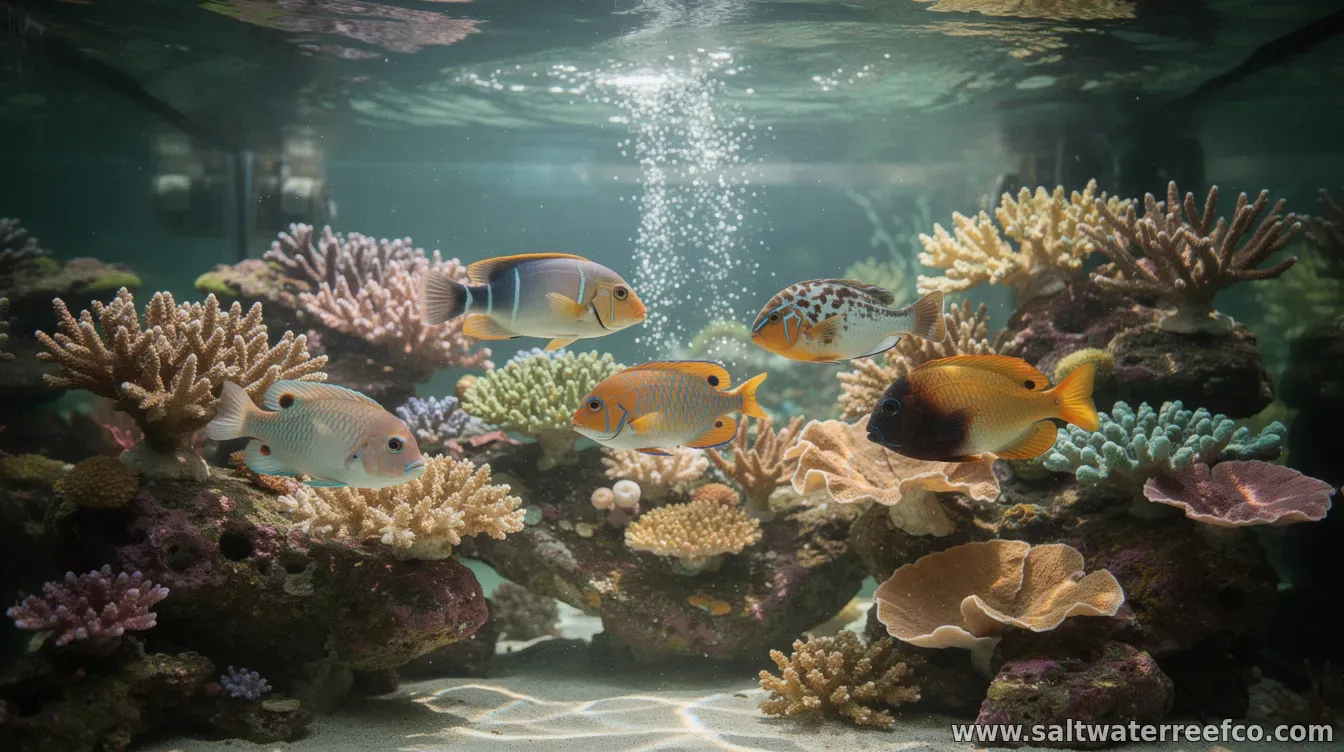
A healthy reef tank depends not only on water quality and coral compatibility, but also on selecting fish that match the tank’s size, temperament, and feeding routine. While every aquarium is different, some species are consistently good choices for reef setups—especially for hobbyists building a mixed community. 1) Clownfish (Amphiprion spp.)Clownfish are reef favorites because they’re usually hardy, colorful, and generally peaceful toward tankmates. Many species pair well with anemones (if you keep one), but they can also thrive in reef systems without. Focus on stable parameters, a varied diet (quality pellets plus frozen foods), and giving them a group or a suitable pairing. 2) Royal Gramma (Gramma loreto)Royal gramma is a small, elegant fish that tends to be calm and reef-friendly. It typically spends time in the rockwork and emerges to feed, making it a great choice for aquascaped tanks. Provide plenty of hiding places and avoid introducing overly aggressive fish that may outcompete it for food. 3) Six-Line Wrasse (Pseudocheilinus hexataenia)A six-line wrasse can be an excellent addition for reef aquariums, particularly because wrasses often help manage certain small pests. Still, it’s known for being assertive—so tank size and existing fish matter. In larger tanks with adequate space, it can settle in well, but in smaller or tightly stocked systems it may cause issues. 4) Dartfish & Gobies (e.g., Watchman Goby)Many gobies are a natural fit for reef tanks because they’re typically peaceful and make use of the sand bed and rock structure. Watchman gobies are especially popular, often living in or near burrows and foraging along the substrate. Make sure the tank has enough sand depth (when appropriate) and that your stocking doesn’t include fish that harass bottom-dwellers. 5) Peaceful Damsels (with careful matching)Not all damsels are equally reef-safe in practice: some can become territorial, especially as they mature. However, certain species can work well in reef aquariums when introduced thoughtfully and stocked with compatible tankmates. The best results usually come from careful pairing, good hiding space, and a tank that’s large enough to diffuse aggression. Before you buy: check adult size, temperament, feeding habits, and whether the fish is known to bother corals or invertebrates (even “reef-safe” species can vary by individual). Quarantine when possible, introduce new fish to an established tank carefully, and monitor feeding closely in the first weeks. If you share your tank size, current livestock, and whether you plan to keep anemones or specific corals, you can narrow these recommendations to the best fit for your exact setup. | |
|
| |
Next & Previous posts