1:47 AM Cleanup Crews: Snails, Hermit Crabs, and What to Choose | |
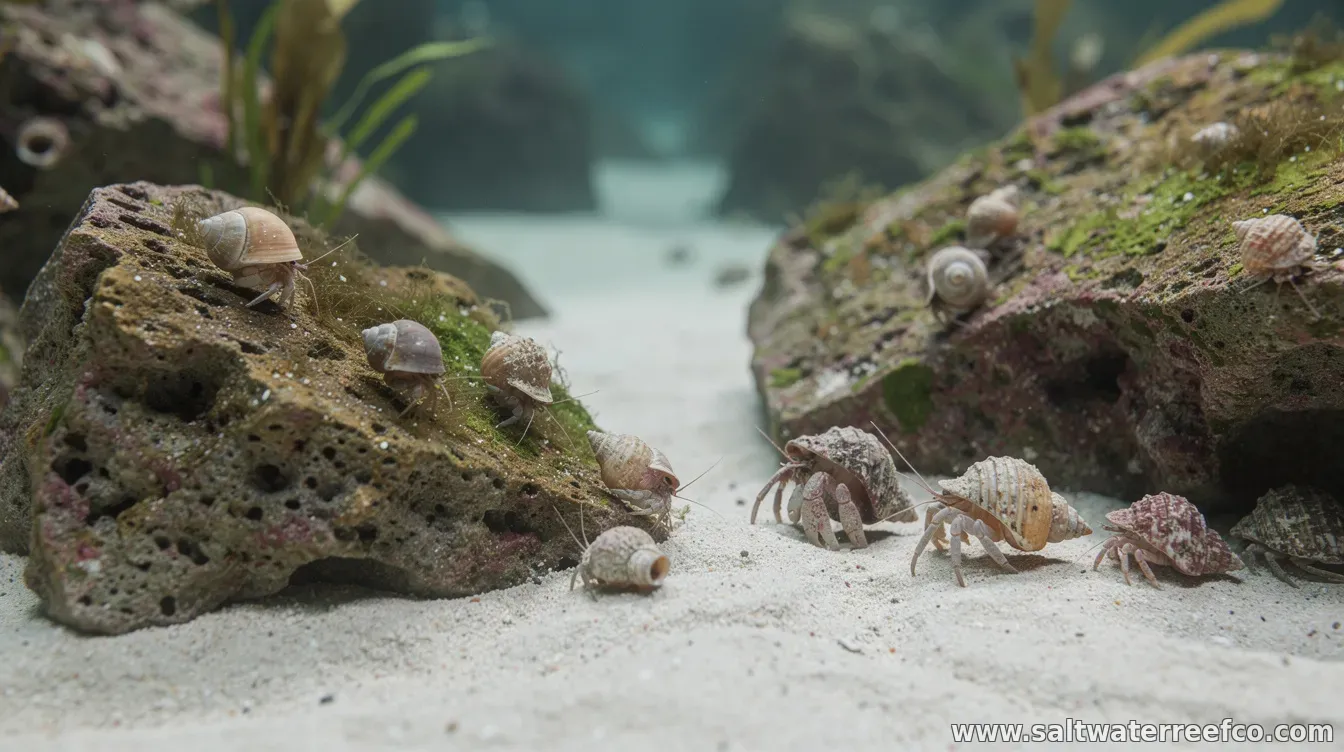
“Cleanup crew” is a catch-all phrase aquarium keepers use for invertebrates that help reduce leftovers—such as algae film, uneaten food, and detritus—so the rest of the system stays more stable. Two of the most commonly discussed options are snails and hermit crabs, but the best choice depends on your tank’s conditions and what you actually want to clean up. Snails tend to be straightforward: they graze on algae and biofilm, and many species tolerate a range of tank setups. Hermit crabs can also be helpful, but they’re more “ecosystem-dependent,” with more specific requirements for shells and substrate, and they may be less predictable about what they consume. Snails: dependable grazers, usually lower riskIn many tanks, snails are the go-to cleanup crew because they consistently move across surfaces and feed on algae and film growth. Depending on species, they may also scavenge small bits of food and help with early-stage cleanup while you’re still balancing light, nutrients, and feeding. For best results, match the snail type to your tank. For example, if the main issue is algae on glass and hard surfaces, a grazer-focused snail is often the most direct fit. If your goal includes cleaning detritus around sand or rock, look for species known for scavenging and substrate movement—but remember that “cleanup” doesn’t replace good filtration and routine maintenance. Hermit crabs: effective scavengers, with setup requirementsHermit crabs can contribute to cleanup by scavenging leftover food and moving through the substrate, which may help reduce detritus pockets. However, they are not universal algae workers, and their behavior can vary widely by species and individual temperament. One of the biggest practical considerations is housing and access to suitable shells. A hermit crab that can’t reliably find appropriately sized shells may become stressed, weaken over time, or cause problems in the tank environment. Tank depth, substrate quality, humidity (for land-capable types), and safe hiding spots also matter for long-term health. What to choose depends on your tank’s “problem list”Before adding any cleanup crew, identify what you’re trying to fix:
In other words, cleanup crews are best used as support. If algae is recurring, the root causes—too much light, excess nutrients, feeding volume, or insufficient water flow—still need addressing. Common pitfalls to avoidBoth snails and hermit crabs can disappoint if the tank isn’t set up for them. Snails may starve in low-food situations if there isn’t enough biofilm or algae to graze, while hermit crabs are more likely to require additional environmental stability and shell availability. Overstocking is another issue: adding too many “cleanup” animals can create more waste than it removes. Finally, be careful when mixing species. Some invertebrates may compete for resources or occupy similar spaces in ways that increase stress. If you’re unsure, research the specific species rather than relying on broad labels like “cleanup crab” or “algae snail.” The simplest way to succeed is to start small, observe feeding and behavior, and adjust husbandry. For many aquariums, a well-chosen snail plus improved feeding and maintenance can solve recurring surface algae. For hermit crabs, success usually depends on meeting their more detailed needs—especially substrate and shell options—so they can scavenge naturally without long-term stress. | |
|
| |
Next & Previous posts