1:35 AM Feeding Reef Fish and Corals: How Often and What | |
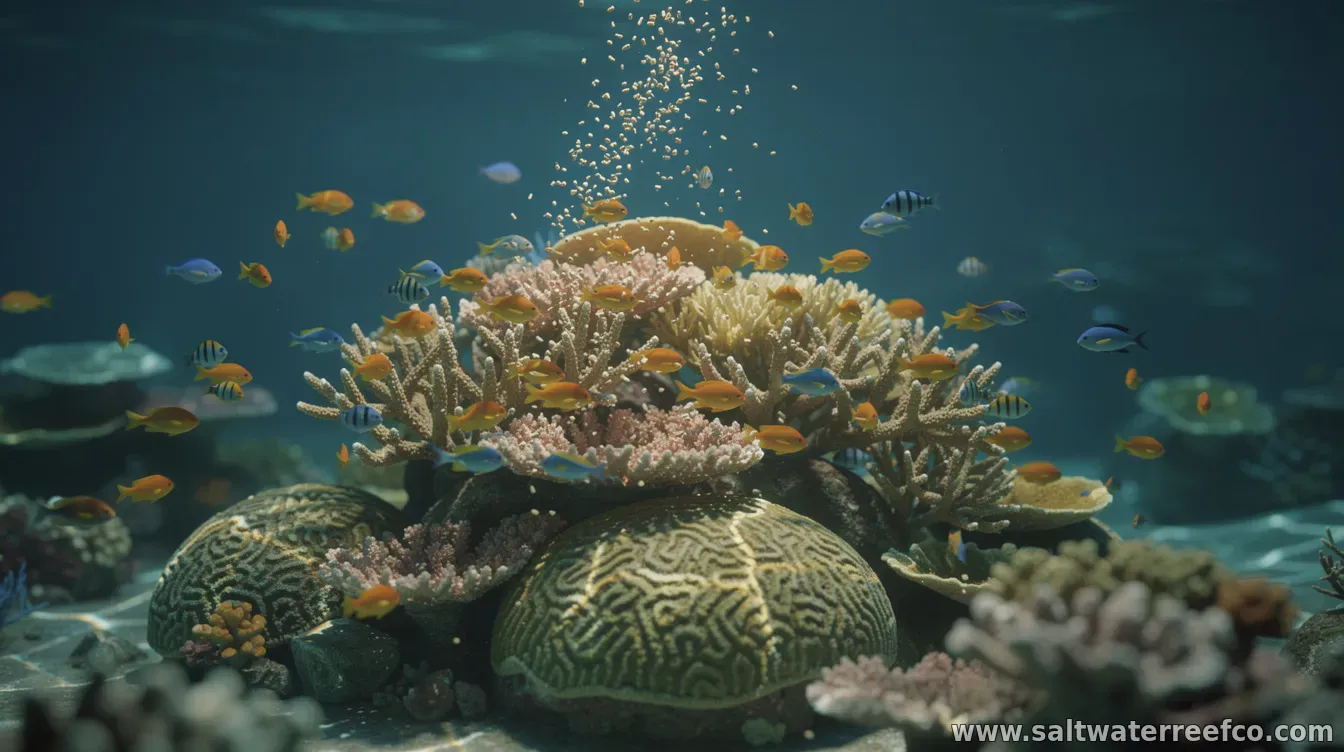
Healthy reef aquariums depend on more than light and water flow—feeding is what supplies the energy and nutrients corals and reef fish need to thrive. The key is balance: overfeeding raises nitrate and phosphate, which can fuel algae and stress animals, while underfeeding can leave fish underpowered and corals lacking key food sources. In practice, the “right” schedule depends on tank size, stocking level, filtration, and the specific species you keep. Still, most successful reef setups follow a consistent routine: feed fish small amounts more frequently, and supplement corals selectively with foods matched to their feeding behavior. How often to feed reef fishFor most reef fish, a common starting point is once or twice per day, offering only what they can consume quickly. Many keepers aim for a target window of roughly 1–2 minutes for actively swimming fish, then stop. If food consistently remains uneaten after a few minutes, you’re feeding too much. Some species—such as planktivores (many small reef fish that naturally graze the water column)—often do best with smaller, more frequent feedings. Others, including certain grazers, may require less frequent but appropriately sized foods. The right approach is to observe behavior: fish should be responsive at feeding time and should not appear “hungry but ignoring” food, which can indicate an incorrect food type or size. What to feed reef fish (and what to avoid)Choose foods that match each fish’s natural diet and mouth size. For mixed reef communities, a varied menu typically works best. Common options include high-quality frozen or freeze-dried foods formulated for marine fish, such as mysis shrimp, brine shrimp (as a limited supplement), and finely chopped seafood-based mixes. Many aquarists also include pellets or flake products made for reef or marine fish—just ensure they don’t quickly degrade into excessive waste. To reduce nutrient spikes, use these practical rules: thaw frozen foods in a cup of tank water (if your feeding method allows), feed small portions, and avoid repeating feedings too close together when the tank is already accumulating detritus. Also consider that not every fish benefits from every food—what looks like “food” to one species can be ignored by another, leaving leftovers to rot. How often to feed coralsUnlike fish, corals generally do not need frequent “daily feeding” in the same way. Many corals capture particles from the water column, so feeding is more about periodic supplementation than constant dosing. A reasonable starting range is once every several days to once per week, depending on coral type, feeding response, and whether your tank already has natural plankton from systems like live rock, refugiums, or bottled feeding regimens. Some corals respond strongly to targeted feeding—especially those that are naturally more heterotrophic (such as certain soft corals and some LPS). Others may rely mostly on photosynthesis and may show only modest changes when fed. Watch the coral: improved polyp extension, color stability over time, and normal tissue condition are better indicators than short-term “reaction” alone. What to feed corals (the food matters)Coral feeding works best when food is sized for capture and delivered where the coral can access it. Many aquarists use reef-particle foods designed for corals, including phytoplankton-based additives for filter-feeding corals and zooplankton-style products for more heterotrophic species. Fine, small particles typically distribute better and are more likely to be captured. When feeding corals, matching the food to the coral’s feeding style is crucial. Filter-feeding corals often benefit from particulate foods that stay suspended long enough to reach polyps. Meanwhile, more selective corals may respond better to smaller, targeted offerings. If your tank already has strong water movement, ensure the food disperses adequately without blasting it away from the coral’s feeding zone. Delivery tips: reduce waste, improve resultsEven the best food can become a water-quality problem if it’s delivered poorly. For fish, consider using a feeding schedule that prevents leftover buildup—smaller portions are usually safer. For corals, target feeding can be effective, especially when using syringes or controlled flow to place food near polyps. Also keep equipment and water changes in mind. If you feed more heavily, you may need to adjust maintenance routines: monitor nutrients closely (nitrate and phosphate), keep detritus under control, and confirm that filtration and/or a skimmer are performing as expected. The goal is not to eliminate all waste—reef systems naturally accumulate some nutrients—but to avoid feeding in a way that overwhelms your tank’s processing capacity. A simple starting routineIf you want a straightforward baseline, start with fish feedings once daily (or twice daily if fish are small and active), offering only what’s consumed quickly. Then add coral supplementation 1–2 times per week with foods appropriate to your coral types. After a few weeks, fine-tune based on coral response and water test trends. Every reef is different, so the best “how often” is the schedule your tank can handle while still keeping fish healthy and corals looking full. With consistent observation and controlled portions, feeding becomes a tool for stability rather than a source of stress. | |
|
| |
Next & Previous posts