2:30 AM What’s Included in a Commercial Aquarium Maintenance Contract | |
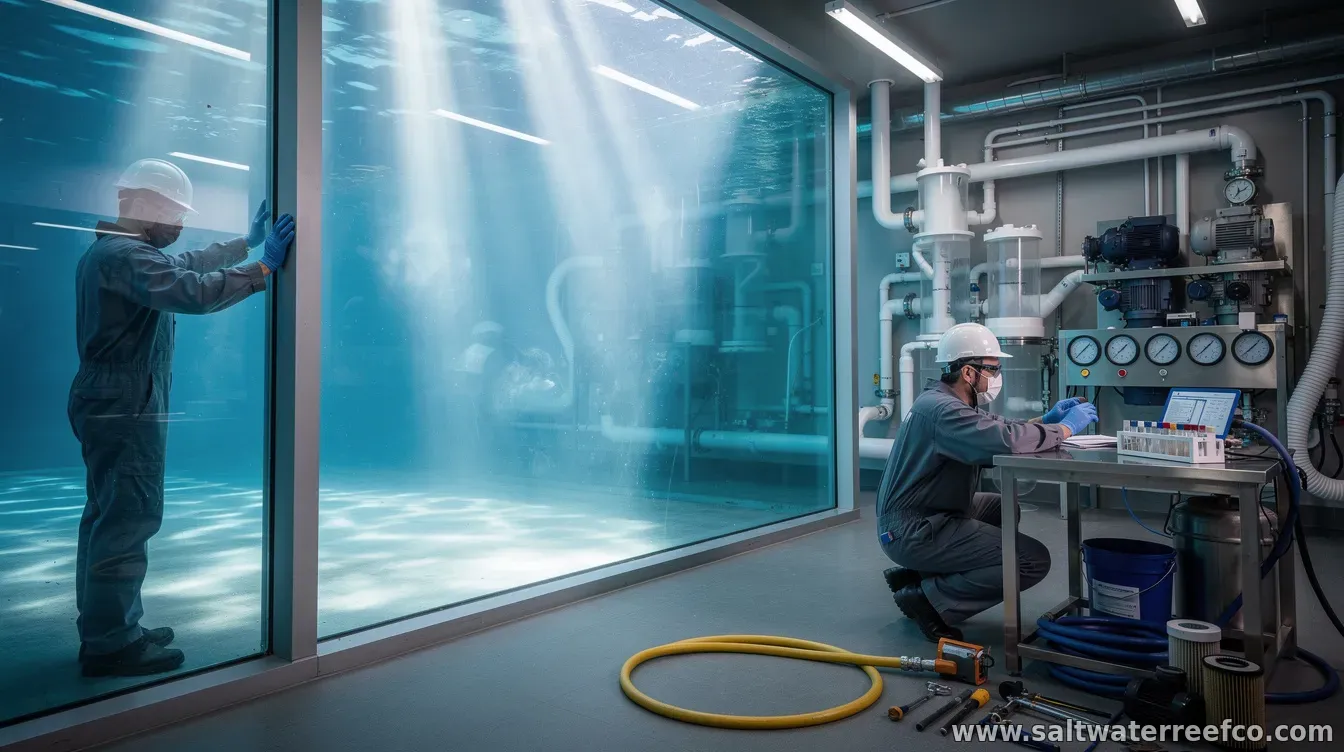
Commercial aquarium maintenance contracts are designed to keep aquatic systems stable, safe, and visually consistent—while reducing downtime and protecting animal welfare. Whether you operate a public-facing exhibit or an in-premise feature tank, a good contract spells out exactly what the provider will do, how often, and what happens when something goes wrong. Below are the core services most aquarium maintenance agreements include, along with contract details worth confirming before you sign. Routine water-quality monitoring and analysisThe foundation of any maintenance program is ongoing water-quality testing. Contracts commonly include scheduled checks for parameters such as temperature, pH, salinity/specific gravity, ammonia, nitrite, nitrate, and dissolved oxygen—plus records documenting readings over time. Many providers also test for alkalinity and phosphate depending on system type and stocking levels. This monitoring helps identify issues early, before they become costly (for example, algae outbreaks, stressed fish, or filtration breakdowns). Equipment inspection, cleaning, and performance checksMaintenance contracts usually cover the systems that keep water circulating and filtered. Expect service to include inspection and cleaning of filtration equipment (mechanical, biological, and—when applicable—chemical media), checking pumps and piping for leaks or clogs, and verifying heaters and chillers operate within target ranges. Contracts may also include ultraviolet (UV) sterilizer checks, skimmer maintenance (for compatible systems), and calibration/verification of sensors to ensure readings remain accurate. Tank, glass, and decor cleaningTo maintain a clear, professional appearance, many agreements include regular cleaning of aquarium surfaces and viewing areas. That can include scheduled glass cleaning (inside and/or exterior depending on tank design), removal of debris from sumps or overflow systems, and cleaning of ornaments, rockwork, and substrate as appropriate for the species and setup. Important contract nuance: cleaning frequency and methods should be described to avoid disrupting biological stability—particularly in systems with live rock or sensitive animals. Feeding support and animal-care responsibilitiesSome commercial contracts include aquarium feeding and basic animal-care tasks, while others focus strictly on systems and defer feeding to the facility staff. If feeding is included, a reputable provider typically outlines feeding schedules, portion guidance, and procedures for handling sick or off-feed animals. Additionally, contracts may specify who is responsible for quarantine processes, med administration, and documentation if veterinary intervention is needed. Emergency response, troubleshooting, and escalationBecause aquarium issues can escalate quickly, many contracts offer an emergency callout service or an agreed response window. This may cover scenarios such as pump failure, power disruptions, rapid parameter swings, significant equipment malfunction, or leaks. Review the contract for response times, after-hours availability, and whether the provider will supply emergency parts or coordinate with electricians/plumbers. Clarify what costs apply if emergency work goes beyond routine maintenance. Water changes and biological stability managementMany agreements include scheduled partial water changes (or make-up and top-off support) as determined by stocking levels and system capacity. The contract should describe how water is sourced and conditioned, how temperature matching is handled, and how changes are performed to protect the biological filter. In some cases, providers may also manage salt mix preparation for marine systems or ensure appropriate conductivity/salinity targets are maintained. Documentation, compliance, and service reportingCommercial clients often need transparent records. Maintenance contracts frequently include service logs, test result sheets, and a written summary after each visit. Some providers also include photo documentation of tank condition, filter/media status, and any corrective actions taken. If your facility is subject to internal standards or public health and safety reviews, request details on how documentation is retained and provided. Parts, consumables, and what’s billed separatelyNot every expense is included in the base contract rate. Many agreements cover labor and routine consumables, while repairs (replacement pumps, impellers, heaters/chillers, tubing, bulkheads, and major media replacements) may be billed as additional line items or under a separate parts agreement. Confirm whether filter media, chemicals for water treatment, salt, test kits, and algae-control products are included, capped, or billed separately. Visit frequency, scheduling, and performance expectationsContracts typically define service intervals—such as weekly, biweekly, monthly, or quarterly—based on system size and stocking density. Providers may also include seasonal adjustments (for example, warmer months affecting temperature stability). Look for performance expectations: target parameter ranges, visual clarity goals, algae control standards, and turnaround times for corrective maintenance. How to compare contracts before you chooseNot all maintenance programs are built the same. When comparing offers, ask for the scope in plain terms, not just marketing descriptions. Consider requesting a sample service checklist and clarifying the division of responsibilities between your staff and the maintenance provider. Key questions to ask:
A strong commercial aquarium maintenance contract makes system stability, animal welfare, and operational reliability measurable. By focusing on testing, equipment upkeep, clearly defined responsibilities, and emergency terms, you can choose a provider that keeps your aquarium looking its best—without surprises. | |
|
| |
Next & Previous posts