6:23 AM How to Test Reef Water Properly: Trusted Test Kits | |
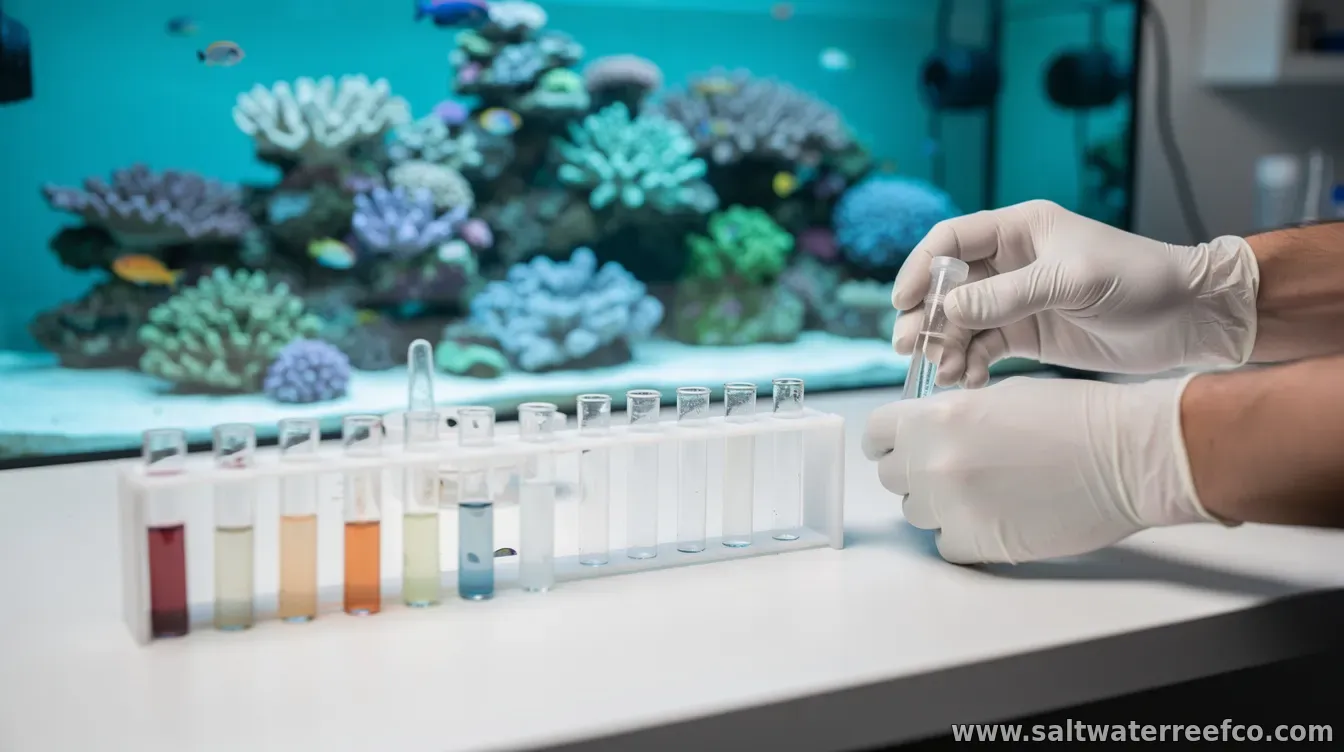
Testing reef water is one of the few reef-keeping tasks that directly ties to stable coral health. But “testing” only matters if your results are consistent and actionable. The goal isn’t to test everything every day—it’s to measure the parameters that drive stability, then choose test kits and procedures you can trust. Below is a practical approach to reef water testing, plus guidance on which kinds of test kits are typically the most reliable for hobby use. Start with the right parameters (and a sensible schedule)Most reef systems revolve around the same core chemistry needs. In general, aim to track salinity, major ions, and nutrient levels, adjusting frequency based on tank stability and animal load. Common reef testing priorities:
If your tank is stable, many reefkeepers run weekly checks for core parameters and use more frequent testing only when adjusting dosing, responding to pest/algae outbreaks, or recovering from changes. Choose the most reliable test method for each measurementNot all test kits are created equal. Two results can differ because of kit chemistry, measurement method, or user technique. Matching the test type to the parameter is one way to improve confidence. 1) Salinity: Use a refractometer (ideally with temperature compensation) as the baseline for routine checks. Even high-quality test solutions for salinity rely on color interpretation, which can vary more than refractometer readings. Always calibrate with proper calibration fluid. 2) Alkalinity / carbonate: Many reefkeepers rely on alkalinity titration kits (commonly acid titration). These tend to be more consistent than broad color-chart comparisons. Follow the instructions closely—especially the endpoint details and how gently you swirl. 3) Calcium and magnesium: Titration-based kits can be dependable for hobby measurements. Consistency improves if you use the same kit lot (when possible), store reagents properly, and don’t “guess” at endpoints. 4) Nitrate and phosphate: For nutrients, photo-metric kits (measuring a color against a comparator or electronic reference) often outperform simple drops-and-a-chart methods. That said, precision depends heavily on lighting, timing, and sample clarity. Which test kits to trust (what to look for)There isn’t one single “best” kit for every reef, but there are clear signs of reliability. When selecting test kits, prioritize accuracy, reproducibility, and long-term stability of reagents. Look for these reliability signals:
In practice, reefkeepers often find strong results using established brands and widely adopted test approaches—particularly for alkalinity (titration), major ions (titration), and nutrients (photo-metric). If you’re unsure which kit to buy, match your selection to your preferred method (e.g., titration vs. photometer) and the specific parameter range you expect in your tank. Use correct technique to avoid false confidenceEven a high-quality test kit can produce misleading results if you mishandle samples or rush steps. Technique matters as much as the kit. Key habits for better testing:
If you want to be especially confident, test the same sample multiple times and watch for repeatability. If results vary wildly between runs, treat the data as unreliable until you identify the cause (technique, reagent age, or sample preparation). Know common sources of errorReef water testing often goes wrong due to predictable issues. Understanding these helps you troubleshoot quickly. Common problems include:
For nutrients like phosphate and nitrate, “small numbers” matter. Many kits have an accuracy band—so focus on meaningful trends rather than one-off readings. Practical workflow: from sample to decisionA reliable testing routine is less about one perfect measurement and more about an approach you can repeat. Consider this workflow: First, test salinity with a calibrated refractometer. Then check alkalinity (and calcium/magnesium if you’re dosing or adjusting supplements). Finally, measure nitrate and phosphate on a consistent schedule, especially if algae growth, livestock health, or system changes are in play. When you’re dosing or making corrections, test often enough to confirm the tank responds the way you expect—but avoid constant testing that increases the chance of human error. Use results to guide incremental changes, then re-check after a realistic time for chemistry to settle. By combining trusted test methods with careful technique—and by focusing on trends—you’ll get measurements that actually help keep your reef stable. | |
|
| |
Next & Previous posts