7:03 AM RO/DI Systems: Why Tap Water Hurts Your Reef | |
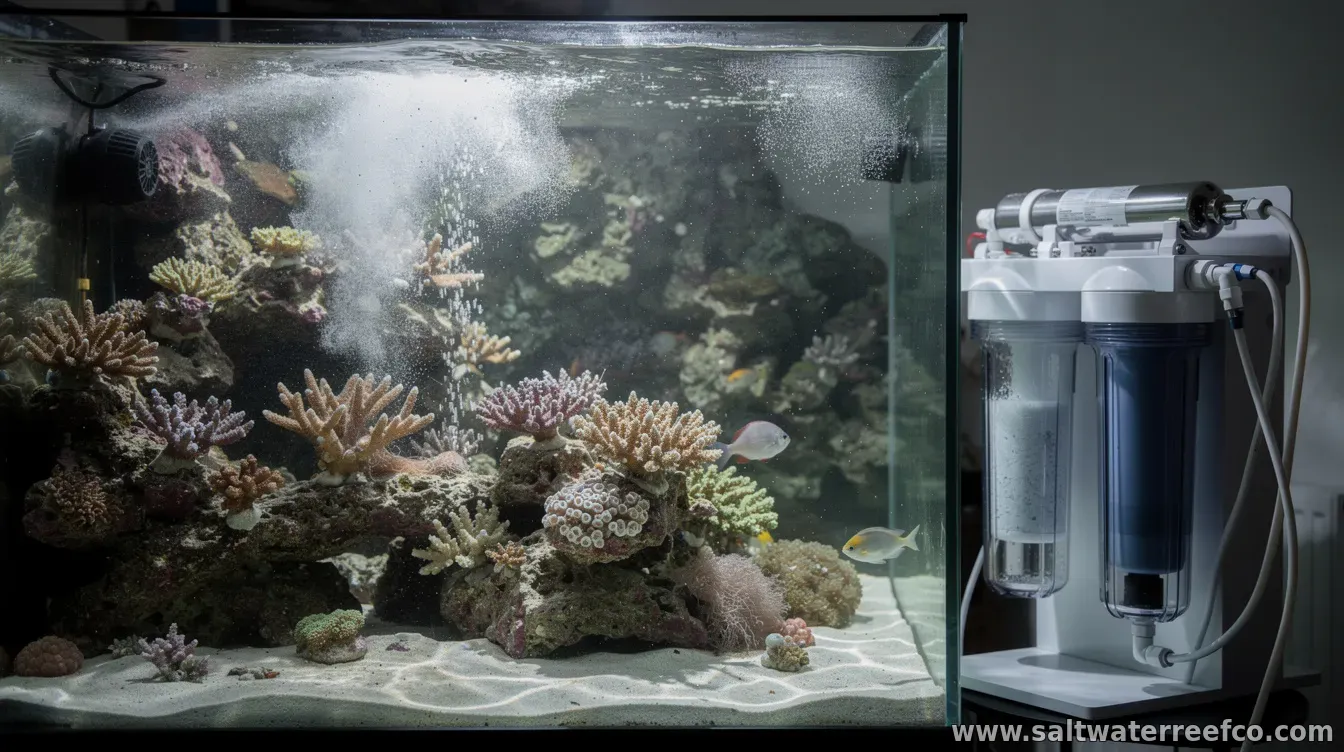
Many reef keepers start with tap water because it’s convenient—but “clean” drinking water and reef-ready water are not the same. Even when tap water looks clear, it can carry dissolved minerals, metals, and other impurities that quietly push aquarium water chemistry out of balance. That’s where RO/DI (reverse osmosis/deionization) systems come in. They dramatically reduce total dissolved solids and remove additional trace contaminants that can matter in a closed reef ecosystem. Tap water’s hidden chemistry: more than just saltSeawater is tightly controlled. In a reef tank, small swings in TDS (total dissolved solids), alkalinity, and salinity can stress corals, stunt growth, and contribute to algae problems. Tap water can introduce unwanted inputs through:
Why high TDS makes reef parameters harder to controlReef aquariums depend on predictable inputs. With tap water, higher TDS means you’re adding a larger “mystery load” of dissolved material each time you top off or mix saltwater. Over time, that can make it harder to keep target levels for parameters such as: Salinity, which can drift when the ionic profile differs from what your salt mix expects; alkalinity and calcium, which can be influenced by the mineral content; and trace element stability, where small inconsistencies can compound. Trace contaminants can be small—but reefs are sensitiveEven at low concentrations, some contaminants can affect reef life. Some reef systems are especially sensitive during coral acclimation, frag recovery, or tank cycling. If impurities are continuously added via top-off water, the stress can be chronic rather than dramatic—leading to slow decline that’s difficult to diagnose. RO/DI systems reduce this risk by filtering water in two stages: RO removes most dissolved solids, while DI polishing further strips remaining ions that contribute to conductivity/TDS. RO/DI helps avoid “parameter stacking” from repeated top-offsOne of the biggest mistakes is treating top-off water as insignificant. A reef tank may use enough top-off over weeks to meaningfully alter the overall water chemistry. If top-off water contains elevated dissolved minerals or residual treatment chemicals, the effects accumulate—especially in systems with high evaporation rates or smaller water volumes. Using RO/DI creates a more consistent baseline, so your salt mix (or supplementation routine) becomes the primary driver of water chemistry instead of your source water. When tap water might be “acceptable” (and when it’s not)Some aquarists attempt to use tap water if they have strong local results and consistent testing. However, because treatment methods and source water quality can change, the safest approach is to measure what’s going into your tank. If tap water tests show high TDS, elevated metals, unstable hardness, or signs of chlorine/chloramine concerns, RO/DI is often the practical solution. Even in areas with relatively good tap water, DI can still be valuable for reef tanks that demand maximum stability—particularly for SPS-dominant systems and tanks aiming for precise long-term control. What to do next: test, then automate a consistent water supplyIf you’re considering an RO/DI system, start by testing your tap water for TDS and checking whether your supply uses chlorine or chloramine. From there, choose a system sized for your household and tank demand, and plan for filter maintenance. In reefkeeping, consistency is often the difference between “things seem fine” and true resilience. RO/DI water reduces the number of variables you can’t see, helping your reef respond to your husbandry decisions instead of the chemistry of your municipal supply. | |
|
| |
Next & Previous posts