0:21 AM Frag Tank Setup Guide for Coral Propagation | |
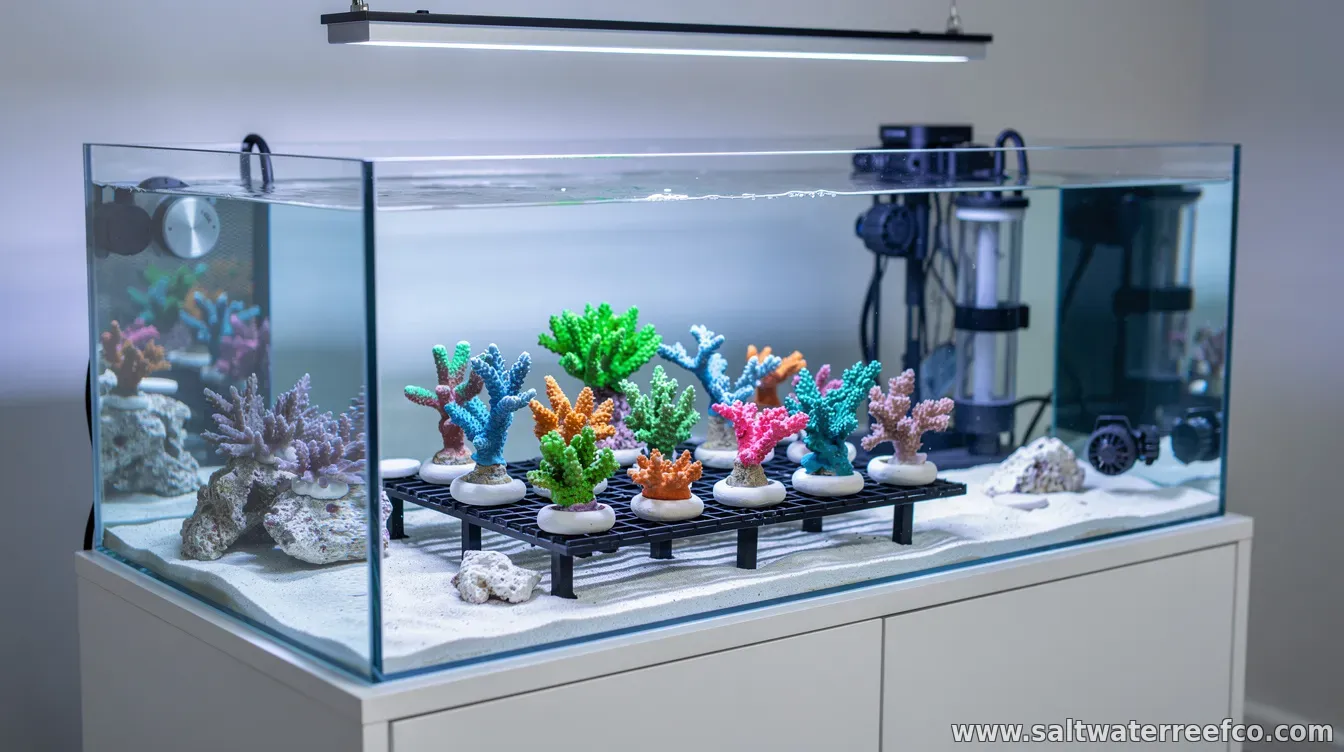
Frag tank setups are designed to stabilize conditions for small coral colonies (frags) while keeping growth predictable. Whether you’re growing SPS, LPS, or soft corals, the goal is the same: consistent water quality, low stress handling, and the right light and flow from day one. Start with the right tank and stabilityChoose a tank size you can maintain easily—many successful frag systems start modestly and scale up. Focus on stable salinity and temperature more than flashy equipment. Use a lid (for evaporation control), a reliable heater/chiller if needed, and a dosing or top-off method that prevents swings. Even small, frequent changes matter at frag scale. Lighting: match spectrum and intensity to your coral goalsLighting is often the biggest driver of growth and survival in frag propagation. Begin by targeting the needs of the coral type you’re propagating: SPS generally prefers higher PAR and a gradual ramp-up, while many LPS frags do better with lower intensity and more forgiving photoperiods. Use mounting that keeps frags at a consistent distance from the light source. Many keep lights on an acclimation schedule—shorter photoperiods and/or reduced output at first—to avoid bleaching from sudden changes. If possible, verify with a PAR meter and map your frag racks so colonies receive similar conditions. Flow and placement: steady, gentle circulation winsGood flow helps prevent detritus buildup and supports gas exchange, but frags are easy to irritate. Aim for broad, indirect circulation rather than blasting small pieces with point-source turbulence. Consider using multiple outlets or diffusers to create more uniform movement across the tank. Placement matters: higher-flow zones for certain SPS branches and more protected areas for sensitive frags can reduce losses. Keep frag plugs and rockwork arranged so flow reaches all surfaces without constantly dislodging tissue or causing repeated “sandblasting.” Filtration, water quality, and nutrient balanceMost frag tanks succeed with a simple, proven approach: stable filtration, strong surface skimming, and nutrient control that avoids extremes. Many operators use combinations of mechanical filtration (to keep particles low), biological media (for nitrification), and protein skimming or skimmer alternatives depending on the system design. Rather than chasing ultra-zero readings, aim for balanced nutrients. Extremely low nutrients can limit growth and make corals more susceptible to stress, while consistently high nutrients can fuel nuisance organisms and reduce clarity. Track key parameters such as salinity, temperature, alkalinity, calcium, magnesium, nitrate, and phosphate on a regular schedule. Acclimation and propagation handlingPropagation outcomes often hinge on how you introduce new frags to the frag tank. Start with a quarantine or observation period when possible, especially if frags come from different systems or from events where pests may be a concern. Even if you don’t quarantine long-term, a brief acclimation period with careful monitoring can prevent spreading problems. When moving frags, keep changes small: match temperature and salinity, minimize time out of water, and place frags in stable flow/lighting zones rather than “experimenting” mid-session. Handle with clean tools, avoid scraping live tissue, and ensure frags are secured so they don’t topple or touch rough surfaces during early recovery. To maximize survival, be disciplined about routine maintenance: gentle detritus removal, topping off for salinity, and consistent testing for the variables that affect calcification and tissue stability. Over time, you’ll be able to standardize positions, ramp schedules, and feeding/handling routines for each coral type. Next steps: pick your coral targets (SPS, LPS, soft), choose a lighting plan and PAR/placement strategy, then lock in water stability and nutrient balance. Once your baseline is stable, add frags gradually and refine based on survival and growth over the first few weeks. | |
|
| |
Next & Previous posts