1:21 AM Beginner Guide to Coral Fragging: Safer Propagation Basics | |
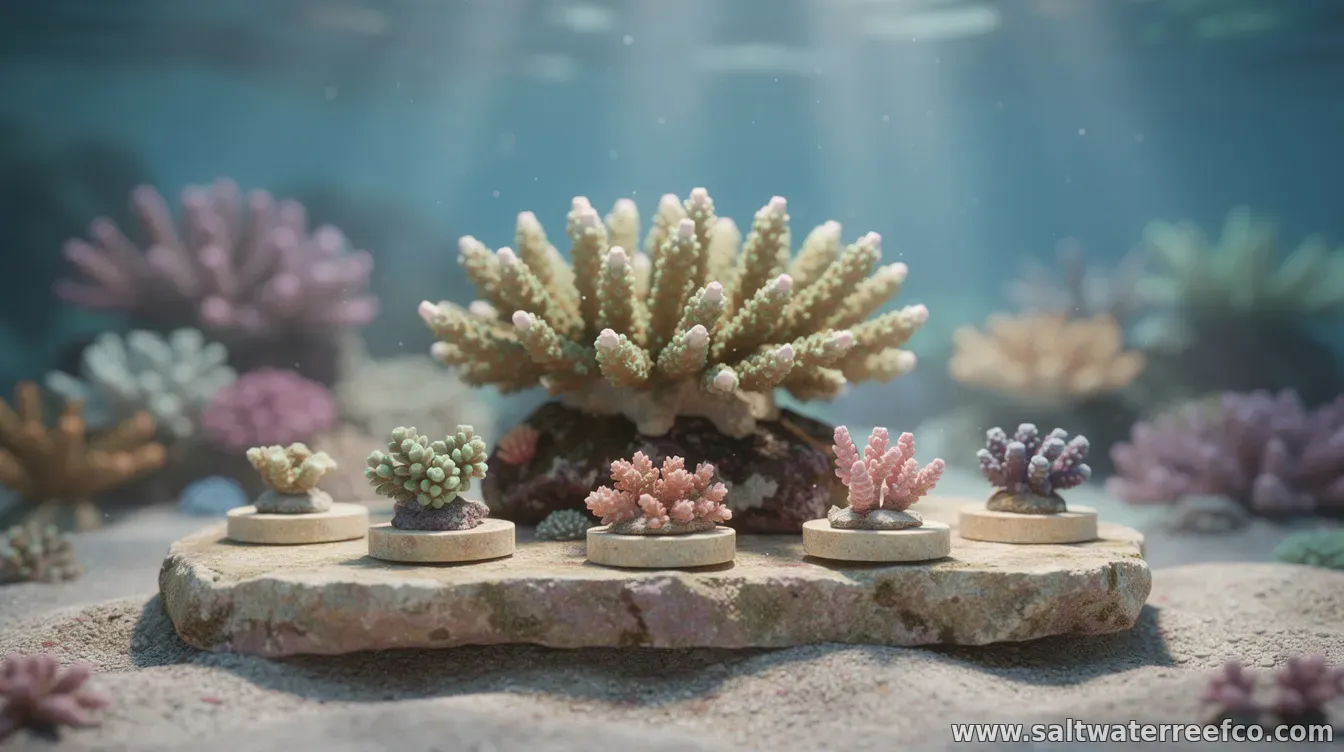
Coral propagation—often discussed in the reef-keeping world as “fragging”—has become a popular topic for beginners looking to expand tank biodiversity without relying solely on new wild-collected colonies. But experts and conservation-minded aquarists stress that success depends less on speed and more on careful preparation, clean handling, and ethical sourcing. Before attempting any fragmentation, it’s important to check the legal and ethical rules in your area and aquarium supply chain. Many regions restrict coral collection, and reputable sellers document captive-bred or aquacultured specimens. For beginners, starting with legally sourced, sustainably produced corals is the clearest first step. Start with the right coral and stable conditions Not all corals respond equally to propagation. Many beginners find success with hardy species commonly available through aquaculture channels, provided their tank has stable water quality. In general terms, consistent temperature, appropriate salinity, strong—but not blasting—flow, and balanced lighting are prerequisites. Sudden swings can stress corals far more than the fragging process itself. Tools and handling: prioritize hygiene Beginner-friendly fragging typically revolves around minimizing contamination and physical damage. Aquarists often emphasize using clean equipment, good visibility, and avoiding contact that can crush tissue. Keeping frag pieces secure—without excessive handling time—helps reduce stress. Where possible, many community guides encourage working with dedicated, tank-safe materials and maintaining a simple, repeatable workflow. Clipping or cutting: what “responsible” looks like While hobbyists use a variety of methods to create new coral fragments, responsible guidance usually highlights fundamentals: only fragment when the coral is healthy, avoid overworking the specimen, and keep frag pieces properly positioned after separation. Beginners are also urged to treat fragmentation as a high-stress event—one that should be planned around your tank’s ability to recover stability. Equally important is aftercare. Many aquarists recommend placing frags in appropriate flow and light conditions immediately after attachment or placement. Overly aggressive flow can dislodge pieces, while insufficient flow may hinder recovery. Patience matters: newly propagated frags may take time to reattach and show visible signs of growth. Attachment and placement: reduce the odds of failure Successful propagation isn’t only about making a fragment—it’s about helping it stay put and survive long enough to heal. Depending on the coral type and your system, beginners often use common aquarium-safe fastening approaches. The goal is consistent positioning in the tank’s “sweet spot,” where the frag experiences the right balance of light and water movement. Ethics and conservation: why sourcing and scale matter Conservation groups and reef educators commonly remind hobbyists that fragging should not become a substitute for protecting reefs. Responsible propagation can be part of a broader sustainability approach: prioritize aquacultured stock, avoid illegal trade, and share knowledge in ways that encourage best practices rather than rapid turnover. For beginners, starting small and learning to keep the original colony healthy often leads to better long-term outcomes. With stable tank conditions, clean handling habits, and an ethical supply chain, coral fragging can be a learning-focused way to support captive coral growth. For anyone considering propagation, the safest next step is to research the specific coral species you plan to fragment, follow guidance from reputable reef-keeping communities, and seek local regulatory clarity before proceeding. | |
|
| |
Next & Previous posts