11:44 PM Silicates & Phosphates: Common Sources and Fixes | |
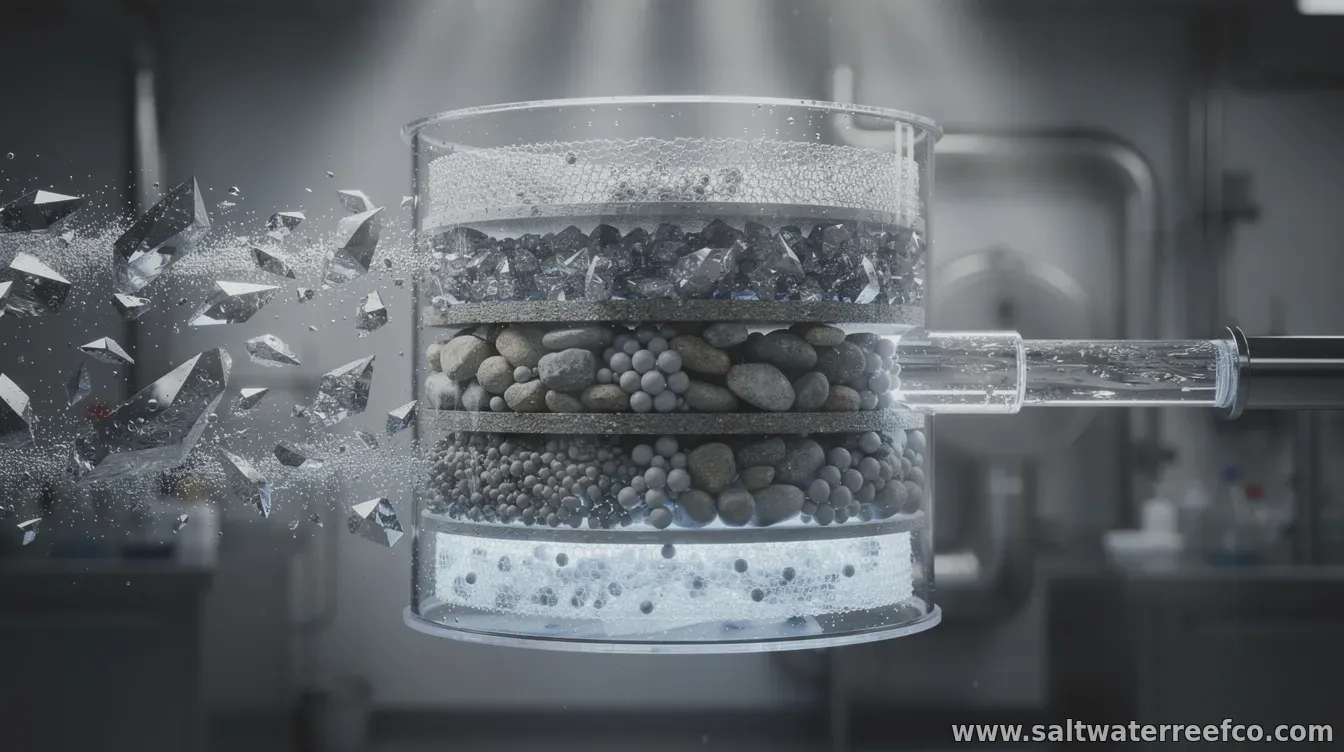
Silicates and phosphates are two of the most persistent “mystery nutrients” that trouble aquarium keepers. Even when water looks clear, these compounds can slowly accumulate from routine inputs and environmental conditions, eventually showing up as algae blooms, film algae, or persistent cloudiness. The good news: in most cases, you can identify the source and reduce both effectively with targeted changes. What silicates and phosphates doSilicates (often measured as dissolved silicate) are readily available for algae that can use silicon-based compounds, while many forms of silicate release are tied to new tanks, disturbed substrates, or specific water sources. Phosphates (usually measured as PO4) are a key energy source for a wide range of algae and biofilm organisms. When phosphate and silicate both remain high, algae has multiple pathways to thrive—making fixes harder if you treat only one. Common sources of silicatesSilicates frequently enter systems through source water and can also be created inside the tank. Common culprits include tap water with elevated silicates, tap-to-tank blending during water changes, sand or rock that leaches silicates, and disturbed sand beds or older substrate that releases trapped material. New setups often show higher readings because materials have not fully “stabilized” and biofilms are establishing themselves. Other hidden contributors include contaminated or improperly maintained filter media, silicate-containing additives used for aesthetics or buffering, and even overfeeding that indirectly supports the growth of algae communities capable of exploiting available silicates. Common sources of phosphatesPhosphates are usually more closely tied to feeding and organic loading than many keepers expect. Overfeeding is a top driver: uneaten food and fish waste break down into phosphate as bacteria and biofilms process organics. Certain foods also carry significant phosphorus, and phosphate can accumulate gradually even with “reasonable” feeding if the system is under-exporting nutrients. Other sources include tap or RO/DI water that still contains phosphate, leaching from rocks, sand, or decorative materials, and decaying plant matter or detritus trapped in filters and substrate. In some systems, insufficient water movement or mechanical filtration lets fine particulates linger long enough to raise phosphate. Fixes that actually target the root causeThe most reliable approach is “measure, reduce, and prevent.” Start by confirming levels with consistent test kits or lab testing where possible, then adjust inputs and nutrient export based on what the numbers say. Because silicates and phosphates behave differently, you may need two complementary strategies. For silicates: test and evaluate your source water first. If tap water is high, switch to RO/DI (and confirm it with testing) or improve your filtration chain. In-tank reductions often require careful substrate management—avoid aggressive stirring, clean accessible detritus, and consider replacing or bypassing problematic sand or media if it continues to leach. Running the appropriate silicate-removal media in the filtration flow (used correctly and replaced on schedule) can accelerate recovery in many cases. For phosphates: improve feeding discipline (feed less, remove uneaten food quickly), raise mechanical export (especially for fine particulates), and ensure biological filtration is not overwhelmed by untreated organics. Protein skimming (for marine systems) and strong detritus control can reduce the internal production of phosphate. For freshwater systems, more consistent water changes, targeted removal of organic buildup, and careful adjustment of feeding often deliver faster results than relying solely on phosphate binders.
Stabilization: avoid rebound and new bottlenecksA common mistake is to “shock” the system by changing everything at once—new salt mix or additives, new filtration media, and altered feeding—without allowing biology to stabilize. This can cause rebound, where nutrients rise again after an initial drop. Instead, implement fixes in a controlled sequence: improve source water and export first, then refine feeding and filtration. Monitor weekly to see whether your changes reduce the underlying input or only mask it temporarily. Also watch for side effects. Over-aggressive substrate cleaning or excessive water chemistry adjustments can stress livestock and disrupt beneficial microbial communities, which may temporarily worsen algae. Aim for steady progress rather than abrupt swings. How to know you’re winningIf silicates are the driver, nuisance algae and films often ease after source water is corrected and leaching materials are addressed, with improvements tracking your measured silicate trend. If phosphates are the driver, algae growth typically slows as phosphate values fall and remain stable—especially once detritus is controlled and feeding is dialed in. In both cases, the best sign is not just a single test result, but a sustained pattern of lower readings alongside calmer tank visuals. Silicates and phosphates are rarely “random.” They come from identifiable inputs—water, food, materials, and trapped organics—and they respond to targeted interventions. Measure carefully, fix at the source, and maintain nutrient export consistently to keep the system stable long after the immediate algae problem fades. | |
|
| |
Next & Previous posts