0:19 AM How to reduce and control nitrate and phosphate | |
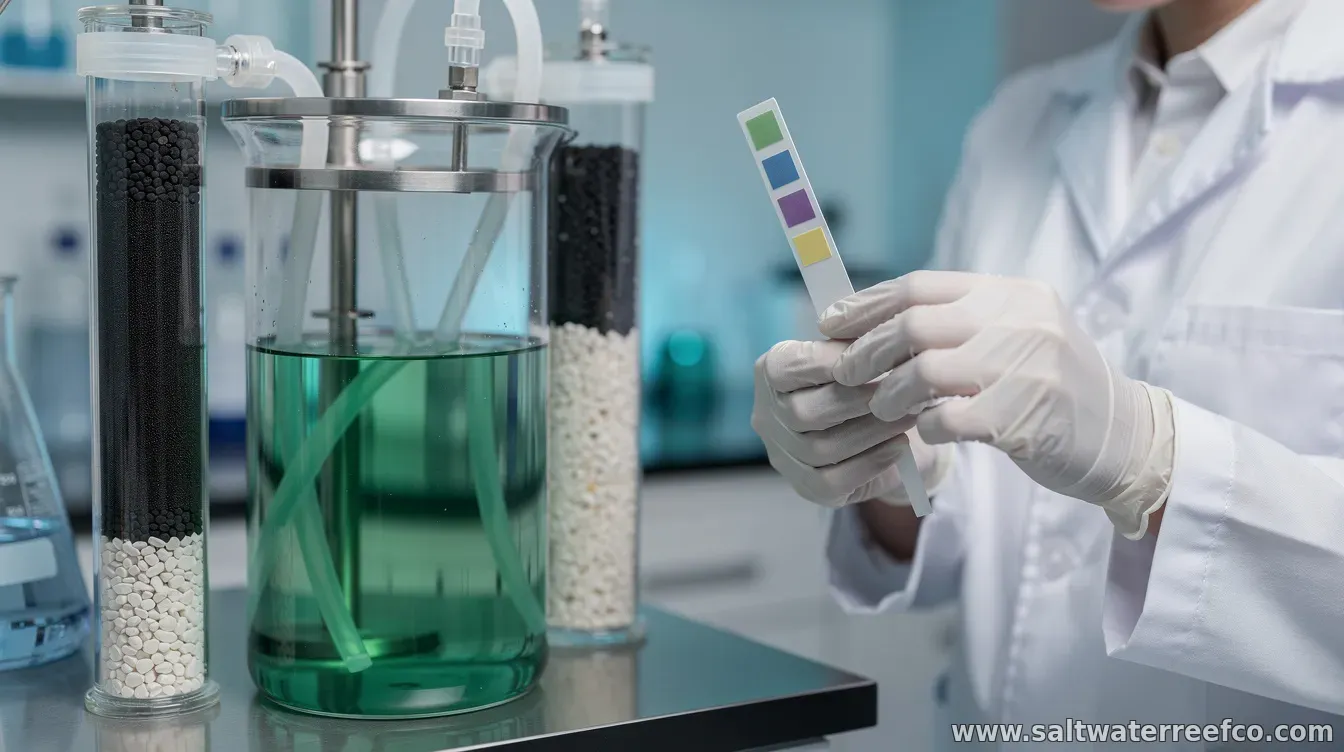
Nitrate and phosphate are essential nutrients in small amounts, but when they build up in lakes, rivers, groundwater, and coastal waters they can cause major ecological damage. Elevated nutrients feed algae and aquatic plants, which can deplete oxygen, harm fish and wildlife, and in some cases lead to toxins. Whether the source is fertilizer runoff, wastewater, septic systems, or stormwater, control requires both prevention and ongoing monitoring. First, identify where the nutrients are coming from. In many regions, nitrates primarily enter water through agricultural and lawn fertilizer use, animal waste, leaking septic systems, and certain industrial discharges. Phosphates often come from detergents (in places where they’re not restricted), fertilizers, food and organic waste, and sediment stirred up by erosion. Nutrient control is most effective when you address the dominant pathway rather than relying on treatment alone. Reduce nitrate at the sourceLower nitrate concentrations typically means controlling nitrogen inputs and improving how they’re applied. For lawns and gardens, use soil testing first, apply fertilizer only when needed, and follow local recommendations for timing and dosage. Splitting applications can reduce runoff risk compared with one heavy dose, while high-quality compost and slow-release fertilizers often lower the chance of nutrient losses. For agriculture, stronger nitrate control usually includes buffer strips and vegetated waterways to intercept runoff, improved manure management, and more precise nutrient planning based on crop demand. Where feasible, cover crops can capture residual soil nitrogen and reduce leaching during off-seasons. If livestock operations are involved, prompt collection and treatment of manure and proper storage reduce the volume of nutrients available to wash into waterways. Control phosphate with targeted preventionPhosphate management often begins with limiting what enters the system. Using phosphate-reduced or phosphate-free products (where regulations allow), preventing erosion, and managing leaf litter and soil disturbance can noticeably reduce phosphorus loads. Because phosphorus tends to bind to soil particles, erosion control—such as mulching, stabilizing bare ground, and maintaining vegetation—can be as important as fertilizer use itself. In water systems like ponds or aquaculture facilities, phosphate can be lowered through a combination of source control and treatment. Removing nutrient-rich sediments and improving circulation can reduce internal loading, while periodic media-based filtration or chemical precipitation may be used depending on water chemistry and local guidance. Use treatment methods that match the situationWhen nutrients are already present, appropriate treatment technologies can reduce nitrate and phosphate levels—especially in wastewater and some engineered water systems. Nitrates are often reduced biologically through processes such as denitrification, which converts nitrate into nitrogen gas under low-oxygen conditions and requires suitable carbon sources. Many facilities rely on optimized aeration and treatment train design to ensure enough time and the right conditions for microbes to do the work. Phosphate control commonly uses chemical precipitation (for example, with iron- or aluminum-based coagulants) or adsorption media that bind phosphorus. The choice depends on desired effluent quality, sludge handling capacity, and cost. For smaller systems, guidance from local environmental and public health agencies is essential to avoid unintended effects on downstream ecosystems. Monitor consistently and respond earlyEven well-designed controls fail if conditions change—such as new development, seasonal runoff patterns, or shifts in fertilizer practices. Regular testing of nitrate and phosphate (and often related indicators like turbidity, dissolved oxygen, and algal growth) helps detect upward trends before they become emergencies. For household and community water users, follow local sampling schedules where available, and keep records of test results to support targeted troubleshooting. When levels rise, investigate the most likely triggers: heavy rainfall after fertilization, construction and exposed soil, malfunctioning septic components, or blocked drainage pathways. Quick corrections—like pausing fertilizer during high-risk periods, repairing leaks, addressing erosion, and improving stormwater capture—can prevent repeated nutrient pulses. Practical checklist for getting started
Nitrate and phosphate control is ultimately a system problem: prevent nutrients from entering, manage them within the system, and verify results through monitoring. With the right mix of source reduction, erosion/runoff control, and targeted treatment, nutrient levels can be brought down and held steady—protecting water quality, ecosystems, and public health. | |
|
| |
Next & Previous posts