0:12 AM Clownfish and Anemones: Symbiosis and How to Keep Them Together | |
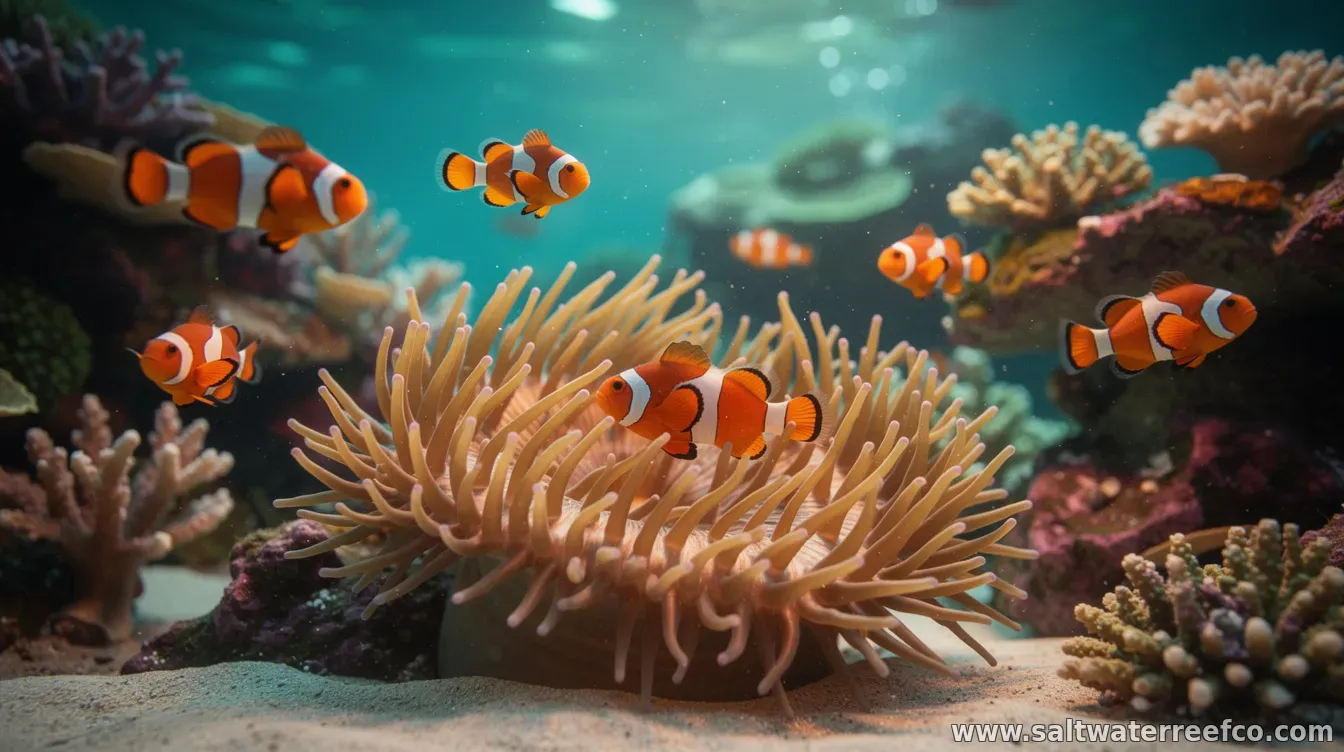
Clownfish and sea anemones are one of the most recognizable marine symbioses—an alliance that helps both animals survive in the wild. In aquariums, recreating the conditions that allow this relationship to function can be rewarding, but it also demands careful planning and stable water quality. At the core of the partnership is protection. Sea anemones use stinging cells to deter predators, providing shelter among their tentacles. Clownfish, however, are able to live safely inside this territory, avoiding harm while gaining refuge from threats. The “how” is largely biological adaptation. Clownfish develop a tolerance to anemone chemicals and mucus, effectively letting them acclimate to their host’s defenses. Aquarists often describe this as a gradual “learning” phase, where the fish are introduced in a way that supports a calm, compatible transition. In return, clownfish can benefit the anemone through behaviors that look protective and caretaking. They may chase away small intruders, increase water movement around the tentacles by their activity, and contribute nutrients via waste. Together, these effects help the anemone maintain energy and health—especially in nutrient-poor reef settings. Choosing compatible speciesNot all clownfish pair equally with all anemones. In nature, host specificity is common, and aquariums generally see better outcomes when the clownfish and anemone species are known to associate in the wild. Before purchasing, confirm compatibility and research the specific host relationship for the species you plan to keep. Species matters not only for survival, but also for temperament. Some anemones are more sensitive to handling, lighting shifts, or flow changes than others, while clownfish personalities can influence whether the system remains calm during establishment. What the tank must get rightSuccessful hosting in captivity typically depends on stable, appropriate reef conditions. Strong but controlled water movement supports gas exchange and helps keep detritus from settling around tentacles, while lighting intensity and spectrum must match the anemone’s needs (many rely on symbiotic algae). Temperature, salinity, and nutrient balance should be kept consistent to avoid stress during the acclimation period. Because clowns spend time around their anemone host, their feeding habits can influence water quality. Overfeeding increases dissolved nutrients and can destabilize a tank already sensitive to algae control and anemone health. Aim for a feeding routine that supports the fish without constantly pushing the system toward excess nutrients. Also consider physical space. Anemones can grow, move, or “walk” when unhappy, and a host that shifts repeatedly may irritate the clownfish or stress the anemone. Provide stable placement options (adequate light and flow at the chosen spot) and minimize unnecessary disturbances once it settles. Acclimation and introduction approachWhen introducing clownfish and anemones, the goal is to reduce stress for both animals. If possible, establish the anemone in the tank first so lighting, flow, and water chemistry stabilize around it. Once the anemone appears settled and feeding well, introduce clownfish gradually and monitor behavior closely. During early days, it’s common for the clownfish to hover, test, and gradually spend more time near the tentacles. If the fish repeatedly shows distress—rapid retreating without any tentative engagement—or the anemone appears to recoil dramatically, reassess compatibility, water parameters, and the quality of placement (light and flow). Red flags and common pitfallsMany problems are caused by instability rather than a single “wrong” product. Frequent temperature swings, abrupt lighting changes, unstable salinity, or aggressive powerhead adjustments can all trigger stress responses. Anemones that stay shrunken, show persistent gaping, or appear to lose condition often indicate that the tank environment is not yet meeting their needs. Similarly, clownfish bullying or constant harassment can keep the tank from becoming a calm micro-territory. Watch for incompatible pairings, and be prepared to remove and rehome a fish if aggression escalates or if the anemone does not tolerate the relationship. Clownfish and anemones can thrive together when their mutual needs—chemical tolerance, proper lighting and flow, stable water quality, and realistic space—are met. With deliberate species matching and a steady, reef-ready setup, aquarists can observe the same protective, cooperative behaviors that make this symbiosis so enduring. | |
|
| |
Next & Previous posts