0:46 AM Anemones and Clownfish: Building a Symbiotic Display | |
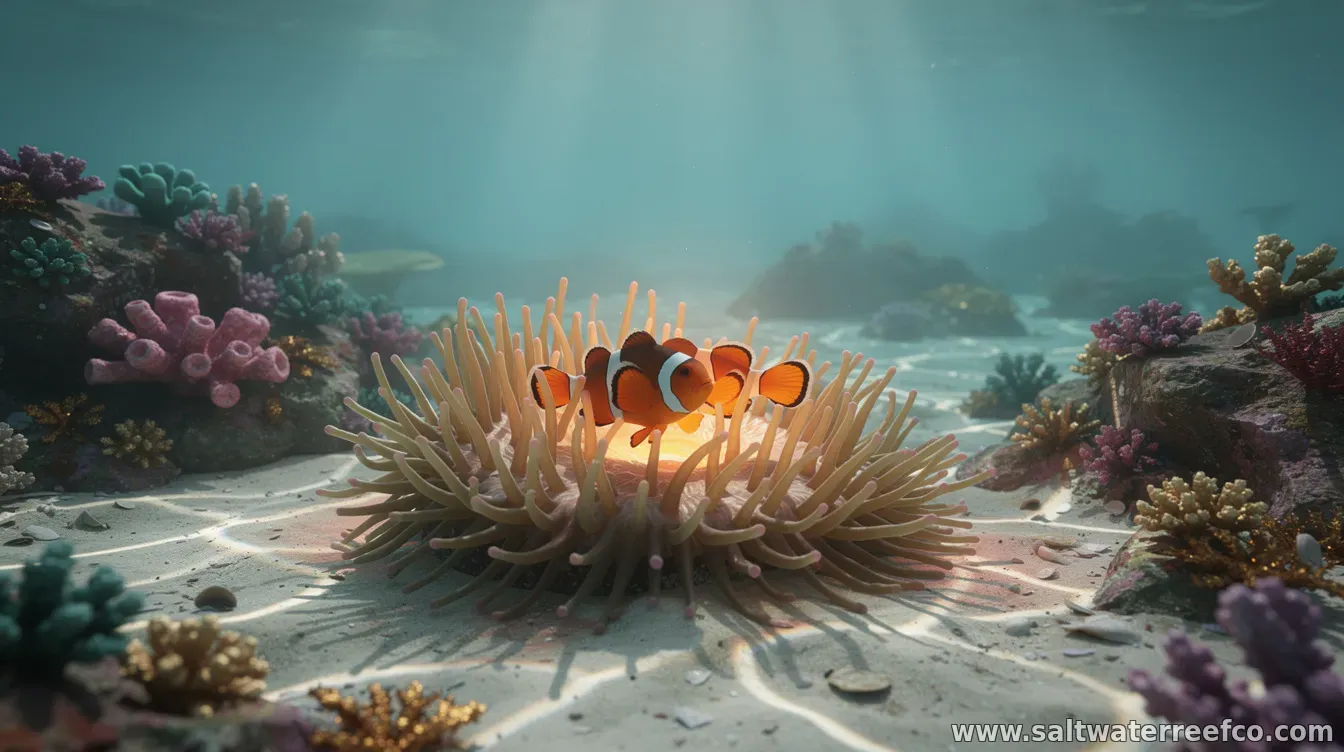
Few aquarium setups capture nature’s drama like a clownfish and its host anemone. In the wild, the relationship is mutual: the anemone offers shelter and protection, while the clownfish helps defend its territory and can contribute nutrients through waste. In captivity, however, the display only works well when the aquarist replicates the conditions that let the anemone thrive. Before purchasing anything, treat the anemone as the “limiting factor.” Many anemones are demanding—especially regarding water quality, lighting, and chemistry stability. A clownfish may survive a wider range, but it can become a stressor for an anemone that isn’t ready. Pick compatible species firstNot every clownfish pairs with every anemone. Compatibility varies by species and by local strains. Common aquarium combinations often include certain Amphiprion species with anemones such as Entacmaea (often sold as “bubble-tip”), but aquarists should verify compatibility from reliable species-specific husbandry sources rather than relying on general “clownfish + anemone” assumptions. Also consider behavior. Some anemones remain small and stay put; others expand widely and can sting nearby corals or tankmates. Planning your layout around anemone footprint helps prevent long-term conflicts that can undermine the display. Get the tank conditions rightClownfish can tolerate many marine parameters, but anemones are less forgiving. For most species, stable temperature and low fluctuations matter as much as the exact reading on test kits. Clean, oxygenated water with consistent salinity is typically essential, along with disciplined feeding and careful nitrate control. Lighting is another make-or-break factor. Many anemones rely on photosynthetic symbionts and require adequate light intensity and spectrum. If lighting is too weak, an anemone may slowly deteriorate; if it’s too strong without acclimation, it can respond with retraction and stress. Let the anemone settle—and avoid premature “pairing” pressureEven when species are compatible, timing influences success. Anemones often take time to attach securely and “choose” a home spot—sometimes moving repeatedly in early days. During this period, frequent rearranging of rocks, aggressive water flow changes, or sudden equipment adjustments can keep the anemone from establishing itself. Clownfish can be added early or later depending on the tank and the anemone’s behavior, but the goal is the same: reduce stress and give both animals time to adapt. In some setups, the clownfish will naturally adopt the anemone once it stabilizes; in others, the fish may initially hover nearby, which can still be a normal phase rather than a failure. Manage flow, feeding, and long-term healthWater flow should be strong enough to keep detritus from settling and to deliver oxygen, but not so direct that it prevents tentacle function. Fine-tuning placement—both of the anemone and of the powerhead outlets—often determines whether the anemone expands comfortably. Feeding practices vary by species and by whether the anemone is actively photosynthetic in your lighting. Many aquarists feed sparingly and focus more on stable environment and good light. Overfeeding the tank can raise nutrients and trigger algae or water quality swings, which can quickly harm an anemone. Finally, treat your system as a living ecosystem. Sudden chemical shifts—whether from new additives, large water changes, or untested equipment—can undo weeks of stability. A successful symbiotic display is less about a single “trick” and more about patience, compatibility planning, and maintaining consistent conditions that allow both animals to flourish. | |
|
| |
Next & Previous posts