11:59 PM Clownfish Care Guide: What to Know Beyond Nemo | |
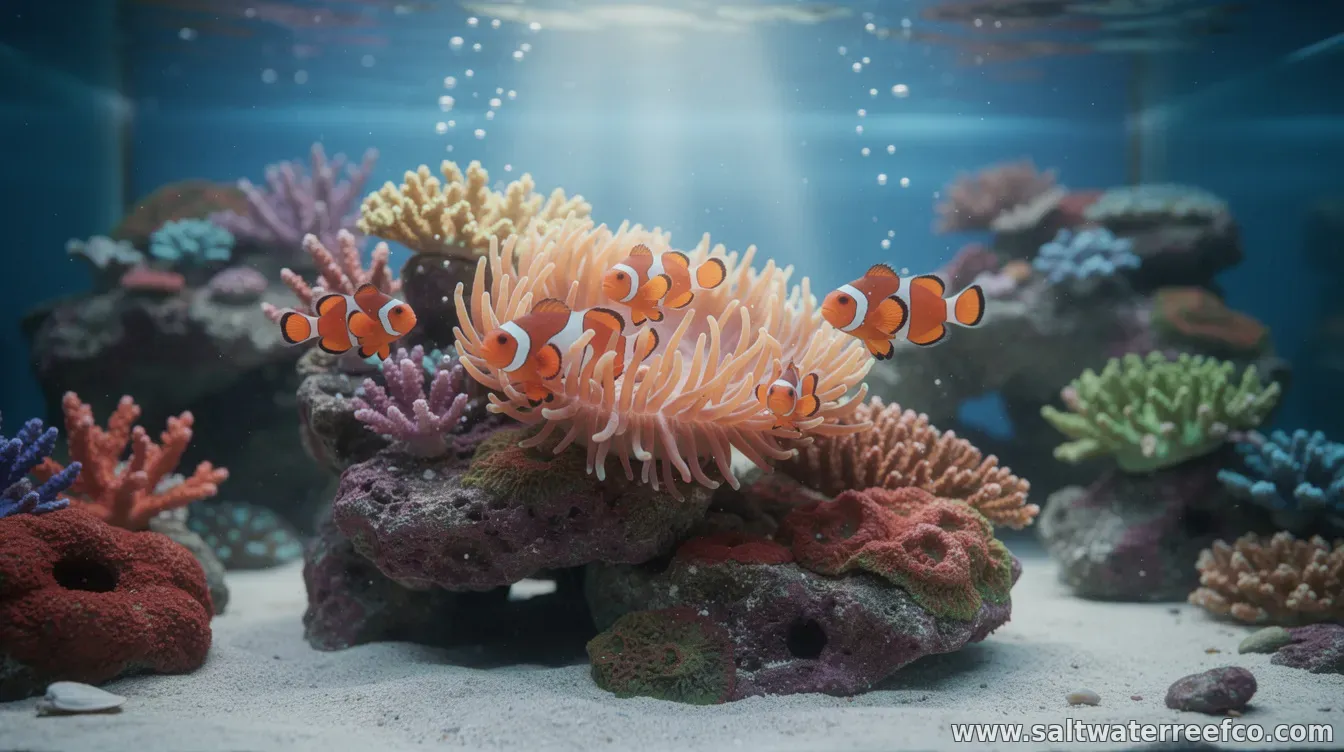
Clownfish are among the most recognizable reef fish, but good care starts long before you pick a “bright orange buddy.” Whether you plan a simple clownfish setup or a more complex tank with an anemone, the basics—stable water parameters, compatible tankmates, and consistent feeding—make the difference between a thriving animal and an avoidable stress cycle. This guide covers what most keepers need to plan for, plus common pitfalls that can show up even in tanks that “look right” on day one. 1) Choose the right species—and the right systemNot all clownfish have the same needs. Some varieties stay small and do well in nano-to-mid-sized tanks, while others grow larger or may be better suited to more established reef systems. Start by matching species to your tank size, filtration capacity, and available space for territory—clownfish are active and can claim corners or host areas. If you’re aiming for an anemone-associated setup, research the anemone’s requirements first. Many anemones demand stable, mature reef conditions, strong water movement, and high-quality lighting, which can raise the overall difficulty of the aquarium. 2) Prioritize water quality and stabilityClownfish care is strongly tied to water stability. Keep salinity, temperature, pH, and ammonia/nitrite at safe levels, and avoid large swings. In practice, that means using reliable equipment (thermometer, heater controller, refractometer or hydrometer, testing kits) and ensuring biological filtration is well established before adding fish. Many problems blamed on “bad clownfish genetics” are actually early-cycle issues or inconsistent husbandry. Give the tank time to mature, and only then introduce fish that are sensitive to unstable conditions. 3) Feeding: regular, varied, and portionedClownfish are omnivores and will accept a range of foods, but diet quality matters. A common approach is a mix of high-quality prepared foods (pellets or frozen) supplemented with occasional meaty items such as mysis shrimp or other suitable frozen foods. Feed small portions multiple times per day, or an appropriate schedule for your tank’s size and feeding response. A key rule: don’t overfeed. Excess food increases nutrient load and can worsen algae and water quality, which in turn stresses fish and can disrupt beneficial reef balance. 4) Understand hosting behavior and anemone compatibilitySome clownfish naturally host anemones; others can be kept without one. If you plan an anemone, aim for compatibility and prepare for a long adjustment period—anemones may relocate, and clownfish may take time to settle. Ensure lighting and flow are appropriate for the anemone species you choose. If you’re skipping anemone care, provide alternative “structure” such as live rock caves or branching corals (where appropriate). While clownfish may still pair off and claim territories, they generally do best when they have places to explore, hide, and establish boundaries. 5) Pairing and tankmates: reduce conflictClownfish are often best kept with a plan for social dynamics. Many keepers keep a bonded pair, but new introductions can trigger stress if the territory and hierarchy aren’t established. If you’re trying to form a pair, introduce fish in a way that minimizes aggression and provide enough space that any chasing or posturing doesn’t become constant. When choosing tankmates, consider temperament and feeding behavior. Avoid aggressive competitors that repeatedly harass clownfish, and ensure other fish won’t outcompete them for food. In well-run reef tanks, clownfish can coexist smoothly with many peaceful species. 6) Breeding basics: what’s realistic in a home aquariumClownfish can breed in captivity, but breeding success depends on mature tank conditions, stable water, and suitable social pairing. Eggs are often laid on a flat surface near the host (anemone or another preferred site) and may require consistent care conditions. Home aquariums can support breeding, but hatching and raising fry is an additional challenge that requires extra planning. Instead of focusing solely on “will they breed,” prioritize long-term stability and good health—breeding is a bonus outcome when the system is right. Clownfish care ultimately rewards consistency. Start with a properly cycled tank, maintain stable water parameters, feed a varied diet in controlled portions, and choose housing and tankmates with the fish’s natural behavior in mind. With the right setup, clownfish can be active, hardy, and rewarding for years—without relying on movie magic. | |
|
| |
Next & Previous posts