3:33 AM Office Aquarium Installations: Benefits and ROI Explained | |
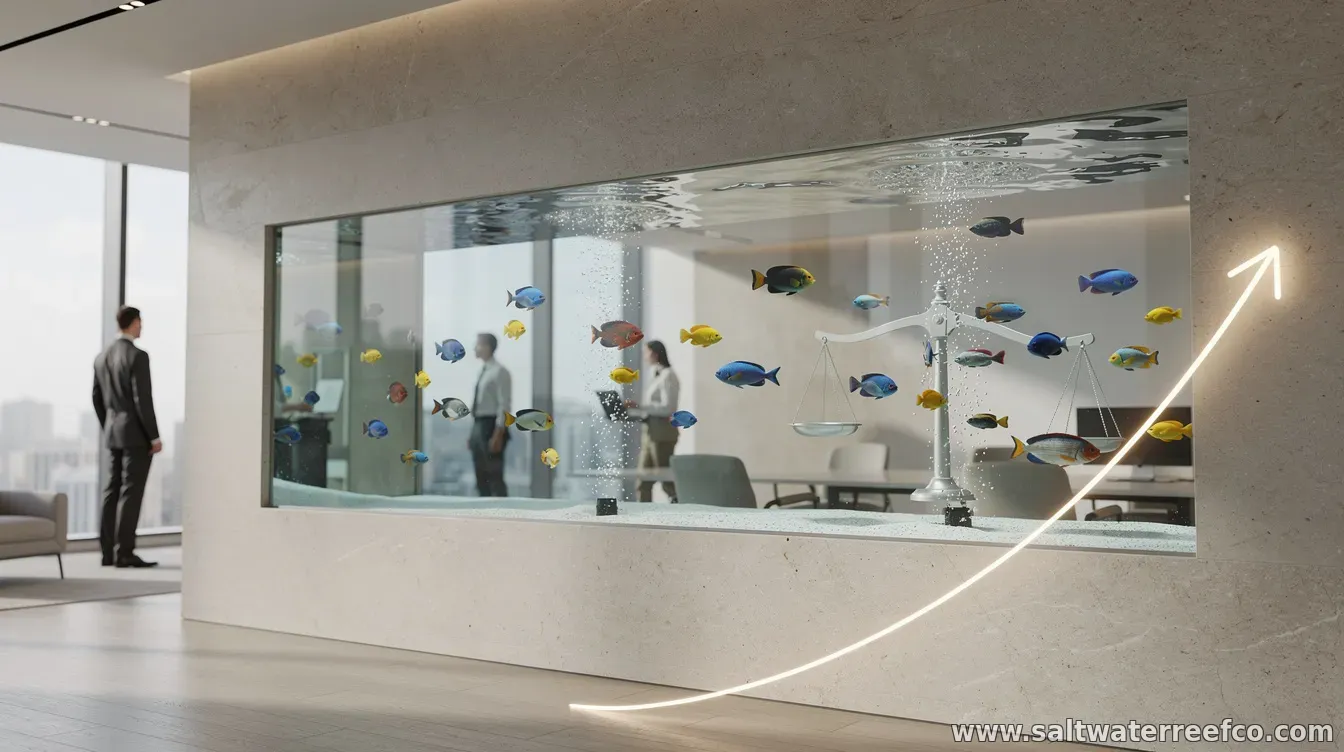
Office aquarium installations—ranging from small tabletop tanks to large custom-built displays—are emerging as a niche amenity for modern workplaces. While aquariums are often chosen for their visual appeal, many organizations now evaluate them through employee experience metrics and business performance indicators. Why companies install office aquariumsBeyond aesthetics, an aquarium can create a calmer environment in high-traffic spaces such as lobbies, reception areas, break rooms, and wellness corners. The steady movement of fish and water can serve as a low-stimulation focal point, which some workplaces use as part of a broader “stress-reduction” or “well-being” strategy. In client-facing settings, a well-designed aquarium can also signal care, professionalism, and an investment in employee culture. For teams with frequent visitors—such as financial services, clinics, coworking spaces, and B2B sales offices—the visual impact can be a practical brand differentiator. Operational benefits to considerWhen properly designed and maintained, office aquariums can offer measurable workplace advantages. Many employers include aquariums as part of employee retention and engagement efforts, especially in environments where burnout and noise levels are common. They can also support practical workflow improvements: for example, a calmer reception area may make wait times feel shorter, and a dedicated display space can reduce the likelihood of cluttered visual distractions. Additionally, some vendors provide turnkey services—tank setup, filtration, lighting, and scheduled maintenance—reducing the operational burden on internal staff. How to estimate ROIReturn on investment typically comes from a mix of tangible and intangible factors. Tangible ROI often includes costs avoided through outsourcing (if you previously managed similar upkeep tasks) and any direct increases in revenue linked to improved client experience. Intangible ROI is frequently tied to engagement, reduced absenteeism, and retention—outcomes that are harder to measure but can be modeled over time. A practical approach is to build an ROI worksheet that includes upfront and ongoing costs: equipment and installation, water treatment and filtration systems, lighting and energy use, insurance or liability considerations (where applicable), and recurring maintenance by a service provider. Sample ROI framework: costs vs. valueTo quantify potential returns, start with baseline operational assumptions and compare them after installation. For example, if your organization can improve retention by even a small margin, the avoided cost of hiring and onboarding can outweigh the aquarium’s annual operating expense. Common value inputs teams use include: estimated impact on employee satisfaction scores, changes in turnover rate, trends in sick days or stress-related complaints, and any observed uplift in client conversion or satisfaction metrics. If your aquarium is in a lobby or meeting-adjacent area, you can also estimate value through customer feedback surveys and Net Promoter Score (NPS) changes. Many businesses find the most credible ROI cases are those with a clearly defined placement and objective—such as improving client experience in a reception area or supporting wellness goals in a staff-only space. In those scenarios, you can link outcomes to a before-and-after measurement window. Finally, ROI depends heavily on execution. A high-quality installation that accounts for viewing comfort (lighting, noise control, and tank placement), safe maintenance access, and appropriate staffing for feeding and cleaning is more likely to deliver consistent results. For organizations aiming for ROI, choosing the right tank size, species compatibility, and a maintenance schedule is as important as the initial purchase. As offices increasingly compete for talent and look for low-effort ways to improve daily experience, office aquariums may offer a distinctive—and potentially cost-effective—way to enhance both workplace atmosphere and client perception. The strongest business cases come from pairing the installation with measurable goals, clear maintenance planning, and a realistic accounting of both costs and expected value. | |
|
| |
Next & Previous posts