2:11 AM Nano Reef Tank for Beginners: What Size Makes Sense | |
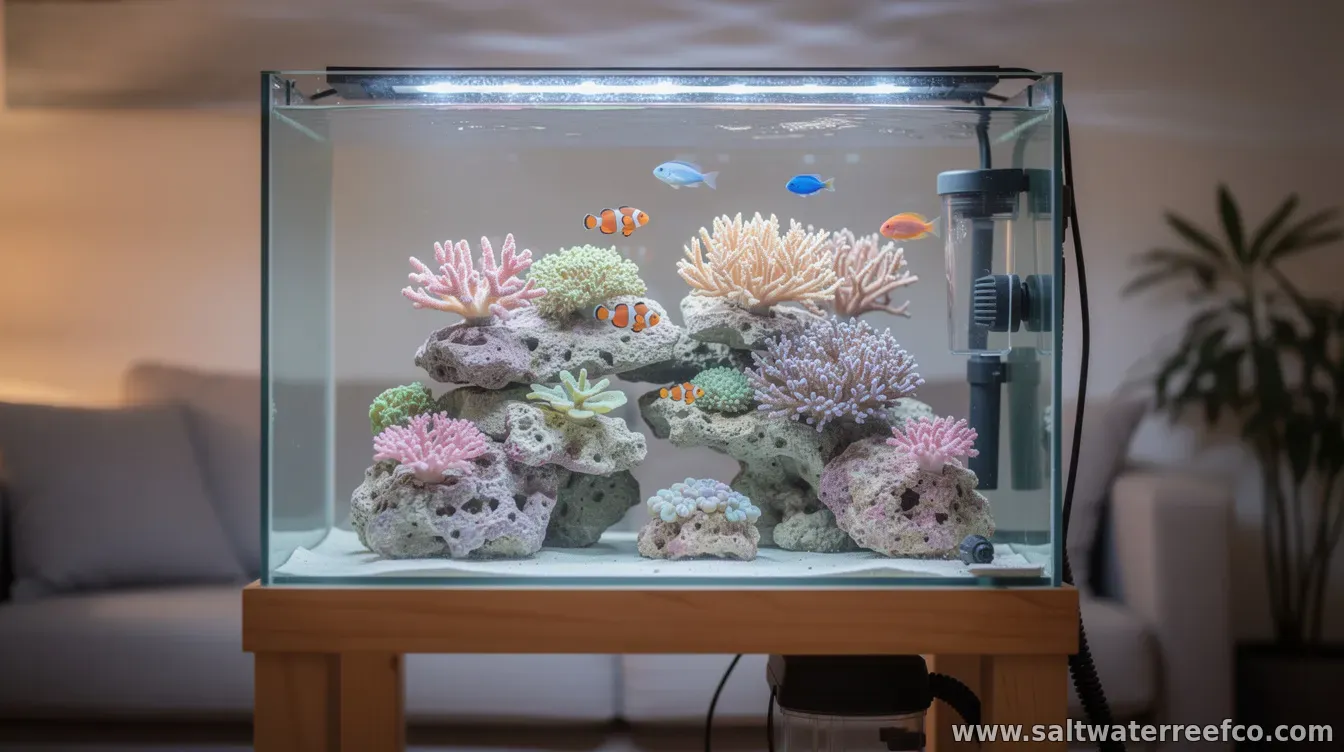
Starting a reef tank is exciting, but the ocean’s complexity can be intimidating. Nano reef tanks—typically small aquariums—are popular with beginners because they fit on desks or shelves and can be less expensive than larger systems. The key question is what size makes sense for your goals and your ability to maintain stable water conditions. In general, smaller tanks can be easier to set up and upgrade, but they can also swing faster when something goes wrong. Larger tanks tend to be more forgiving because water chemistry changes more slowly. Beginner-friendly nano planning usually means choosing a size large enough for stable temperature and filtration while still staying within your space and budget. Start with what you can maintain consistentlyBefore choosing gallons, think about your routine. Reef aquariums require regular water checks, top-offs, and maintenance. If you travel often or want minimal daily involvement, lean toward the larger end of the nano range. If you have consistent time for monitoring, you can consider smaller setups—just be prepared to respond quickly to parameter changes. Common “good starter” sizes for nano reefsMost beginner nano reef plans fall into a practical range that balances stability and cost. A 15–20 gallon tank is often a popular first reef size: it’s big enough for meaningful filtration options and water volume buffering, while still being approachable for a beginner. A 10–15 gallon tank can work if you keep the stocking light and you’re disciplined about testing and dosing. Going smaller than that is possible, but it typically raises the skill requirement. Regardless of gallon size, the tank’s footprint matters. A longer footprint can help provide swimming space and more stable equipment placement. Likewise, a tank that’s easy to access for water changes and cleaning will reduce the chance of skipped maintenance—one of the most common reasons reef setups struggle. Filtration and water volume: the stability trade-offIn small tanks, temperature and salinity can drift more rapidly, especially if evaporation is high or cooling/heating is inconsistent. That’s why the tank size you choose should align with your equipment plan. Many beginners underestimate how quickly evaporation can concentrate salts in nano systems. A size that allows an appropriate filter and a reliable top-off approach can make a noticeable difference in day-to-day stability. As a rule of thumb, the more stable your water volume and temperature control, the easier nano reefkeeping becomes. That means investing in appropriate equipment and not trying to “fit” a reef with undersized filtration or an overly ambitious bioload for the tank. Stocking expectations should match the tankSize isn’t just about gallons—it’s about capacity. Nano tanks can support reef life, but they generally do best with lighter stocking than larger systems. For beginners, consider starting with hardier corals and a small number of fish (or no fish, depending on your approach). Overcrowding a nano reef is a fast path to nutrient spikes, algae problems, and stressed animals. If you want to keep corals from the start, be realistic about lighting and flow needs as well as water chemistry stability. In nano tanks, it’s better to choose a simple, coherent plan than to chase variety early. A steady, sustainable routine will outperform frequent major changes. What “makes sense” for youA good beginner nano size is the one you can maintain without stress. For many new reef keepers, a 15–20 gallon tank offers a practical blend of manageability and stability. If space is tight or budget is the main constraint, a 10–15 gallon setup can still be a viable starting point—provided you keep the system simple and test frequently. Before buying, confirm that the tank comes with (or can be paired with) dependable filtration, adequate heater/cooling control, and a plan for evaporation and salinity management. When those basics are covered, the size question becomes far less intimidating—and your chances of a smooth start increase significantly. | |
|
| |
Next & Previous posts