0:37 AM Hotel Lobby Aquarium: Design Ideas for a Statement Piece | |
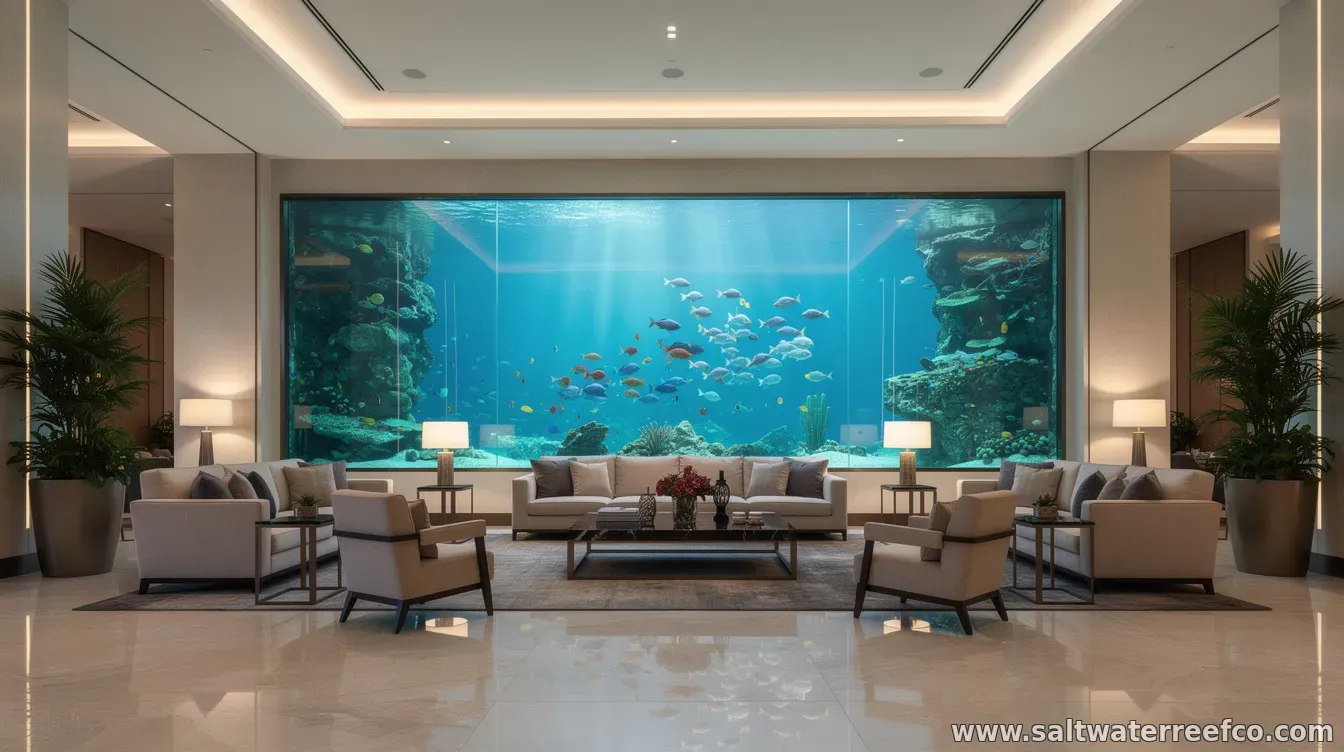
An aquarium in a hotel lobby isn’t just decorative—it can become the venue’s visual signature. Done thoughtfully, it enhances guest arrival moments, supports ambient atmosphere, and creates a “destination” photo spot without compromising circulation, safety, or maintenance. The key is treating the aquarium like architectural infrastructure: a centerpiece that works with sightlines, ceiling height, lighting design, and the guest journey from entrance to reception. Start with the lobby’s “story” and sightlinesBefore choosing the tank size, map the guest experience. Place the aquarium where it’s seen naturally—often from the main entrance, check-in desk, or lounge seating. Consider how the view changes at different heights (standing, seated, and walking) so the tank looks intentional from multiple angles rather than “hidden in a corner.” For lobbies with high ceilings, a tall-format tank or a panoramic configuration can feel more immersive. For smaller footprints, a wide, low aquarium can deliver maximum visibility while keeping pathways comfortable. Choose the right style: focal tank, panoramic wall, or sculptural centerpieceDesign options vary by space and budget. A focal tank—often framed by stone, wood, or metal—anchors the lobby like an artwork. A panoramic “feature wall” aquarium can visually expand the room, especially when paired with matching finishes and consistent lighting temperatures. For a true statement, some properties opt for sculptural placements: curved glass, corner installations, or partially integrated tanks that align with architectural columns. The best style is the one that looks “built in,” not bolted on. Lighting design makes or breaks the effectLighting should be planned with both aesthetics and aquarium performance in mind. Many hotels rely on layered illumination—soft ambient lighting for the lobby and targeted underwater lighting to bring out color and motion. Warm, welcoming lobby lighting can coexist with cooler underwater tones to create contrast and depth. Use adjustable controls to shift brightness for different times of day, and consider glare control so the aquarium remains calming rather than visually harsh. Materials and finishes should match the brandThe tank’s exterior is where branding meets craft. Natural stone and dark metals can communicate luxury and permanence, while lighter woods and brushed finishes can feel airy and modern. Repeating architectural patterns—such as the same panel rhythm as the reception counter—helps the aquarium read as part of the overall design language. Pay close attention to the base and viewing ledge. A well-detailed surround not only elevates the look but also supports safe, comfortable viewing and service access. Plan for maintenance, circulation, and safety from day oneA hotel lobby is high-traffic, so the aquarium must be operationally practical. Incorporate concealed access panels, ensure equipment can be serviced without disrupting guest flow, and design viewing areas that don’t block entrances or seating. Safety features—like tempered glass specifications, secure framing, and appropriate barriers where needed—should be aligned with local codes and installed early in the design process. Create guest-friendly moments without crowding the spaceTo maximize the aquarium’s impact, pair it with thoughtful guest interaction. Comfortable sight lines from a nearby lounge chair or bench encourage lingering, while subtle wayfinding cues can direct foot traffic so the lobby doesn’t become congested. Some hotels integrate seating, a small display plinth, or a discreet interpretive element near the tank—useful for both education and guest engagement—without turning the area into an obstacle. Design for longevity with the right “ecosystem” choicesLong-term success depends on consistent water quality and stable conditions. The most striking aquariums are often those with a balance between visual goals and biological realities: appropriate tank volume, filtration strategy, and species compatibility. Collaborate with an aquarium systems team early so design decisions—tank placement, plumbing routes, lighting intensity, and equipment locations—support reliable maintenance schedules. When the aquarium is planned as a seamless part of the lobby’s architecture—guided by sightlines, brand materials, lighting, and operational practicality—it becomes more than decoration. It turns the hotel entrance into a memorable experience guests return to, photograph, and talk about. | |
|
| |
Next & Previous posts