2:02 AM Aquariums in Commercial Spaces: Office, Hotel & Restaurant Guide | |
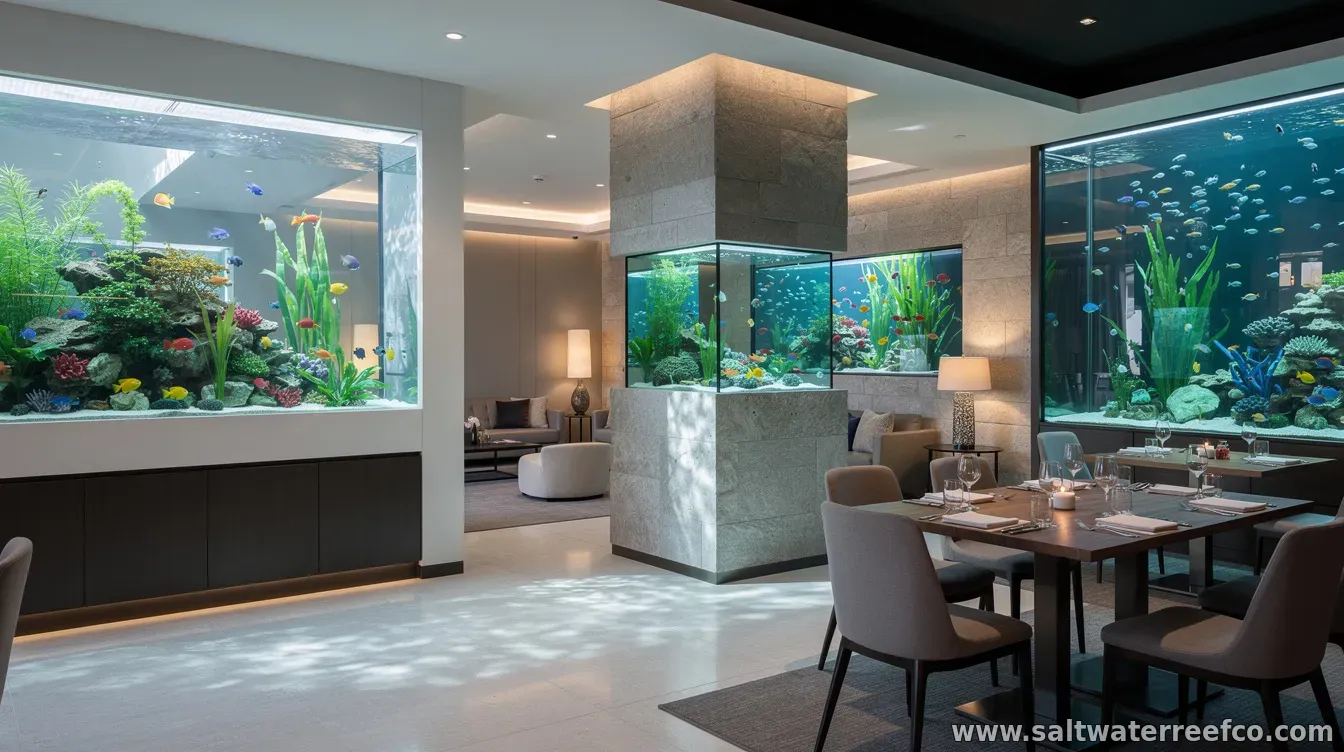
From office lobbies to hotel lounges and restaurant dining rooms, aquariums are shifting from decorative add-ons to experience-focused amenities. When thoughtfully designed, they can reduce perceived stress, add visual “destination” appeal, and create memorable spaces—while also signaling a brand’s commitment to care and quality. Yet commercial installations come with higher expectations and tighter operational constraints than many home setups. The difference is planning: a successful aquarium in a public-facing environment requires the right location, a compatible bio-system, reliable equipment, and a maintenance approach that fits the business’s day-to-day rhythm. 1) Choose the right placement and viewing experienceSite selection is often the biggest determinant of long-term success. High-traffic public areas can create challenges such as accidental impacts, vibration, and difficult lighting conditions. Before installation, operators typically assess wall strength, floor load capacity, sightline placement, and how the tank will be accessed for service. Lighting matters as well. Aquariums generally need controlled illumination to support fish health and maintain clear visibility for guests—without causing glare, overheating, or inconsistent day/night rhythms. 2) Match species to the business environmentCommercial aquariums must balance aesthetics with practicality. Species selection should consider water temperature stability, compatibility (especially for mixed displays), feeding schedules, and the ability of the system to handle routine operational variability. Many businesses opt for hardy, visually engaging fish and stable reef or freshwater setups tailored to the space’s operating conditions. The goal is a display that looks great while staying resilient against common issues such as equipment wear, power fluctuations, or minor service delays. 3) Plan equipment redundancy and water safetyIn public venues, system reliability is non-negotiable. Proper filtration, heating/cooling (as needed), circulation, and filtration media selection help maintain water quality consistently. Just as important are safeguards: leak containment, secure tank anchoring, and backup power solutions when power interruptions could threaten the display. Operators should also account for water testing and compliance expectations that may apply to hospitality and dining environments. A robust monitoring schedule reduces the risk of visible problems like cloudy water, algae blooms, or stress-related behavior changes. 4) Budget for maintenance—not just installationThe biggest long-term cost is usually ongoing care. Even well-designed systems require routine tasks such as water testing, filter maintenance, algae control, and periodic checks of temperature, pumps, and lifelines. In many commercial environments, maintenance is best handled by trained aquarium service providers to ensure consistent quality and to minimize disruption to operations. Businesses also need to plan around staffing patterns. For example, restaurants may prefer service windows aligned with off-peak hours, while hotels might require guest-impact minimization—especially if the aquarium sits in a lobby or near check-in desks. Additionally, operators should consider contingency planning: what happens if a component fails, if a delivery is delayed, or if a tank needs temporary partial restocking? Clear service protocols protect both the animal welfare and the guest experience. Design choices that elevate impactBeyond technical requirements, the aquarium should feel integrated with the space. Options include built-in displays, wall-mounted concepts for smaller footprints, or multi-view designs that encourage guests to linger. Color palette compatibility—matching lighting tones to interior décor—can significantly affect how the aquarium is perceived from different angles. For offices, placing an aquarium near collaborative areas can create a calmer atmosphere without requiring significant guest interaction. In hotels, destination-style displays can serve as photo-worthy focal points. In restaurants, aquariums can complement ambiance, but they should be positioned so they don’t compete with kitchen logistics, heat sources, or sightlines to menus and service stations. What success looks like after opening dayA great commercial aquarium is less about one-time installation and more about consistent performance. Over the first weeks, systems typically stabilize as biological filtration matures. After that, recurring maintenance helps keep water parameters steady and the display looking intentional rather than improvised. For businesses evaluating a new aquarium, the best next step is to pair an architectural or interior plan with a service-ready technical proposal—one that outlines equipment, species compatibility, monitoring frequency, service access, and a realistic maintenance schedule. | |
|
| |
Next & Previous posts