1:03 AM Designing Reef Tanks for Commercial Spaces: Offices, Restaurants | |
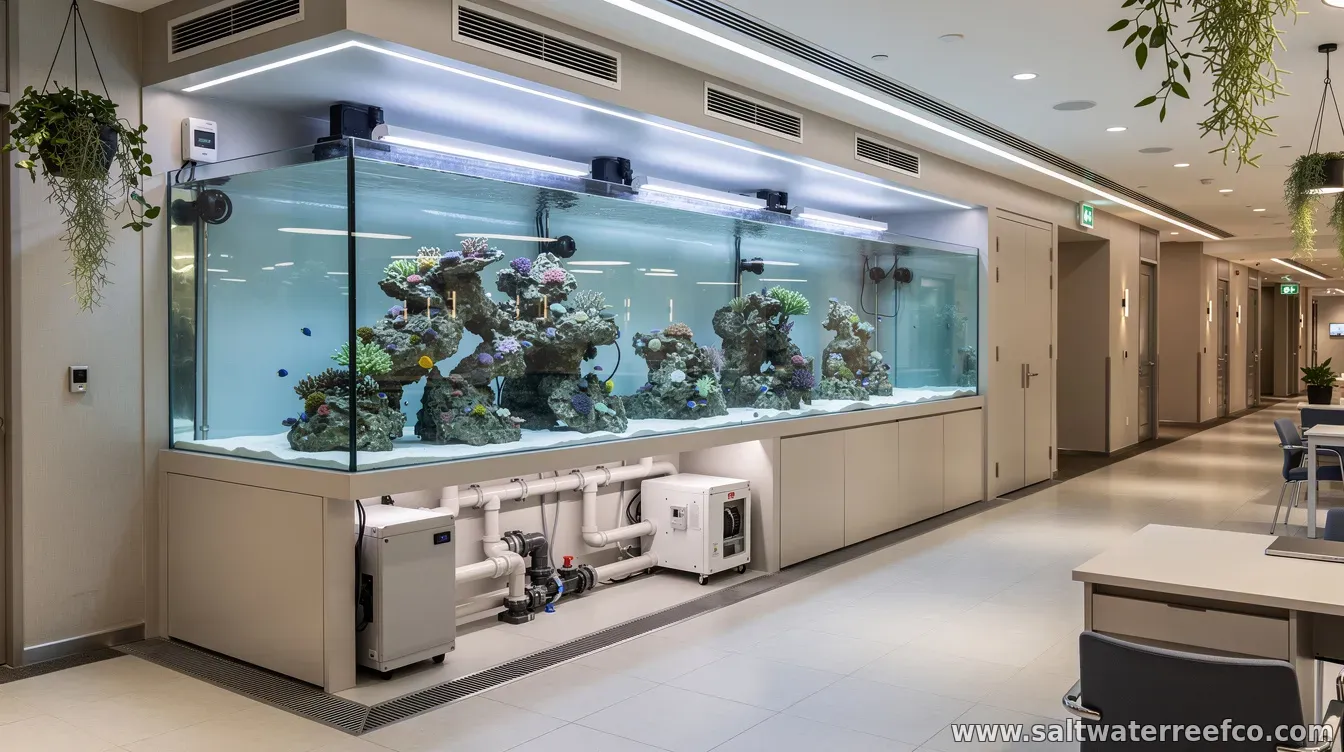
Commercial spaces increasingly use reef aquariums as architectural features—creating calm, memorable environments for guests and employees. But compared with a home setup, a public-facing tank demands higher reliability, tighter safety planning, and a maintenance approach that can survive weekends, holidays, and peak business days. The best commercial reef tank designs start with constraints: building access, power capacity, water chemistry targets, noise tolerance, and how close the aquarium is to foot traffic. A tank that looks stunning on day one can become a liability if plumbing routing, drainage, heat management, or viewing angles weren’t engineered for everyday operations. Choose the right tank concept for the venueNot every commercial space benefits from the same reef format. Smaller, minimalist “gallery” tanks can work in lobbies and hallways, while larger viewing walls make sense in restaurants and hotels where guests linger. Designers must match tank footprint, glass thickness, and equipment sizing to expected occupancy and viewing distances—plus decide early whether the goal is a living coral display, a hardier reef ecosystem, or a hybrid with easier-care inhabitants. Plan for safety, durability, and risk managementBecause these installations are near people and costly interiors, engineering-grade safeguards are essential. Consider tempered or laminated glass, reinforced stands, secure anchoring, and leak-detection or containment measures tied into facility maintenance workflows. Water splash and condensation management matters just as much as tank water: lighting heat, humidity, and HVAC interaction can affect both coral health and building finishes. Electrical design is equally critical. Use properly rated GFCI protection where applicable, weatherproof enclosures for pumps and controls, and clear separation between low-voltage systems and public areas. Noise control—especially from return pumps, protein skimmers, and fans—should be treated as a design requirement rather than an afterthought. Build a filtration strategy that can run with minimal frictionCommercial reef systems need steady biological filtration and stable water chemistry. Designers typically use a combination of mechanical filtration, robust biological media, and protein skimming where appropriate, supported by predictable flow patterns to reduce dead zones. In public spaces, redundancy and automation can be a decisive advantage: stable temperature control, monitored salinity, and automatic top-off reduce day-to-day variability. Lighting is another major design variable. Reef-appropriate LED systems with programmable schedules can support coral growth while limiting excess heat and glare for nearby diners or staff. Designers should also plan for lightning-fast adjustments when coral transitions occur—without disrupting the business environment. Design for the visitor experience, not just the aquariumFor offices, reef tanks can serve as wellness-oriented visual breaks, but viewing should be comfortable—at desk height or along walkways—without distracting glare or reflections. Restaurants and hotels should consider how the tank’s placement complements interior lighting, signage, and dining flow. Clear sightlines, anti-fingerprint surfaces, and thoughtful aquascape placement (including safe viewing distances) help ensure the display remains “wow-worthy” for years. Maintenance access is also part of guest experience. Equipment should be serviceable behind panels with practical access routes, so technicians can swap filters, adjust reactors, and inspect plumbing without disrupting operations. The best commercial designs look clean because maintenance was designed in from the start. Operations: staffing, schedules, and contingency plansEven the most advanced system requires consistent care. A commercial reef should include documented water testing routines, feed management, and coral monitoring tied to a service schedule. Many venues choose a hybrid approach: in-house staff handles routine checks and observations, while specialized aquarium technicians cover deeper maintenance tasks and troubleshooting. Contingency planning is non-negotiable. Power failures, pump malfunctions, salt mix delivery delays, and holiday staffing gaps should have predefined responses. Temperature and salinity monitoring can trigger alerts so corrective actions begin before a minor issue becomes a major one. Finally, budgets should include ongoing consumables—test kits, replacement media, salt, carbon, and occasional livestock additions—along with depreciation planning for major components. When commercial reef tank design treats operations as part of the product, the aquarium becomes a dependable brand asset rather than a seasonal experiment. For offices, restaurants, and hotels, a reef tank can deliver aesthetic value and emotional impact—but only when the engineering, safety, and maintenance plan are equal partners in the design process. With the right system concept and operational model, a commercial reef can thrive while quietly supporting the experience your space is designed to deliver. | |
|
| |
Next & Previous posts